McCauley 1A135/BRM7150: FRA150L and FRA150M Applications
The 1A135/BRM7150 application belongs in the O-240-powered Reims Aerobat research path. the table contains separate FRA150L and FRA150M records. It should not be merged with the O-200-powered FA150 applications or the OCM propeller used on other 150 variants.


Start with the exact designation
The full application designation identifies more than the general McCauley manufacturer or a basic propeller family. Keep it attached to the engine pairing, aircraft model, diameter limits, static-rpm fields and notes. A shortened description on an invoice can leave uncertainty about the actual installation.
| Aircraft Model | Model Year / Config | Engine | Exact Propeller Application | Max Dia | Min Dia | Static Min | Static Max | Notes | Primary Authority |
|---|---|---|---|---|---|---|---|---|---|
| FRA150L | FRA configuration | O-240-A | 1A135/BRM7150 | 71 | 70 | 2400 | 2500 | 130 hp Reims Aerobat configuration. | [1] |
| FRA150M | FRA configuration | O-240-A / O-240-E | 1A135/BRM7150 | 71 | 70 | 2400 | 2500 | O-240-E noted for FA00262 and up in MAG; A13EU controls eligibility. | [1] |
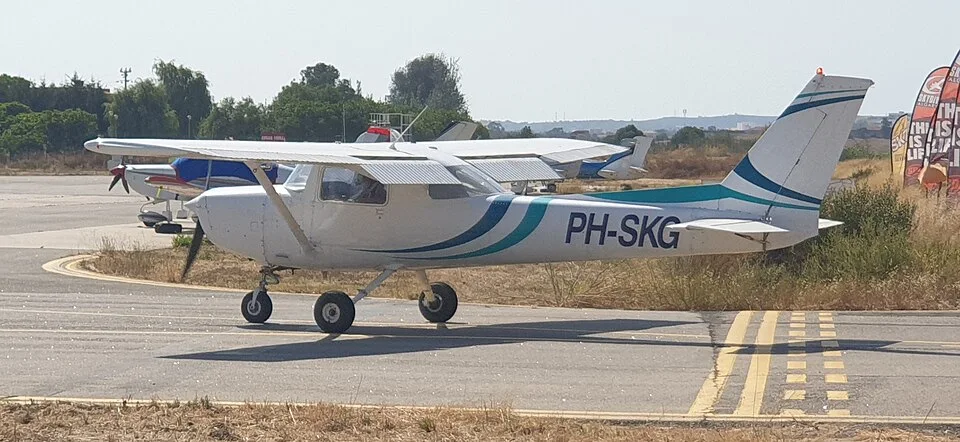

Engine and airframe scope
The O-240 reference distinguishes the O-240-A and O-240-E contexts. The application table preserves the source's pairing wording rather than assigning either engine to every FRA150. The Reims model guide provides the larger identity context.
A certified application is evidence of eligibility under its conditions. It does not prove that a particular aircraft currently carries this propeller, nor does it establish the condition of its blades or hub. Confirm the installed identification and the records supporting the installation and subsequent work.
Practical ownership questions
For a prebuy, request propeller identification, maintenance and repair history, and the applicable installation evidence. Have the inspecting mechanic assess any discrepancy using the correct controlled information. Published diameter or static-rpm limits should not be used as a do-it-yourself alteration procedure.
This narrow reference answers the BRM application question without importing U.S. 150 or 152 limits. It also avoids claiming present parts availability or support status from historical documentation. If replacement or overhaul options are needed, that is a separate current-market investigation tied to the exact propeller and aircraft configuration.
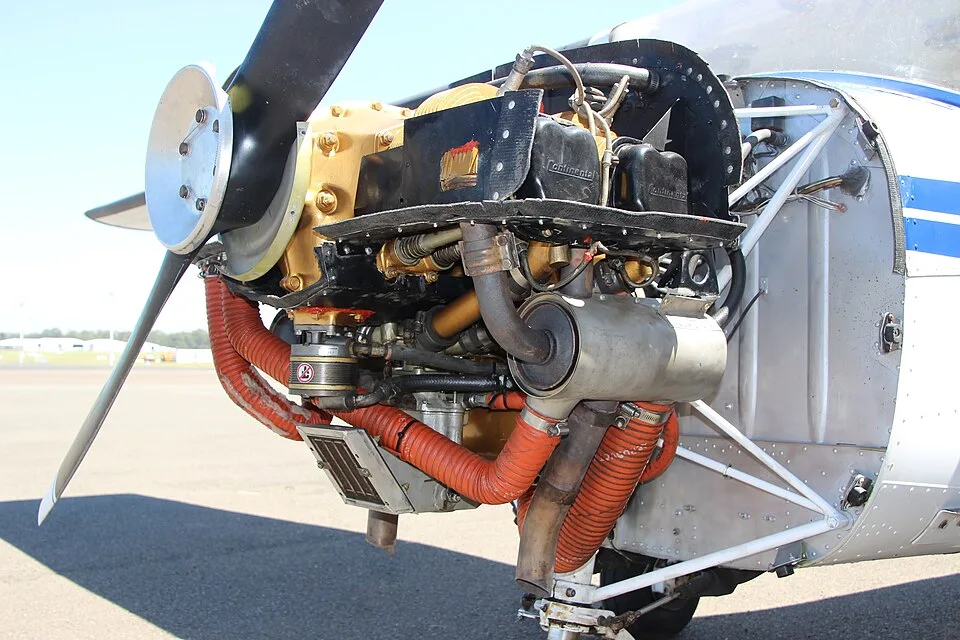

Reading the two model rows
The FRA150L and FRA150M entries remain separate even where some limits coincide. Their engine and configuration wording is part of the application evidence. Combining identical-looking values into a single unrestricted FRA150 specification would discard those qualifications. Retain the row associated with the exact legal model when assembling a component research file, and resolve any remaining installation uncertainty from the aircraft records.
Use the application fields together
The static-RPM guide explains why the range belongs with the BRM designation, engine pairing and aircraft row. Keep those fields together when comparing a maintenance note with this reference. A range quoted from another McCauley application cannot resolve an FRA150 installation question by itself.
The aircraft’s actual propeller and configuration evidence remain necessary. No measurement or present condition is inferred from the two historical model rows on this page.