Cessna 150 and 152 AD Research: Aircraft, Components and Compliance Evidence
Cessna 150 and 152 airworthiness-directive research starts with aircraft identity and installed equipment, then follows the applicable directive and revision into the work records. This hub directs that research across the two families. Its linked historical records do not determine current compliance for an individual aircraft.
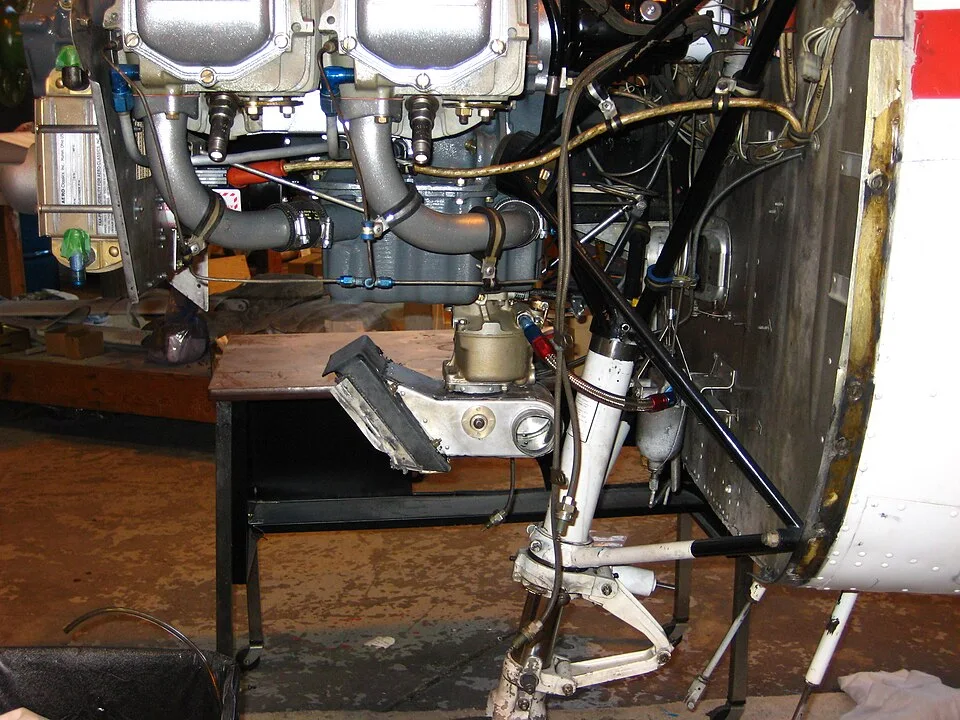

Aircraft and component applicability
Some directives name aircraft models and serial groups. Others depend on an installed propeller, engine accessory or modification. The seat-system directive and TCM propeller directive illustrate different paths into the research.
Fuel-system subjects
The venting directive and strainer standpipe directive concern different parts of the fuel system. A generic fuel-system inspection statement should not be treated as evidence for every directive affecting a component in that system.
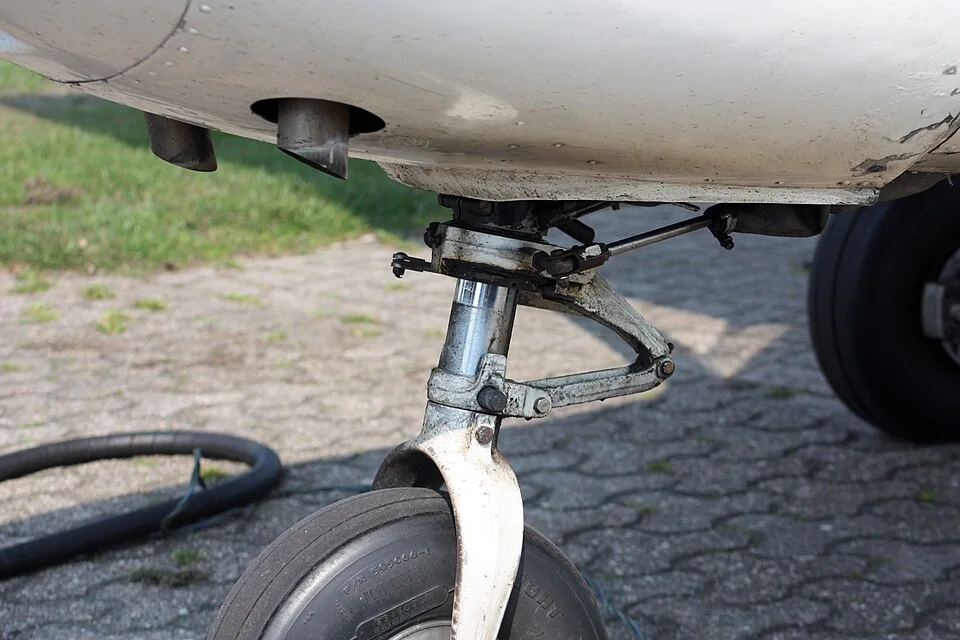

Read the status date and revision
The records retain the date of the source snapshot. That date is not a guarantee that no later authority action exists. Revision suffixes, supersession and recurring or event-driven conditions must be checked against the current controlling publication before compliance decisions are made.
The 150 directive reference and 152 directive reference preserve the larger collections. Reims and U.S. applicability should be resolved from explicit source evidence, not inferred from a shared marketing family.
Records and qualified review
The logbook guide helps organize claimed actions and unresolved evidence. The known-issues hub distinguishes directives from advisories and OEM programs. These guides explain applicability; use the controlling directive for required actions and methods. Use the controlling authority information and aircraft-specific records for the actual determination.
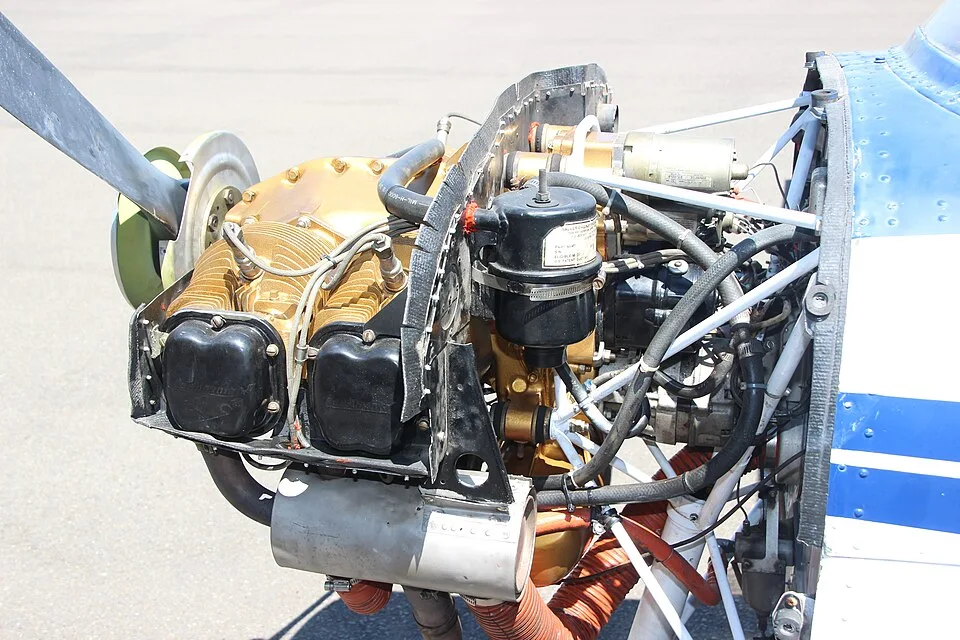

A Publication Reference Does Not Establish Compliance
Match the directive to the aircraft’s exact model, installed equipment and modification history. Then connect its required actions to the maintenance entries and continuing-status records. A publication reference helps identify the requirement; compliance depends on the aircraft-specific records and any applicable recurring obligations.
Three additional references distinguish flap cable clamps under AD 80-06-03, early 152 exhaust under AD 79-02-06 and Reims stabilizer nutplates under EASA AD 2006-0267. Each requires its own model, serial and installation context.
Find the requirement before summarizing its status
The AD and service-bulletin guide distinguishes enforceable directives, incorporated instructions and safety advisories. For French-built aircraft, the Reims authority guide adds registration and historical product-authority questions. Keep those relationships visible before interpreting a family-wide search result.
Two focused examples show different applicability paths: AD 97-01-13 follows a historical replacement-hose window, while AD 2026-17-10 follows Lycoming engine serials and installed piston-pin evidence. Neither can be evaluated from the aircraft’s marketing name alone.
Explore this topic
- AD 2011-10-09: Cessna Seat Rails, Rollers and Locking Pins - Understand the seat-system AD scope, repetitive inspection context, model-list boundaries and related structural corrosion research.
- AD 2010-04-05: McCauley 1A103/TCM Propeller Hub Cracks - Research installed-propeller applicability, recurring hub inspections and recorded supersession without implying aircraft compliance.
- AD 79-10-14 R1: Cessna 150 and A150 Fuel Tank Venting - Read the recorded venting directive scope, revision identity and compliance-research boundaries for affected U.S. aircraft.
- AD 2000-06-01: Cessna Fuel Strainer Standpipe Research - Understand the standpipe directive and why exact model, installed component and maintenance records govern applicability research.
- AD 80-06-03: Cessna 150M and 152 Flap Cable Clamps - Review the retained flap cable-clamp serial groups, including the special A1500433 identity, without inferring compliance.
- EASA AD 2006-0267: Reims Stabilizer Attachment Nutplates - Understand the Reims model and serial scope, prior French AD relationship and nutplate replacement condition recorded for EASA AD 2006-0267.
- AD 79-02-06: Early Cessna 152 and A152 Exhaust Systems - Research early 152/A152 original-equipment exhaust applicability, KMR muffler context and the predecessor AD.
- AD 2009-10-09 R2: Cessna and Reims Rudder-Stop Research - Read the corrected rudder-stop AD with exact model and serial exceptions, Reims kit conditions, revision history and separate compliance evidence.
- AD 2026-17-10: Lycoming O-235 Piston-Pin Applicability - Read the engine, serial and LW-13445 piston-pin conditions in FAA AD 2026-17-10, effective 14 September 2026, with its exact service-document references.
- AD 97-01-13: Cessna S51-10 Replacement-Hose Research - Follow the replacement window, reinforcement-wrap condition and record checks in FAA AD 97-01-13 without treating every Cessna hose as defective.