Cessna 150 and 152 Engines: Factory Ratings and Conversion Evidence
Cessna 150 and 152 engine research follows three main paths: the O-200-A in the standard 150 family, the O-235-L2C/N2C in the 152 family, and the O-240-A/E in the higher-power Reims FRA150 branch. Compare the exact aircraft installation and rating before using a manufacturer engine figure. The factory application does not identify the engine installed today.
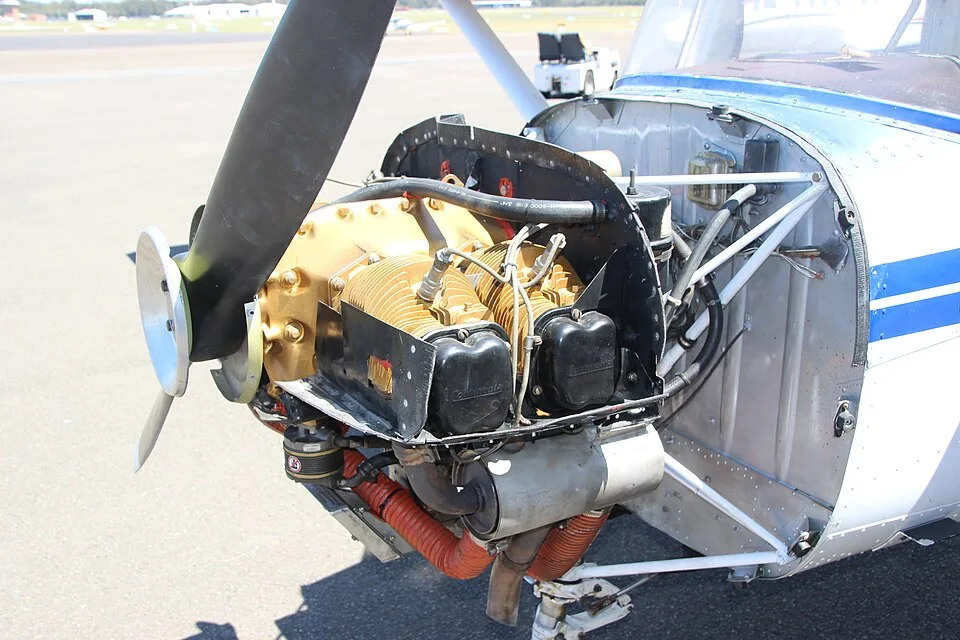

Factory engine paths
The Continental O-200-A reference covers its recorded 150-family applications. The O-235-L2C and O-235-N2C references distinguish the 152 variants. The O-240 reference preserves the Reims FRA150 context.
Compare the correct rating
The L2C-versus-N2C comparison separates aircraft-installed power from engine-rated power. Retain the rpm and approval context whenever horsepower is quoted. A larger standalone engine figure should not replace a lower aircraft installation rating.
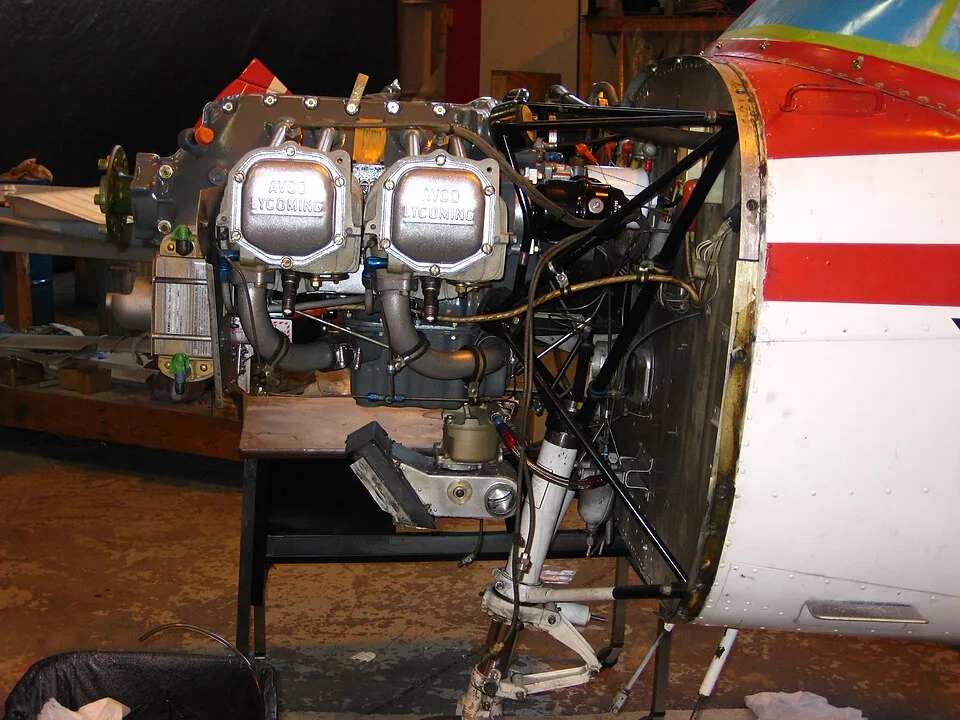

Modified installations
The conversion guide distinguishes approval records from descriptive listings and advertisements. A conversion changes the research required for the engine, propeller, supplements and weight-and-balance information. It does not erase the aircraft's legal model identity.
Buying and maintenance questions
Use the engine-time guide to interpret the history behind time claims. Use the propeller hub to identify the paired application. Neither eligibility nor a low time figure establishes physical condition.
The 150 engine reference and 152 engine reference retain family-level tables. This hub deliberately makes no universal overhaul interval, current parts-price claim or prediction of an individual engine's remaining life. Those questions need exact, reliable evidence beyond the installation relationships summarized here.
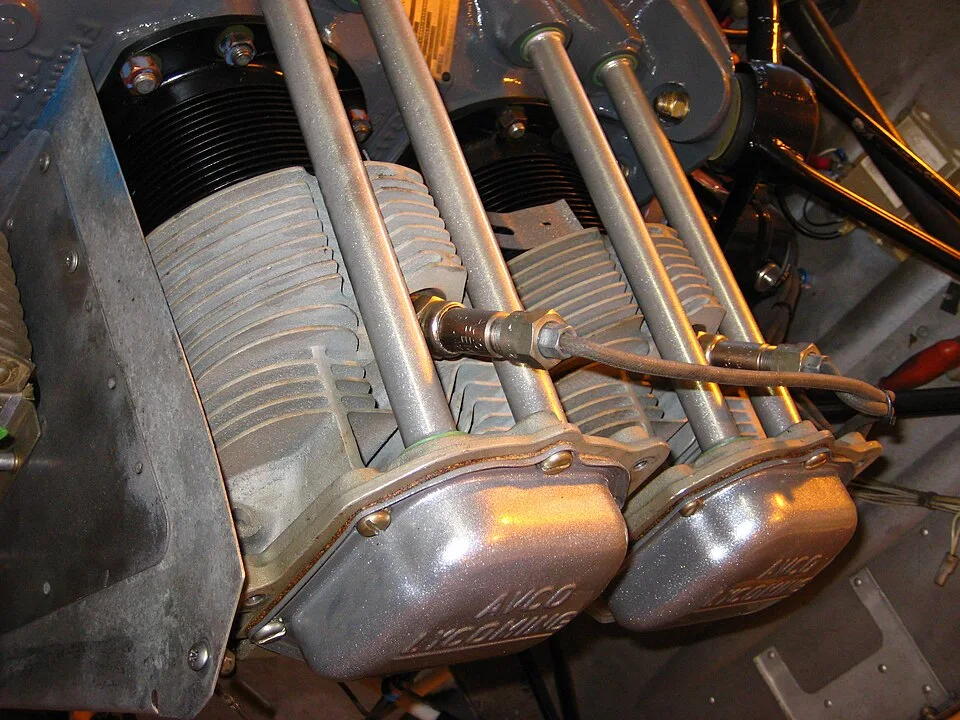

Connect the Engine and Aircraft Records
For a specific aircraft, connect the engine identification with its installation record, the legal airframe identity, the propeller application and any modification approval. Then examine the maintenance history and current assessment. A correct application does not establish condition, and a maintenance entry does not automatically establish the approval basis of a conversion. Overhaul guidance also needs the exact engine, applicable manufacturer instruction and its conditions. Separate the recommended interval from installed-component requirements and the aircraft’s controlling maintenance obligations. Check component-specific directives as well as the engine model.
Explore this topic
- Continental O-200-A: Cessna 150 Installation and Engine Reference - Compare the 100 hp O-200-A rating, exact Cessna and Reims installation ranges, propeller applications and configuration evidence.
- Rolls-Royce / Continental O-240-A and O-240-E in Reims Aerobats - Understand FRA150 engine eligibility, the O-240-E takeoff and continuous limits, conversion conditions and the BRM propeller application.
- Lycoming O-235-L2C: Cessna 152 Power and Installation Limits - Separate the 110 hp Cessna installation from the O-235-L2C engine rating; research early U.S. and Reims serial groups and propeller context.
- Lycoming O-235-N2C: 108 hp Cessna 152 Installation and Effectivity - Research N2C installation limits, U.S. and Reims serial boundaries, approved rework and the difference from the earlier O-235-L2C.
- Cessna 150 and 152 Engine Conversions: Approval and Configuration Research - Compare the evidence behind recorded conversion paths without treating advertisements, engine listings or eligibility as installation approval.
- Lycoming O-235-L2C vs O-235-N2C: Cessna 152 Ratings and Applicability - Compare installed ratings, engine ratings and serial or approved-rework boundaries for the two factory 152 engine variants.
- Cessna 150 and 152 Engine TBO: Model, Calendar Time and Overhaul Evidence - Read O-200 and O-235 overhaul references with exact engine identity, Lycoming SI 1009BF qualifications and separate calendar-time evidence.
- Cessna 152 Lycoming Propeller-Strike Records: Engine and Propeller Evidence - Understand the event definitions in Lycoming AD 2004-10-14 and why propeller repair paperwork alone does not establish the engine work performed.
- Cessna 150/152 Cylinder Work: Reading the Engine Records - Distinguish cylinder work from engine overhaul, and connect installed parts, supporting release documents and subsequent engine status.
- Continental O-200 vs Lycoming O-235 in the Cessna 150 and 152 - Compare the Cessna 150 O-200-A with the 152 O-235-L2C and N2C: aircraft ratings, installation identity, maintenance evidence and conversion boundaries.