Cessna 150 and 152 Prebuy: Structure, Systems and Configuration Evidence
A Cessna 150 or 152 prebuy should be built around the actual model, serial, installed equipment and records. The family contains early manual-flap aircraft, later electric-flap generations, different engine installations, standard and Aerobat categories, and French or Argentine identity relationships. A checklist that treats every issue as universal loses the distinctions needed to investigate the aircraft properly.
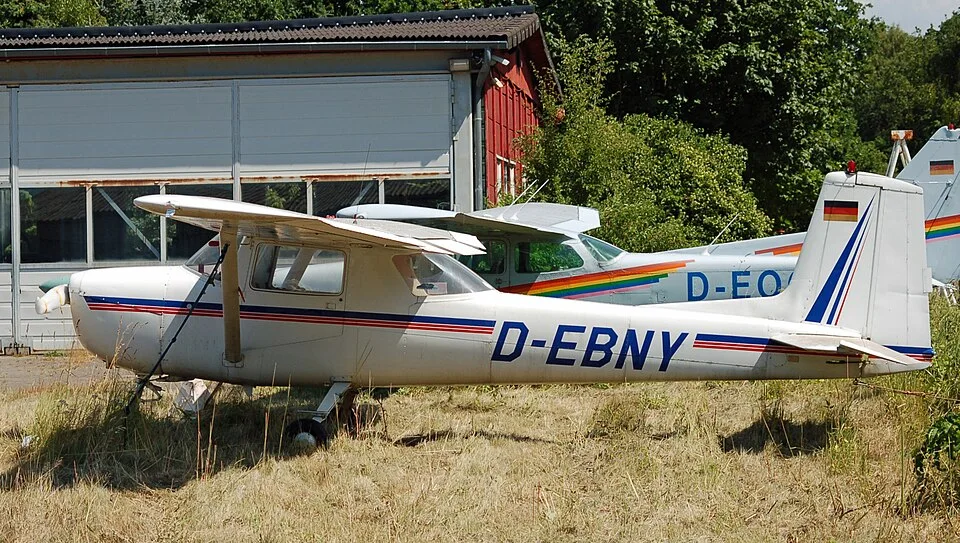

Focused references can help turn a general concern into a specific records question: seat locking and supporting structure, structural corrosion areas, flap architecture and aircraft-specific useful load. Keep each subject’s source scope with the question.
This guide organizes recorded concerns for a buyer and the inspecting professional. It is a research scope, not a substitute for inspection instructions or a determination of airworthiness. The buying guide covers aircraft selection; the family 150 known-issues and 152 known-issues references retain the detailed source conditions.
Identity, Records and the Inspection Starting Point
Confirm the full legal model and serial before selecting the applicable maintenance and operating documents. Use the model directory to separate U.S., Reims, Argentine and Aerobat identities. Keep special serial assignments and FA/FRA kit conditions visible. An aircraft advertised with a year and a broad family name may require more precise identity work before a technical comparison is possible.
Gather the engine and propeller identification, alteration records, current equipment/weight-and-balance evidence and the applicable handbook/AFM with supplements. Identify discrepancies between the records and fitted hardware. A factory serial range may establish original eligibility, but it cannot establish a replacement engine, an installed tank option or the complete history of structural work.
Seat Rails, Locking and Supporting Structure
The seat-rail locking/wear concern and seat-support structural corrosion are separate topics. The recorded locking issue describes rail holes, rollers, housings, pins and springs whose wear or damage can permit unwanted seat movement. Its AD applicability must be established from the named models and directive, rather than assuming every original 150 identity is covered by the same wording.
Supporting structure needs its own corrosion and repair enquiry. A satisfactory locking check is not evidence that the underlying structure is sound, and an apparently clean rail is not proof that the specified dimensions or engagement meet the controlling limits. Ask for the applicable inspection evidence and repetitive-compliance history rather than treating a generic logbook phrase as a complete finding.
| Title | Affected Scope | Detection / Prebuy Clues | Legal / OEM Status | Reference |
|---|---|---|---|---|
| Seat rail, locking pin and roller wear | Cessna 150A-M, A150, A-150/A-A150, Reims F/FA/FRA150, 152/A152/F152/FA152; all serials in AD applicability. | AD inspection of rail holes, dirt/debris, roller/housing/tang dimensions, lock-pin engagement and springs; review repetitive compliance records. | FAA AD - mandatory | [1] |
| Aft vertical-fin attachment fitting cracking | 150/152, A150/A152 and Reims variants produced 1966-1986 per FAA SAIB CE-16-03. | Review SID/service-history; inspect aft fin attachment fitting/structure per applicable SID. | FAA SAIB - informational/recommended | [2] |
| Rudder-stop modification structure corrosion/damage | 150F-M/A150K-M/F/FA/FRA150 and 152/A152/F152/FA152 only when SK152-24B/25B or earlier is installed. | Confirm kit/revision installed; inspect structure and rudder horn area per SEB01-1 R2 / SEL-27-02 R1. | FAA SAIB - informational/recommended | [3] |
| Carry-through and interior structural corrosion | SID-covered 150-series (1969-77 family) and 152-series/Reims family; corrosion environment changes intervals. | Inspect SID/CPCP status and structural areas; look for corrosion level, prior blend/repair, moisture history. | OEM SID/CPCP - maintenance program | [4] |
| Wing root rib corrosion | SID-covered 150/152 families. | Inspect SID history and wing-root area; assess corrosion severity and prior repairs. | OEM SID/CPCP | [4] |
| Nose gear fork cracking | Affected Cessna 150-series earlier nose-gear fork/configuration and time-in-service conditions. | Verify fork P/N/configuration and AD compliance; inspect/NDT as required. | FAA AD - mandatory | [5] |
Corrosion, Fin and Tail Attachments
The issue evidence distinguishes carry-through/interior corrosion, wing-root ribs, wing/strut attachments, gear structure and empennage components. Exposure, repairs and the actual inspection findings matter; the model name alone does not establish current condition. The appropriate source instructions and access requirements should guide the inspecting professional's scope.
The aft vertical-fin attachment advisory context explicitly refers to the 1966-1986 affected family. That year-qualified lead should not be copied unconditionally to an earlier straight-tail aircraft. Elevator-attachment hardware, rudder spar/horn issues and fin fittings also describe different assemblies. Grouping all of them under "tail checked" would discard useful distinctions about the part, failure mode and source status.
Rudder-stop modification structure adds another condition: the relevant installed modification and its surrounding structure must be identified. A modification approval does not prove that the structure remains free of corrosion or damage. Preserve the relationship between the actual kit, inspection evidence and applicable document revision.
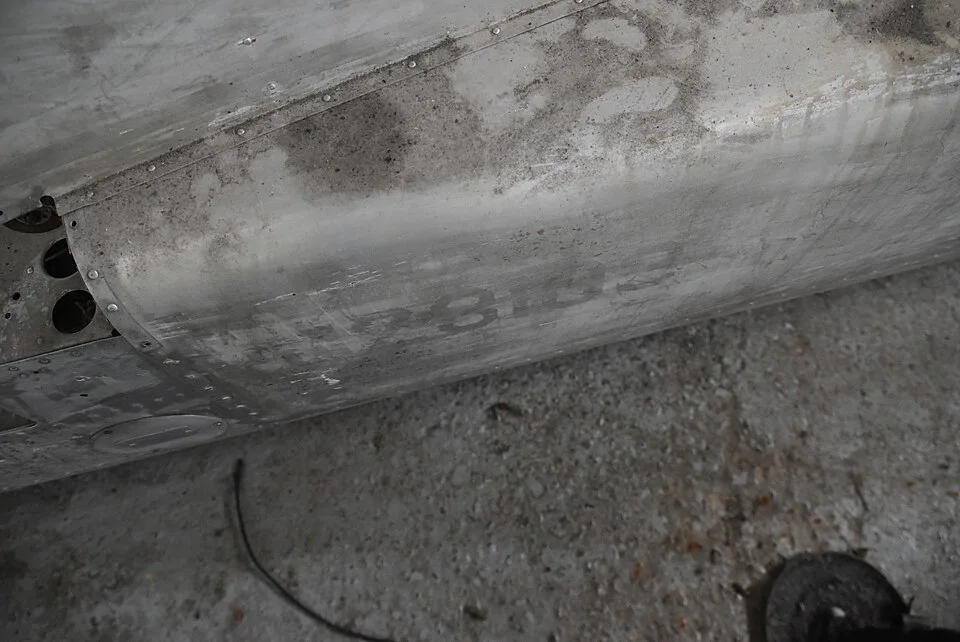

Nose Gear, Flaps and Production Breakpoints
The 150D source records optional heavy-duty nose-gear eligibility from 15060477; it does not say every later D has that equipment. Other nose-gear and wheel issues likewise require component identification and their stated effectivity. For the multi-year 150L, the wheel and cabin/electrical breakpoints are more precise than a general L-model description.
Early 150s use manual flaps, while 150F introduces electric flaps with narrower relay/motor boundaries. Later 150 and 152 actuator issues are not the same entry: the source separately identifies the 150/A150 ball-nut concern and the 152-family travel-stop concern. The inspecting professional should establish the actual actuator, related hardware and controlling inspection/maintenance information before treating a family label as a parts match.
| Title | Affected Scope | Conditional Applicability Rule | Detection / Prebuy Clues | Legal / OEM Status | Reference |
|---|---|---|---|---|---|
| Flap jack screw wear, contamination and lubrication | 150F/G/H/J/K/L and A150K/L specified serials; Reims F150/FA150 ranges per AD. | None | Verify recurring AD compliance, jack-screw condition/lubrication and snubber modification. | FAA AD - mandatory | [1] |
| Early 150 exhaust cabin-heat exchanger leakage/cracking | Model 150 series S/N 17001-15061328 with affected right-hand exchanger. | None | Review modification/AD status; inspect exchanger/exhaust condition and cabin-heat system. | FAA AD - mandatory | [2] |
| Fuel tank venting / vented cap configuration | Specified U.S. 150/A150 serial groups through 1975 production per AD 79-10-14 R1. | None | Verify approved vented cap/vent configuration and AD terminating action; inspect vent tube/cap condition. | FAA AD - mandatory | [3] |
| Fuel strainer standpipe / top assembly fuel-starvation risk | All serials of listed 150F-M, A150K-M, Argentine/Reims equivalents and 152 family in AD. | None | Verify AD 2000-06-01 compliance and strainer/top assembly configuration. | FAA AD - mandatory | [4] |
| 150/A150 flap actuator ball-nut assembly | Specific 150/A150 serial combinations in AD 77-02-09. | None | Check actuator date code/part records and AD terminating replacement. | FAA AD - mandatory | [5] |
| Higher-power engine conversion W&B/CG | Early 150/150A/B/C listed serials only if modified with engine larger/higher-powered than O-200-A. | Eligible early serial + higher-power engine modification installed | Verify engine conversion approval, actual W&B/equipment list and placards. | FAA AD - mandatory conditional | [6] |
| 152 muffler/exhaust clearance and cracking | 152 S/N 15279406-15282919; A152 S/N A1520735-A1520845 with original-equipment exhaust. | None | Check AD terminating action, muffler type, clearances and inspection history. | FAA AD - mandatory | [7] |
| 152/A152/F152/FA152 flap actuator travel-stop issue | 152 15279406-15284080; A152 0735-0919; F152 01429-01798; FA152 0337-0372. | None | Verify stop-nut/approved actuator installation and AD compliance. | FAA AD - mandatory | [8] |
Fuel, Exhaust and Cabin Heat
Fuel research should distinguish tank capacity, vent/cap configuration, strainer assemblies, hose-specific defects and quantity indication. These are different potential failure paths. A tank label does not establish usable quantity for every configuration, and an indicator reading does not establish that the indication system meets its requirements. Follow the exact installed equipment and the applicable source scope.
The early 150 right-hand exhaust-gas cabin-heat exchanger concern has a specific serial and installed-equipment relationship. The 152 muffler/exhaust clearance and cracking issue is a separate source entry. An altered aircraft may introduce another exhaust configuration, including STC-specific concerns. Cabin-heating research therefore starts with the actual exhaust and heat-exchanger installation rather than applying one family's description to every aircraft.
A portable CO detector can support an owner's equipment planning, but it is not a substitute for establishing exhaust/heater integrity or resolving an applicable defect. No equipment purchase should be presented as a way to avoid the inspection or corrective work required by the aircraft's actual condition and controlling documents.
Engines, Propellers and Altered Configurations
Identify the engine variant and propeller model before researching component directives. The O-235 oil-pump and McCauley hub contexts recorded for the 152 family are conditional component questions, not proof that every 152 carries an affected assembly. The original 150's vacuum-pump/STC example is even narrower. A complete list of family AD titles is not a complete aircraft-specific applicability decision.
Higher-power conversions require the approval, installed components, control arrangements, supplements and revised loading evidence to agree. A relocated battery or modified engine-control installation can create a separate issue from the engine's nominal horsepower. FA-to-FRA identity likewise requires the named kit conditions. The prebuy should resolve these relationships explicitly rather than infer the installation from a model badge or broad conversion description.
AD Evidence and the Prebuy Outcome
The family AD pages preserve the 8 September 2026 source snapshot, including historical/current distinctions and equipment conditions. Current controlling status and actual aircraft compliance must be established for the inspection date. A prior entry may document a particular action without proving that a recurring requirement has ended or that later installation changes are irrelevant.
Record the findings as specific answers: which identity was established, what equipment was identified, which documents controlled the inspection, what condition was found and which questions remain unresolved. Distinguish AD obligations from advisory/OEM research topics and from buyer preferences. The ownership guide then provides a framework for retaining the evidence instead of reducing the prebuy to a single reassuring label.
Target component evidence separately: flap actuators, elevator attachment hardware, fuel indication and Brackett air-filter equipment have different scopes. A general inspection statement may not identify which concern was addressed.
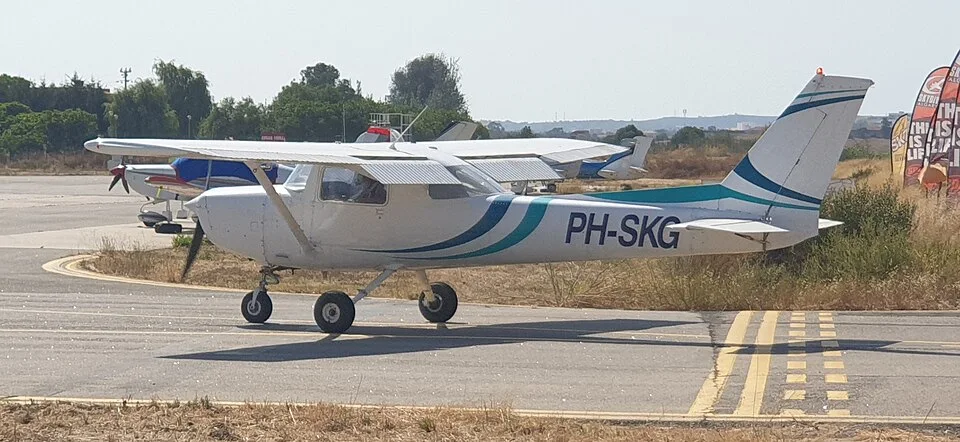

Define the records question before the inspection
A recent inspection entry and a component history answer different questions. Review the annual versus 100-hour distinction and propeller-record trail when agreeing the scope. If modification documents are incomplete, the FAA records guide can identify a separate research task before the physical examination.
Ask for both sides of a repair trail
For a reported propeller impact on a Lycoming installation, use the propeller-strike records guide to separate the propeller repair from the engine work. Ask for the event description and both component records. A recent annual or an undamaged-looking propeller cannot reconstruct the missing event history.
Keep the title review as a separate purchase enquiry. Its findings should be considered alongside the technical inspection without expecting one reviewer or document set to answer both questions. Record unresolved items in terms of the evidence still needed, rather than turning an incomplete file into a positive or negative aircraft conclusion.
Focused research
Define the prebuy scope separately from an annual inspection and carry unresolved airframe-time questions into the agreed research. These are specific evidence requests, not conclusions from the advertisement.
Connect the configuration story with the physical aircraft
Records review and physical examination answer complementary questions. A document may identify an approved change or describe completed work; examination can help establish whether the installed equipment corresponds to that description and what its condition is now. The configuration-history guide explains why an approval number alone cannot join those two answers.
A useful prebuy discussion therefore identifies the exact aircraft, the records available, the proposed inspection scope and the questions that remain unresolved. A recent inspection entry does not automatically answer every purchase question about damage history, loading documents or an older alteration. Those subjects can require different records and different physical checks.
Keep findings tied to the particular airframe and component. A generic reputation for training use, a low advertised engine-time figure or a recognizable paint scheme does not establish the history of the structure underneath. The logbook guide and ownership records discussion help preserve what was established and what still needs an answer, without converting this guide into an aircraft-specific inspection sign-off.