Cessna 150 and 152 Comparisons: Models, Engines and Buying Questions
Cessna 150 and 152 comparisons are most useful when they identify the decision being made: a model-generation difference, a certified identity, an installed engine or the records needed for a purchase. This guide connects the comparisons that have a distinct supported answer. It does not rank every model against every other model or assume that later production is always preferable.

Start with the family or the generation
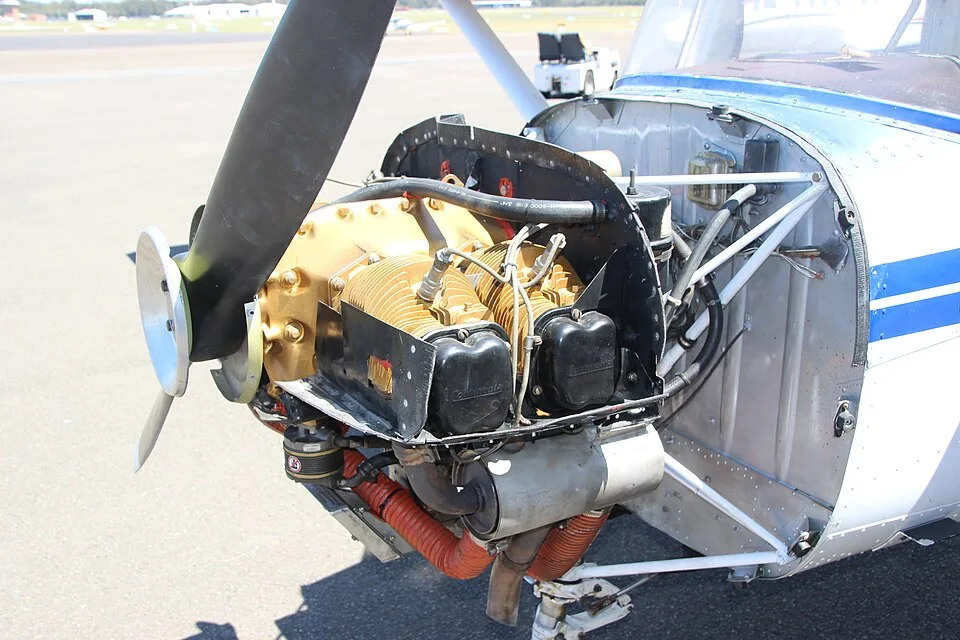
The Cessna 150 versus 152 comparison explains the broad engine, loading, fuel and aircraft-generation differences. For the immediate production transition, use 150M versus 152. Those are complementary questions: the first covers the families, while the second narrows the late-150-to-152 change.
Within the 150 sequence, original 150 versus 150A addresses early serial and landing-gear changes. 150C versus 150D covers the Omni-Vision and loading transition. 150E versus 150F explains the swept-tail and electric-flap redesign, and 150F versus 150G separates that redesign from later charging-system and cabin refinements.
For later aircraft, 150K versus 150L examines landing-gear generation and multiple L model years. 150L versus 150M follows the subsequent transition. Minor adjacent-year differences remain in the model directory where a separate comparison would repeat the same answer.

Category and origin need their own questions
The 150K versus A150K comparison explains how a common engine and year can coexist with separate standard and Aerobat identities. 152 versus A152 adds distinct engine effectivity and exceptional serials. Neither page supplies a maneuver approval from the category name alone.
For French-built aircraft, F152 versus Cessna 152 focuses on manuals, serial boundaries and modification research. F150L versus FRA150L distinguishes the standard O-200 path from the O-240 Aerobat configuration. Keep exact Reims names throughout the enquiry; shared ancestry does not establish identical approval or performance evidence.

Compare an installation or a buying process
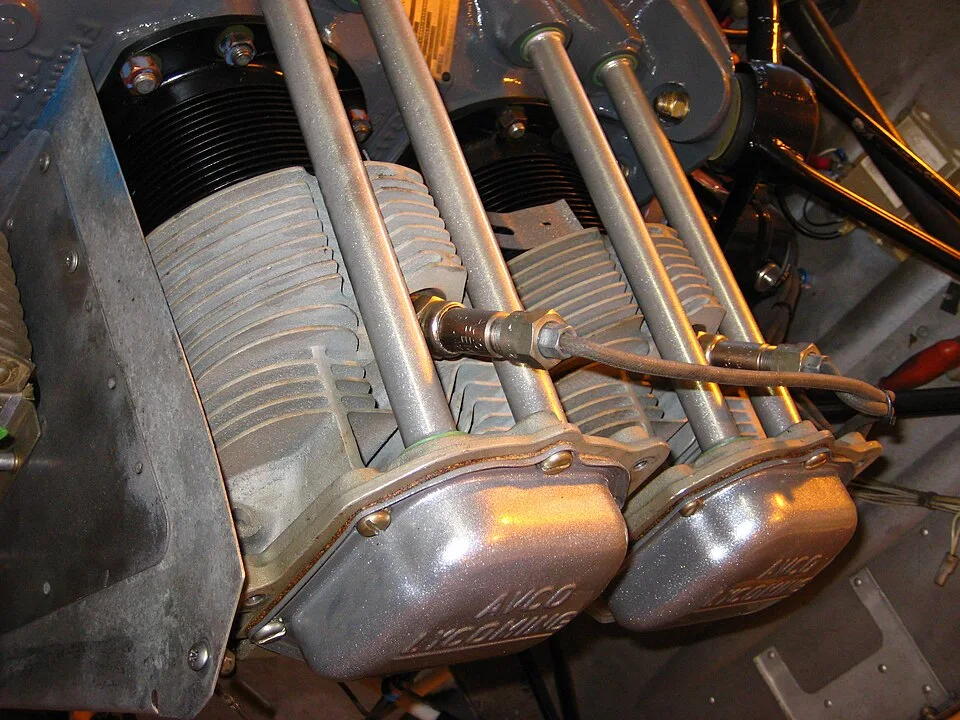
The O-200 versus O-235 comparison connects engine ratings with aircraft installation and maintenance records. The narrower L2C versus N2C guide keeps the two Lycoming variants distinct. Propeller questions are organized by real applications in the GCM/HCM/PCM reference, rather than by unrelated model-name pairings.
A buyer deciding what evidence to commission can start with prebuy versus annual inspection. For carrying capacity, use the useful-load guide and the aircraft's own loading records. Published dimensions, fuel and performance figures retain their conditions in the relevant technical guides; this directory does not turn unlike configurations into a numerical league table.
Explore this topic
- Cessna 150 vs 152: Engines, Useful Load, Fuel and Ownership - Compare Cessna 150 and 152 engines, certified weights, fuel, flaps and condition-preserved performance, with practical aircraft-buying distinctions.
- Cessna 150L vs 150M: Model Years, Dimensions and Aircraft Records - Compare the late 150 generations using year-specific evidence and avoid treating every 150L or 150M as one identical configuration.
- Cessna 150M vs 152: Engine, Fuel and Weight Transition - Compare the final 150 generation with the standard 152 while retaining engine variants, usable fuel and aircraft-specific loading limits.
- Cessna 150C vs 150D: Rear Window, Weight and Baggage Changes - Understand the 150C-to-150D transition using generation history, certified loading groups and baggage evidence.
- Cessna 150E vs 150F: Swept Tail, Electric Flaps and System Changes - Compare the 150E and 150F redesign, including flap architecture, stall warning and serial-dependent electric-flap details.
- Cessna 150 vs 150A: Early Models, Gear Changes and Serial Identity - Compare the original 1959-1960 Cessna 150 with the 1961 150A: early serial formats, cabin and landing-gear changes, and records to check.
- Cessna 150F vs 150G: Alternator, Cabin and Configuration Changes - Understand the 1966 150F and 1967 150G differences, including alternator and cabin changes, electric-flap effectivity and the G serial exception.
- Cessna 150K vs 150L: Landing Gear, Propellers and Model Years - Compare the 1970 Cessna 150K with the 1971-1974 150L, preserving tubular-gear development, propeller applications and serial-specific changes.
- Cessna 152 vs A152 Aerobat: Category, Engines and Identity - Compare the standard Cessna 152 and A152 Aerobat, including certification identity, exact engine transitions, exceptional serials and buying records.
- Cessna 150K vs A150K Aerobat: Same Engine, Different Identity - Distinguish the 1970 standard 150K from the A150K Aerobat through category, serial eligibility, configuration evidence and aircraft records.
- Reims F152 vs Cessna 152: Identity, Engines, Manuals and STCs - Compare French-built F152 and U.S. Cessna 152 records, including serial boundaries, O-235 transitions, manual applicability and modification approvals.
- Reims F150L vs FRA150L: O-200, O-240 and Certified Identity - Compare Reims F150L and FRA150L identity and engine paths, preserving FA150L kit conditions, propeller applicability and separate manual evidence.
- Cessna 150M vs A150M Aerobat: Category, Limits and Records - Compare the 1975-1977 150M and A150M by certified category, serial identity, common O-200-A engine and the records a buyer must verify.
- Reims FRA150L vs FRA150M: Engines, Serials and Flight Manuals - Compare French FRA150L and FRA150M Aerobats using exact serial eligibility, O-240 engine distinctions and the separate approved flight-manual applications.