Cessna 150 and 152 Ownership: Documents, Loading and Maintenance Research
Useful Cessna 150 and 152 ownership records connect the aircraft's legal identity with its present configuration. The model and factory serial provide an important starting point, but decades of equipment changes, repairs and document revisions can separate the current aircraft from a historical specification. This guide organizes the technical research an owner is likely to revisit rather than offering a generic cost or maintenance schedule.
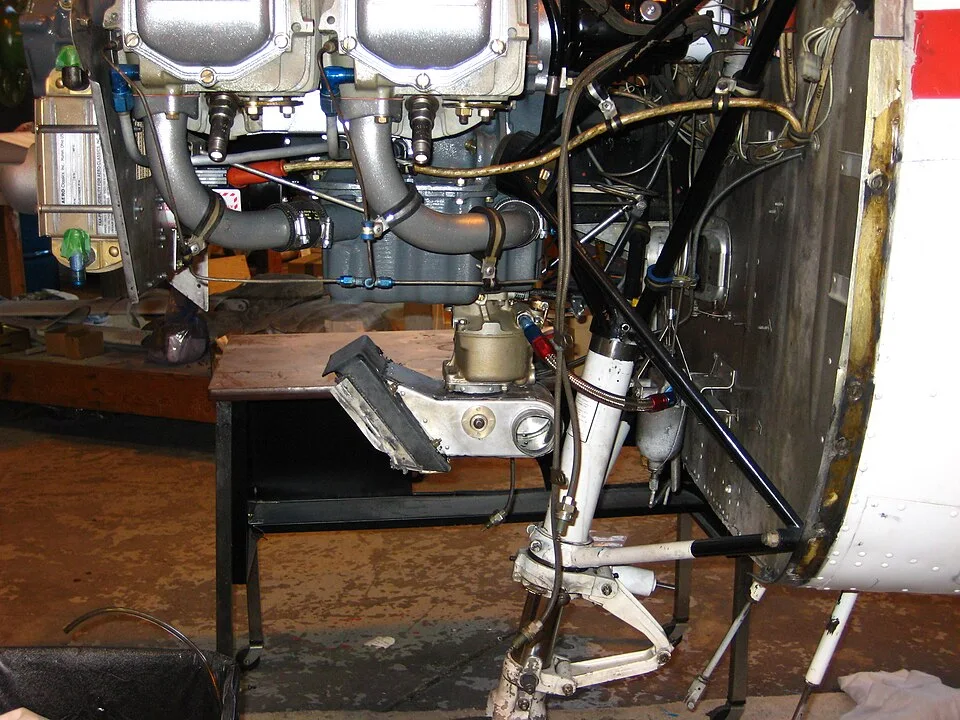

For publication research, compare the 150 D971 service-manual layers with the 152 D2064 revision history. The source references distinguish a base edition from later structural and component material.
The buying guide and prebuy guide establish the aircraft-specific evidence at purchase. Continuing ownership benefits from retaining that evidence in a form that makes changes, unresolved questions and the controlling documents easy to identify.
Keep the Identity and Configuration Together
Record the complete official model and serial as shown by the aircraft's evidence, including prefixes and significant punctuation. The model directory explains why U.S. A150L, Argentine A-150L and Reims F150L are different identities. The serial tool retains ordinary intervals and explicit exceptions, but does not determine an aircraft's manufacture date, installed equipment or compliance from the number alone.
For an FA/FRA aircraft, retain the kit and configuration evidence with the identity record. For an engine-converted aircraft, keep the actual engine/propeller and approval/supplement relationships visible. A shorthand description that was convenient for an advertisement may be insufficient when a mechanic needs an exact component application or a pilot needs the correct operating document.
Maintain a Coherent Operating-Document Set
The correct handbook or AFM is model-, serial- and configuration-dependent. The 150 manuals guide and 152 manuals guide provide publication-family leads and their boundaries. A recognized family number does not establish that a particular copy is complete, current or applicable to every aircraft listed in a broad publication catalog.
Reims higher-power models illustrate the importance of exact document identity: FRA150L and FRA150M use dedicated GB-suffixed AFM families, distinct from similarly numbered U.S. material. Standard/Aerobat distinctions also remain within combined annual publication leads. Retain relevant amendments and aircraft supplements with the operating reference instead of assembling limits from several neighboring-model books.
The Technical Documents connects the technical guides to relevant publications. It is a reference system, not a repository of approved aircraft document copies.
Weight, Balance and Fuel Configuration
An owner's loading questions begin with the current aircraft weight-and-balance report and equipment state. Certified gross weight, CG boundaries and baggage limits are separate from historical empty-weight examples. Equipment changes can alter the available useful load or CG without changing the model designation. Keep the associated documentation aligned with the installed aircraft.
| Applicability | Configuration | Total gal | Usable gal | Reserve Basis | Note | Source |
|---|---|---|---|---|---|---|
| 150 landplane | Standard | 26 | 22.5 | Early published pages often no reserve | - | [1] |
| 150 Patroller / long range | Long range | 38 | 35 | Early published pages often no reserve | Secondary configuration reference | [2] |
| 150G-K seaplane | Standard | 26 | 21.5 | - | Different usable fuel | T3R51 |
| 150M later | Standard | 26 | 22.5 | 1976-77 published 45 min @45% power | - | [1] |
| 152 | Standard | 26 | 24.5 | 45-minute reserve basis in later handbook data | - | [1] |
| 152 | Long range | 39 | 37.5 | 45-minute reserve basis | Some secondary pages use 38-gal wording; controlled handbook context stored separately. | [3] |
The fuel comparison shows why a total-capacity label is not enough. Standard 150 and 152 entries have the same 26-gallon total but different usable quantities; long-range installations have separate capacities and reserve contexts. Identify the actual tanks and documentation before using a published range or loading example. Added capacity offers a choice about fuel carried within the applicable weight and CG limits, not an exemption from them.
The 150 weight-and-balance guide and 152 loading guide retain model/category and serial groups. In particular, a later ramp-weight provision does not replace the takeoff limit. Aerobat category and Reims approval relationships likewise need their own evidence instead of a universal family loading rule.
Engine, Propeller and Maintenance Research
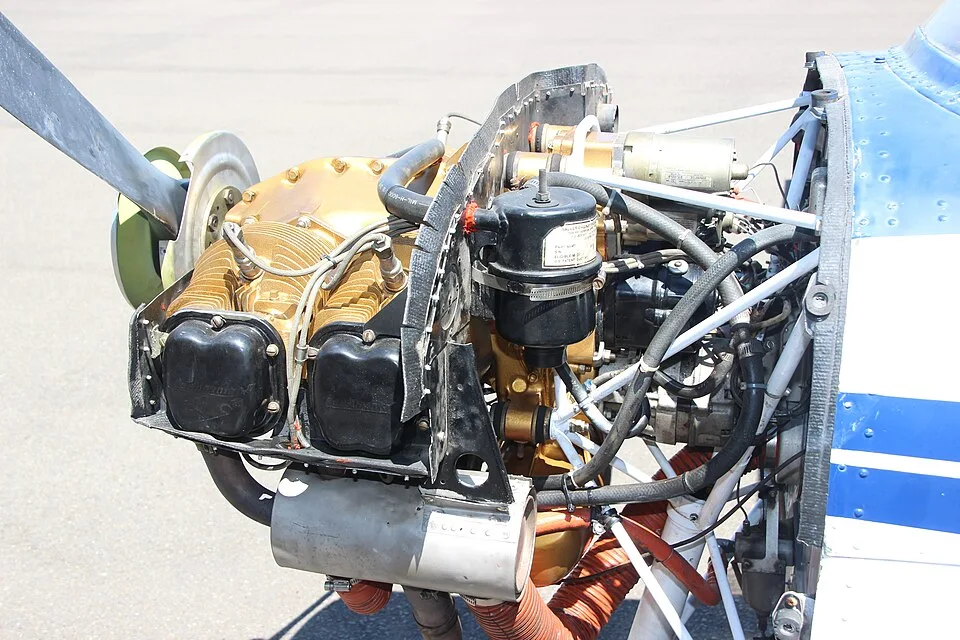
Keep exact engine and propeller identification available when discussing parts, service information or quotations. A 100-hp or 110-hp description is not the component model, and a factory serial group cannot identify every later replacement. The 150 engines and 152 engines guides distinguish factory installation, variant effectivity and conversions. The corresponding propeller guides retain application-specific conditions.
A useful maintenance record distinguishes the source requirement, affected product/configuration, action performed and any future recurring or event-triggered obligation. The family AD references describe a dated reference, not a live aircraft compliance service. Current controlling documents and the individual records must establish the applicable requirements. A broad statement that the aircraft is a 150 or 152 cannot settle appliance, STC or engine-variant applicability.
The known-issue guides also distinguish ADs from informational advisories and OEM recommendations. Retain those labels when organizing research. A high-consequence advisory topic deserves appropriate investigation without being relabeled as an AD, and a completed inspection is evidence about what was checked at that time rather than a permanent statement that the system can never deteriorate.

Revisit the Aircraft's Specific Generation
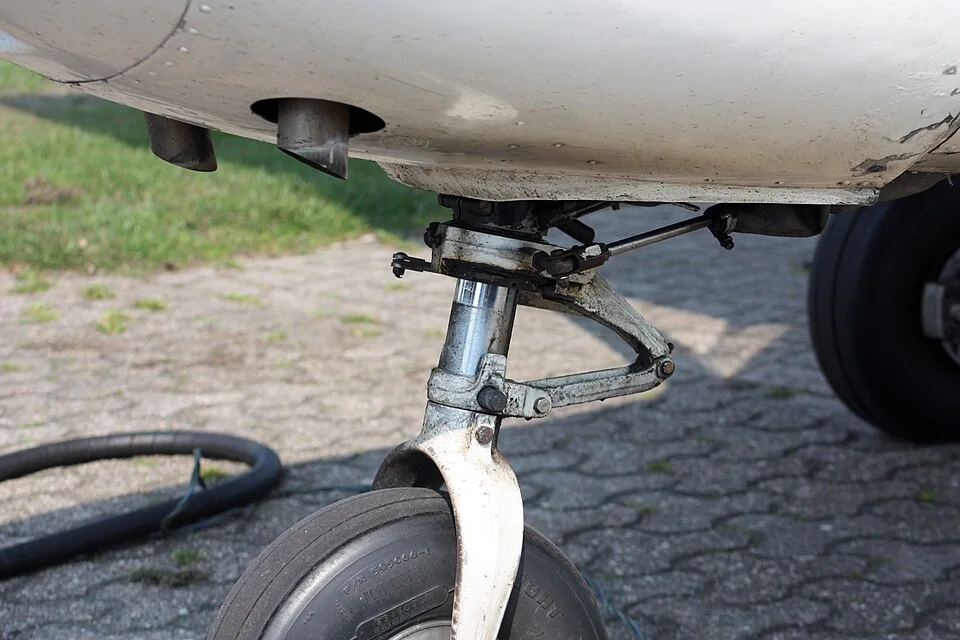
Model and serial changes remain useful throughout ownership. The 150A brake transition, 150B gear-attachment change, 150F flap motor/relay boundaries and 150L cabin/electrical/wheel breakpoints can all guide a more precise parts or records question. The 150 model pages explain those distinctions. A generic family maintenance description should not erase them.
The later 152 family has its own control-system, engine and equipment effectivity. Standard, Aerobat and French models do not necessarily share the same boundaries. The 152 systems guide retains those relationships, including changes that should not be merged merely because they concern nearby parts of the same control system.
Reconcile the file after equipment changes
After a recorded addition, removal or relocation, compare the equipment and weight-and-balance history with the operating supplements and component records. Keep the earlier record identifiable so the change can be followed. A new entry for one component does not by itself reconcile the rest of the aircraft file.
An Evidence-Based Ownership File
Keep identity, current configuration, operating documents, loading evidence and maintenance applicability connected. When a change occurs, identify which of those records it affects rather than treating it as an isolated equipment entry. Preserve unresolved questions explicitly so a later owner or maintenance professional can distinguish missing evidence from a verified negative finding.
For broader research, use the 150 reference or 152 reference, then follow the exact model and technical topic. The purpose of this organization is practical: it helps the next enquiry start from the aircraft that exists now, while preserving the production and certification history needed to understand it.
Inspection records and component history
The annual and 100-hour inspection guide explains the U.S. scheduling distinction and the records that support it. The propeller-records guide follows a different question: whether component history belongs to the unit actually installed. Use those focused references when organizing an ownership file so inspection dates and component identities remain easy to trace.
Organize recurring owner questions
An owner file is easier to maintain when each recurring question has a clear home. Keep the AD status and supporting entries together, but give ELT inspection and battery records their own identifiable dates and equipment history. A calendar reminder should point back to the record and requirement that created it.
For work performed by the owner, establish preventive-maintenance privileges before planning the task. For the operating folder, compare the certificate, manual and placard requirements with the aircraft's actual configuration. Neither a maintenance-file inventory nor a handbook title alone establishes that every necessary operating document is present.

Focused research
A supported inspection and component history can feed an aircraft-specific maintenance plan. Keep each item’s applicability and next-action basis attached to the records rather than turning a family reference into a universal schedule.
What ownership involves between flights
Owning a 150 or 152 joins several activities that a model specification cannot summarize: arranging storage, keeping operating documents together, planning maintenance, recording changes and preparing the aircraft for its intended use. These activities continue even when the aircraft is flown infrequently. The useful organizing principle is the individual airframe and its current equipment, rather than a universal annual cost or an assumption that every example needs the same work.
Storage is part of that context. A hangar and an outdoor tie-down provide different shelter arrangements, while local exposure and the aircraft's condition shape the questions an owner should raise. Neither storage label establishes that an aircraft is free of corrosion or that a particular inspection is unnecessary. The wing-corrosion reference connects the general concern with the structures and evidence that deserve attention, without assigning an invented cost to either storage choice.
Planning a flight and planning ownership also use fuel information differently. The immediate flight requires the applicable aircraft loading and performance information. Longer-term ownership involves understanding the actual tank installation, records and recurring fuel-system maintenance questions. A family capacity figure is useful background for both, but it is not a substitute for either process.
The model is shared; the aircraft history is individual
Two 150Ls can share a production designation while carrying different radios, interiors, propellers or documented alterations. Their current empty weights can differ, and their engine and component histories need not match their common airframe age. The modification and configuration history explains how these differences accumulate without turning each equipment change into a new model.
An owner's file is most useful when it lets another person follow those relationships. Airframe time, engine time and time since a recorded overhaul are different quantities. An annual inspection entry concerns an inspection at a particular time; it does not replace an entire component history. The engine-time guide and inspection-records guide provide the narrower explanations.
Handover is part of the aircraft's continuing life
The next owner inherits a physical aircraft and a documentary history. Keeping earlier equipment entries, later replacements and current loading information connected helps explain apparent disagreements between documents. A missing record should remain a specific question, not be treated as evidence that no change occurred. The records-handover guide follows this transition.
This gives ownership a historical dimension as well as a practical one. The aircraft's production identity connects it to a generation, but the maintained record explains the particular survivor. Preserving that distinction supports more useful conversations with inspectors, maintenance professionals and future buyers than a description based solely on year, paint or a familiar model name.
Explore this topic
- Cessna 150 and 152 Useful Load: Weight, Fuel and Payload Comparisons - Calculate aircraft-specific useful load without confusing gross weight, published empty weight, fuel allowance and centre-of-gravity limits.
- Cessna 150 and 152 Maintenance Research: Manuals, Revisions and Applicability - Build a maintenance-document research path that separates model identity, component installation, source editions and required-action status.
- Cessna 150 and 152 Operating Costs: Build an Aircraft-Specific Budget - Separate fixed costs, flying-hour costs and uncertain maintenance without inventing current prices or a universal hourly rate.
- Cessna 150 and 152 Fuel Cost: Consumption, Price and Utilization - Calculate fuel-only costs from stated inputs and avoid deriving unsupported fuel-burn claims from brochure range figures.
- Cessna 150 and 152 Weight-and-Balance Records: Equipment and Revision History - Connect empty-weight reports, equipment lists and alterations without treating factory sample figures as current aircraft data.
- Cessna 150 and 152 Annual vs 100-Hour Inspections: U.S. Record Review - Understand U.S. annual and 100-hour inspection triggers, exceptions and records when buying or operating a Cessna 150 or 152.
- Cessna 150 and 152 Propeller Records: Identity, Work and Installation - Trace a Cessna 150 or 152 propeller through its full designation, serial, shop history, aircraft installation and applicable publications.
- Cessna 150/152 Owner Preventive Maintenance: Permission and Records - Separate pilot privileges, permitted preventive tasks, maintenance methods and return-to-service records for U.S.-registered Cessna 150 and 152 aircraft.
- Reading Cessna 150/152 Maintenance Entries and Return-to-Service Records - Understand work descriptions, dates, signatures and scope in U.S. maintenance entries, and distinguish them from invoices and inspection records.
- Cessna 150/152 AD Compliance Records: What a Status Sheet Should Explain - Build a traceable AD research file with exact product identity, directive revision, method, supporting entry and recurring or event-triggered obligations.
- Service Bulletins, SAIBs and ADs: Cessna 150/152 Research - Distinguish manufacturer service information, FAA safety bulletins and enforceable directives while preserving jurisdiction, incorporated revisions and records.
- Cessna 150/152 Aircraft Documents: Certificates, Manuals and Placards - Separate U.S. onboard certificate requirements from applicable flight-manual material, placards, supplements and the maintenance research file.
- Cessna 150/152 ELT Records: Inspection and Battery Dates - Read U.S. ELT inspection and battery-record requirements separately, and connect the recorded transmitter to the unit installed in the aircraft.
- Selling a Cessna 150/152: Aircraft Records Handover - Prepare a traceable aircraft-records handover with current status, component identities, supporting work entries and clearly identified gaps.
- Cessna 150/152 Maintenance Planning: Organizing Due Items and Evidence - Build an aircraft-specific maintenance research list from inspection status, AD records, installed components and manufacturer guidance without inventing universal intervals.
- Cessna 150 and 152 Modifications: Model Specification vs Actual Aircraft - Understand how equipment, repairs, STCs, engine and propeller changes and weight-and-balance history distinguish individual Cessna 150 and 152 aircraft.