McCauley 1A103/TCM6958: Cessna 152 Applications and Hub AD Context
The McCauley 1A103/TCM6958 is the propeller application recorded for the Cessna 152, A152, Reims F152 and FA152 with O-235-L2C/N2C engines. The application data gives a 69-inch maximum diameter, 67.5-inch minimum diameter and static range of 2,280-2,380 RPM. These values belong to the specified installation; they are not a universal propeller specification for the Cessna 150 and 152 families combined.


Full designation and installation identity
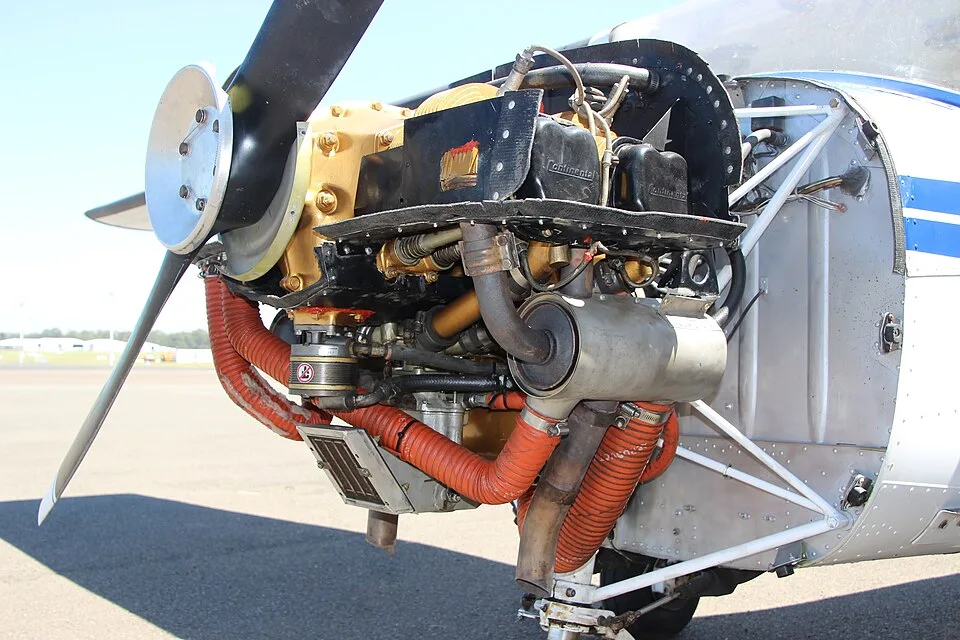
The basic propeller model is 1A103/TCM; the application designation adds the 6958 portion. Keep the entire recorded designation when researching the aircraft, because a basic-series reference, application listing and installed propeller identification answer different questions. the master describes a two-blade aluminum McCauley propeller under certificate P50GL. That propeller identity still has to be connected to the aircraft's approved installation.
The U.S. application row names 152/A152, while the French row names F152/FA152 with its own production context. Those distinct entries should not be merged into a generic “all Cessna trainers” claim. An O-200-powered 150 is not included simply because it resembles a 152. The O-235-L2C and O-235-N2C references explain the two recorded engine configurations.
| Origin | Aircraft Model | Model Year / Config | Engine | Exact Propeller Application | Maximum diameter (in) | Minimum diameter (in) | Static RPM minimum | Static RPM maximum | Notes | Primary Authority |
|---|---|---|---|---|---|---|---|---|---|---|
| USA | 152/A152 | All | O-235-L2C/N2C | 1A103/TCM6958 | 69 | 67.5 | 2280 | 2380 | Spinner Dwg 0450073 in aircraft TCDS. | [1] |
| France | F152/FA152 | 1978-1986 | O-235-L2C/N2C | 1A103/TCM6958 | 69 | 67.5 | 2280 | 2380 | - | [2] |


Reading diameter and static RPM correctly
Maximum and minimum diameter define a recorded range, not a recommendation to alter a propeller to a particular size. Actual condition, repairs and allowable work need the controlling propeller instructions and qualified maintenance assessment. A propeller outside an applicable dimension cannot be treated as acceptable merely because its model designation is familiar.
Static RPM is also not the engine redline or a cruise-RPM recommendation. It is an installation-specific range recorded alongside the propeller application. The aircraft engine limit remains a separate value. Mixing these numbers can produce a superficially plausible but incorrect specification. The table retains the source and installation note, including the U.S. spinner drawing reference, so that further research can return to the correct approval context.

Hub-cracking AD and installed-equipment scope
The important recurring research subject for this series is AD 2010-04-05, concerning McCauley 1A103/TCM hub cracks. Its potential applicability follows the installed propeller. A 152 serial number alone does not establish that this propeller is still fitted, while a qualifying propeller installed under another approved configuration cannot be dismissed solely because of the airframe's model name.
the AD history identifies 2003-12-05 as superseded by 2010-04-05. Maintenance records may consequently contain references to an earlier directive. That historical entry should be reconciled with the later requirements rather than treated as evidence that the current research is complete. The entity AD page preserves the snapshot status and recurring-inspection context without claiming compliance for any aircraft.
Replacement and support questions
the manufacturer application material marks the TCM design obsolete. That recorded support description is not a live inventory check and does not establish that a particular replacement is available today. Nor does it cancel the applicable AD or instructions for a propeller still in service. Replacement research needs an approved installation path, not simply another propeller of similar diameter.
A buyer should connect propeller identity, relevant inspections, repair history and installation documentation. The prebuy guide explains how to treat those records as part of the aircraft investigation. The 152 propeller guide supplies family context, while A13EU explains why the Reims approval path remains distinct. This reference helps organize that evidence; it does not supply shop procedures, inspection acceptance criteria or a maintenance release.