Serial Number Decoder
Identify a supported Cessna, Reims or Argentine serial and continue into the relevant model history and technical references.
Open the aircraft identifier →C150152 tools connect questions about the Cessna 150 and 152 with the aircraft's model references. You can start while learning about the family, considering a purchase, renting an aircraft or researching one you own. No ownership account or aircraft purchase is needed. The first interactive tool identifies supported serial numbers and leads into the relevant history and technical information.
Identify a supported Cessna, Reims or Argentine serial and continue into the relevant model history and technical references.
Open the aircraft identifier →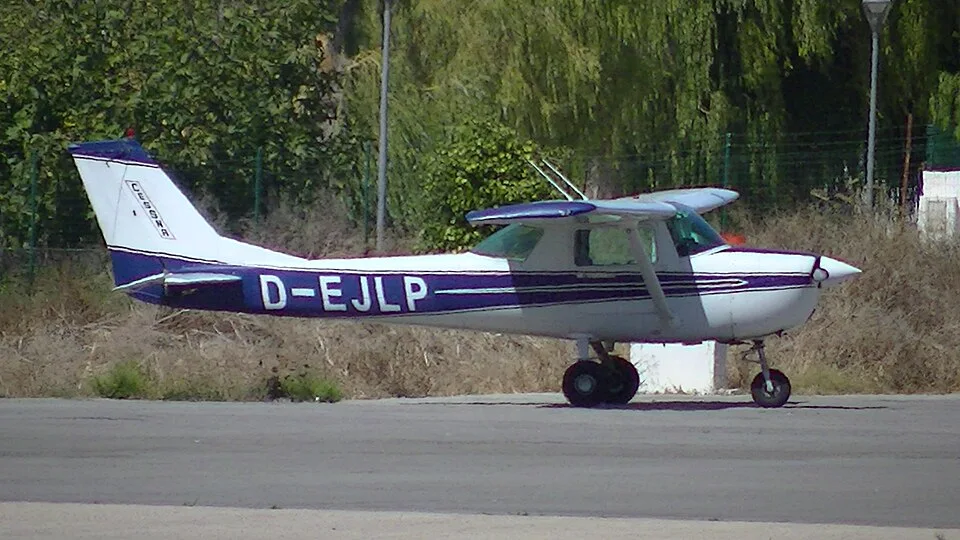
Exploration starts with understanding what the different names mean. A standard 150, a U.S. Aerobat and a Reims model can share features without sharing every certification or installation detail. The model directory explains those relationships, while the 150-versus-152 comparison connects the earlier family with its successor. These are useful reference starting points even when you have no particular serial to enter.
If you do have a serial from an aircraft record or a potential purchase, the Serial Number Decoder can narrow the enquiry. It does not create an individual-aircraft record. It matches the supported identity relationships and provides a route to the appropriate model, including special assignments and cases where a configuration condition must still be resolved.

A student, renter or prospective buyer can investigate loading and ownership without claiming to know an individual aircraft's empty weight. The useful-load explanation distinguishes a model limit from an aircraft-specific loading allowance. The buying guide connects intended use with the information worth obtaining before comparing individual aircraft.
Planning with a model and planning with an aircraft's own records are different starting points. A model can supply an established reference where its configuration is defined; a surviving aircraft's current equipment and weight-and-balance information supply another level of detail. Keeping those starting points separate prevents a representative specification from being mistaken for an aircraft's present capability.
Use the decoder for identification and the explanatory references for loading, fuel and cost questions. The configuration-history article is especially useful when a model description and an aircraft's advertised equipment appear to disagree.
My aircraft means a particular aircraft you are researching, whether you own it, fly it or are considering it. Begin with the complete factory serial and the designation in its records. A registration or tail number is a different identifier. The decoder accepts supported U.S., Reims and Argentine serial forms without asking for an owner's name, registration or account.
A precise result is the beginning of research. The model page explains the generation; the serial guide preserves exceptions; engine, propeller, system and document references address their own applicability. The aircraft-identity guide explains how to connect those references with the actual aircraft. An approval relationship does not establish that equipment is installed or that required work has been completed.
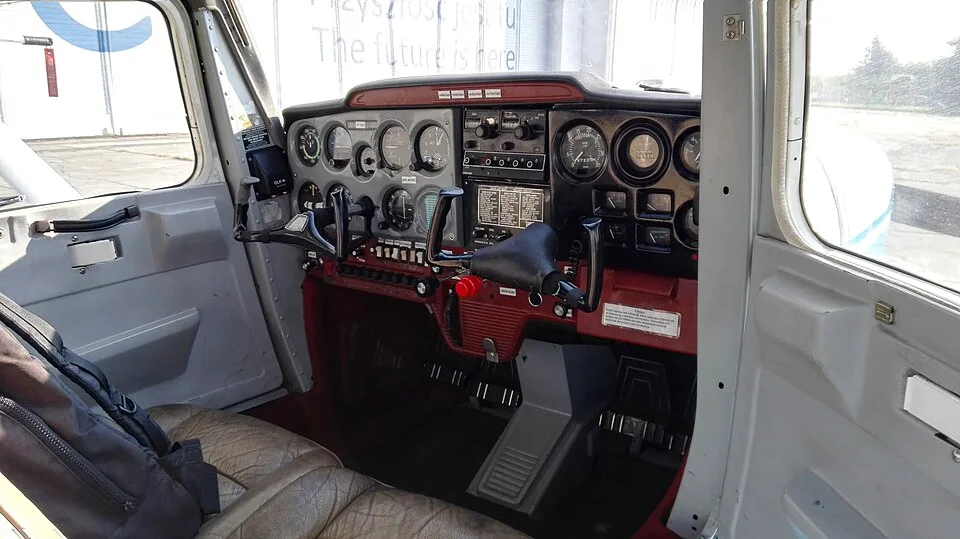
The decoder reports the most precise identity supported by the matching records. It distinguishes an ordinary match, an explicit special assignment, a conditional relationship, an ambiguous result and an unmatched entry. A model year can remain unresolved even when the model is known. The production history explains why model year, manufacture, delivery and registration are different dates.
Shared results reopen the same identification process using the site's current reference data. They are not certificates, ownership records or saved airworthiness findings. Serial input is processed in the browser, and new shared links carry it in the URL fragment. Continue with the model and aircraft records whenever the question concerns installed equipment, loading or compliance.


