Cessna 150 and 152 Maintenance Research: Manuals, Revisions and Applicability
Maintenance research starts with the aircraft and installed equipment, then identifies the publications that apply. The Cessna 150 and 152 share a family history, but that does not make their manuals, component instructions or effectivity statements interchangeable. A useful owner record keeps those relationships explicit.

Choose the publication for the question
A type certificate helps establish approved identity and configuration. A service manual supports the relevant maintenance research. A handbook addresses its own operating scope. An AD or other authority publication can introduce a different applicability or action question. The Technical Documents organizes these document types by publication and aircraft context.
Base manual and revision layers
The 150 D971 reference and 152 D2064 reference distinguish base manuals from temporary revisions and structural inspection material. Check that the manual itself contains the revision needed for the work.
Obtain the correct controlled information for the aircraft and task. The website's references explain the evidence available for research; they do not supply a verified complete maintenance library or instructions for performing work.
Track findings by system and component
An owner can organize questions under systems, engines, propellers and known issues. Keep a finding's component identity, configuration and publication basis together. Avoid treating a broad family concern as proof that the aircraft has that defect.

Preserve the evidence after work
Connect the maintenance records with any equipment, supplement or weight-and-balance changes. Where the action responds to a directive, distinguish the claimed action from the evidence needed for continuing status. The AD hub explains why eligibility and compliance are separate.
A maintenance budget and a maintenance determination also differ. The operating-cost guide helps organize variable expenses, but costs do not establish whether an action is required or whether an aircraft is fit for service.
A useful owner research register
Keep a short register of the aircraft identity, installed major components, applicable publications and unresolved document questions. Link each maintenance concern to that register rather than collecting unqualified internet summaries. Update the register when equipment changes are documented. This organizational step does not establish maintenance authority; it makes the evidence used by the responsible professionals easier to locate and reconcile.
Publication access and inspection scheduling
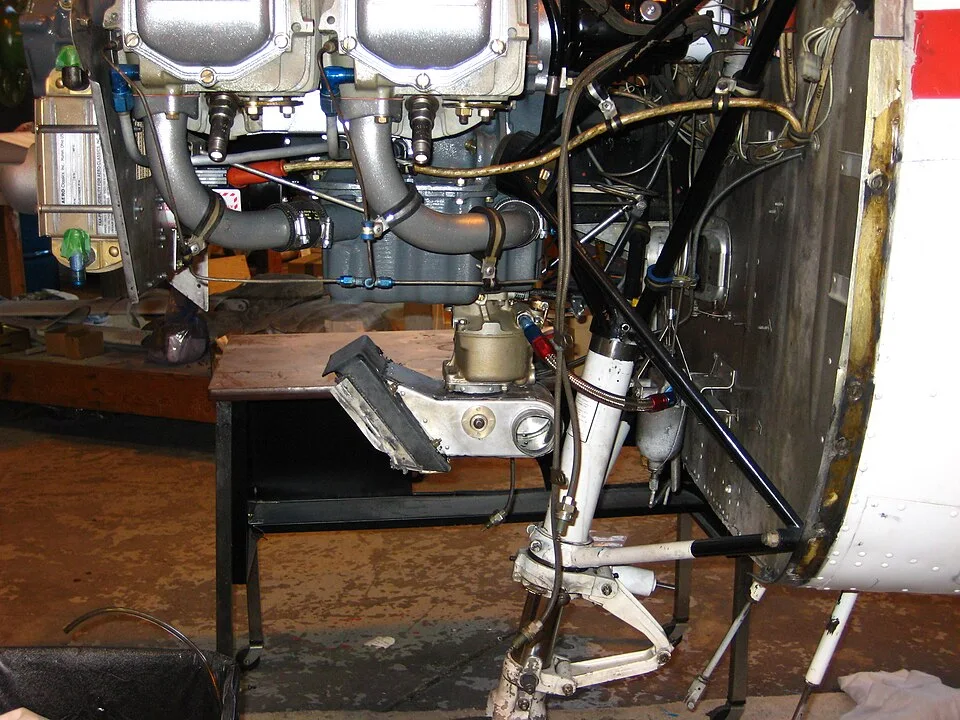
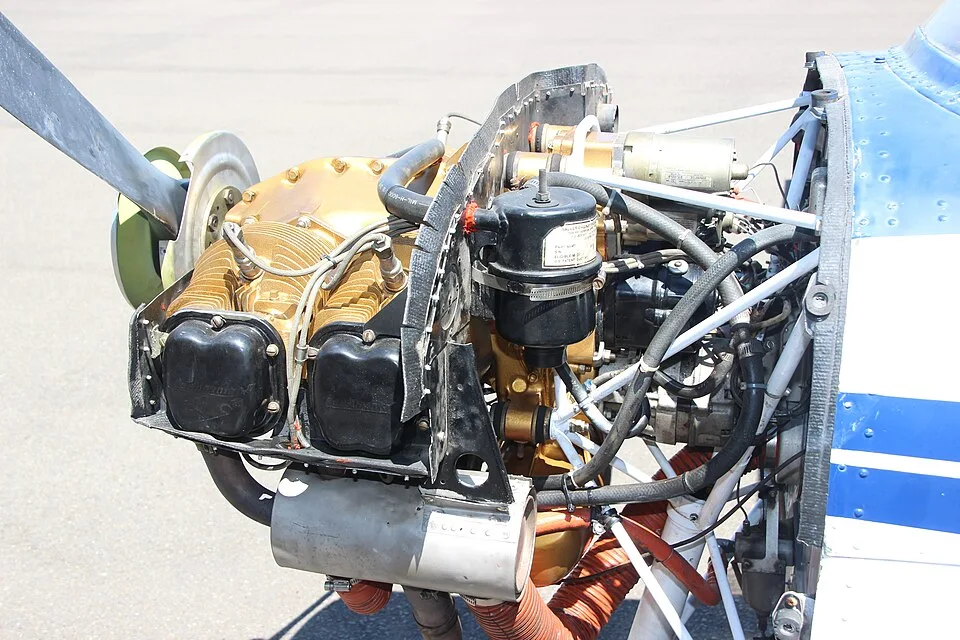
The O-235/O-290 manual’s fifth-edition cover is dated January 2007. Keep that edition identity with the applicable service information when discussing engine maintenance. A manual covering the engine series still needs to be read for the exact variant, task and amendments relevant to the installed engine. See O-235/O-290 manual.
The annual and 100-hour inspection guide addresses the separate U.S. scheduling question. The propeller-records guide follows a component through work and installation. Together these references help an owner prepare a focused maintenance discussion: which aircraft or component, which publication, which inspection requirement, and which records support the answer.
Organize the publication register around four fields: the aircraft or component identity; the publication identifier and examined edition; its stated effectivity; and the unresolved question. For example, match a D2064 manual to the aircraft and check its page and amendment lists. Keep that copy question separate from whether a maintenance action appears in the aircraft records.

Plan the task and the record
Before treating a small job as owner maintenance, establish the preventive-maintenance permission and task boundary. Then identify the applicable instructions, installed component and person authorized to approve the completed work. These are separate parts of the plan. Finding an additional defect during a permitted servicing task does not automatically extend that task to every repair needed.
The maintenance-entry guide explains how to follow the work description and approval scope. Keep invoices and supporting component documents attached to the relevant entry instead of expecting any single sheet to establish the entire history. For publication requirements, distinguish service bulletins, safety advisories and ADs before adding an item to the maintenance plan.
Prepare a usable handover file
The aircraft-records handover guide turns the owner’s working file into an inventory another person can use. Keep current-status records connected to the underlying entries, and identify records for removed components separately. A missing document should remain a named open item rather than disappearing into a summary that looks complete.
Before sourcing a component, use replacement-part applicability to frame the request around the aircraft, installed unit and supporting reference. That is more useful than asking for a part by aircraft family alone.
From reference reading to an aircraft-specific plan
Use the maintenance-planning guide to organize applicability, last recorded work and unresolved next-action questions by aircraft and component. This gives the owner a traceable discussion aid without inventing universal intervals. If the work is being considered during a purchase, first distinguish the prebuy and annual-inspection questions so that the requested scope and resulting records are understood.