Cessna 150 and 152 Weights: Gross, Empty, Ramp and Landing
Cessna 150 and 152 weight figures describe different states: empty weight describes the aircraft on its documented equipment and fluid basis; ramp, takeoff and landing limits apply at their named stages. Useful load is a separate subtraction using the applicable maximum and actual empty weight. The table preserves configuration-specific limits rather than one universal family weight.
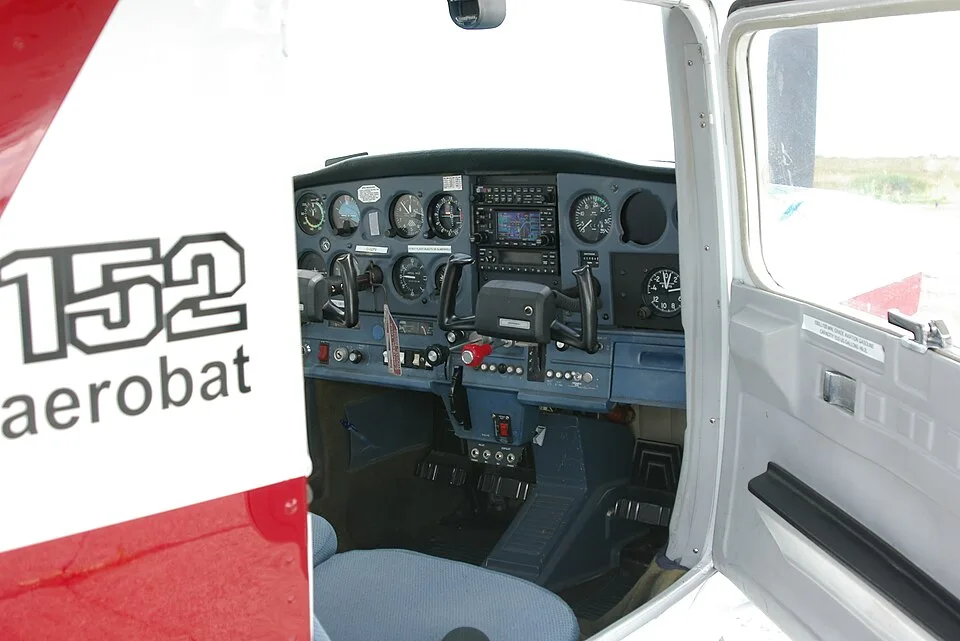

Maximum weights are configuration-specific
the groups distinguish takeoff, landing and ramp fields where the source supplies them. They also retain category, model or serial applicability and baggage limitations. A float configuration must not inherit the landplane's limits merely because the underlying model name appears in both records.
Weight groups with category and configuration retained (13 records)
| Models / Serial Applicability | Config | Category | Ramp lb | TO lb | Landing lb | Baggage | Datum / Reference | Source |
|---|---|---|---|---|---|---|---|---|
| 150, 150A, 150B, 150C | Land | Utility | - | 1500 | 1500 | 80 lb @ +65 | Certified datum system | [1] |
| 150D, 150E, 150F | Land | Utility | - | 1600 | 1600 | 150D/E: 120 lb @ +65; 150F: 120 lb ref W&B data | Certified datum / later handbook firewall Sta 0.0 | [1] |
| 150G, H, J, K | Land | Utility | - | 1600 | 1600 | 120 lb, reference W&B data | Certified datum | [1] |
| 150G, H, J, K with approved seaplane configuration | Sea | Utility | - | 1650 | 1650 | 120 lb, reference W&B data | Certified datum | [1] |
| A150K | Land | Acrobatic | - | 1600 | 1600 | 120 lb, reference W&B data | Certified datum | [1] |
| 150L | Land | Utility | - | 1600 | 1600 | 120 lb, reference W&B data | Firewall/front face Sta 0.0 handbook convention | [1] |
| A150L | Land | Acrobatic | - | 1600 | 1600 | 120 lb, reference W&B data | Firewall/front face Sta 0.0 handbook convention | [1] |
| 150M | Land | Utility | - | 1600 | 1600 | Area 1 120; Area 2 40; combined 120 | Firewall front face Sta 0.0 | [1] |
| A150M | Land | Acrobatic | - | 1600 | 1600 | Area 1 120; Area 2 40; combined 120 | Firewall front face Sta 0.0 | [1] |
| 15279406-15282031 | Land | Utility | - | 1670 | 1670 | Area 1 120; Area 2 40; combined 120 | Firewall front face Sta 0.0 | [1] |
| 15282032 and on | Land | Utility | 1675 | 1670 | 1670 | Area 1 120; Area 2 40; combined 120 | Firewall front face Sta 0.0 | [1] |
| A1500433; A1520735-A1520808 | Land | Acrobatic | - | 1670 | 1670 | Area 1 120; Area 2 40; combined 120 | Firewall front face Sta 0.0 | [1] |
| 681; A1520809 and on | Land | Acrobatic | 1675 | 1670 | 1670 | Area 1 120; Area 2 40; combined 120 | Firewall front face Sta 0.0 | [1] |
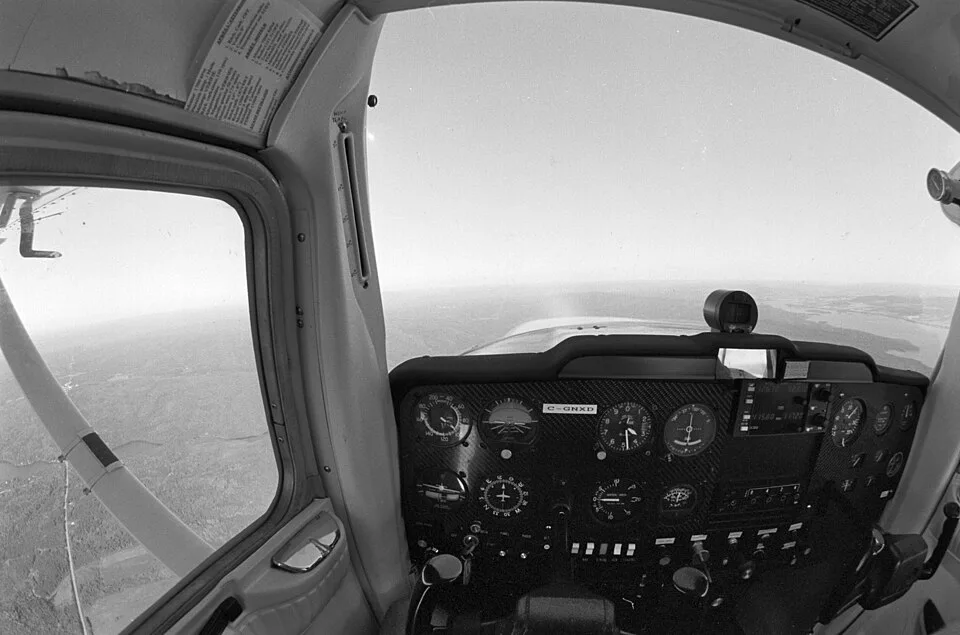

Empty weight and equipment changes
Two aircraft of the same legal model can have different recorded empty weights after equipment changes, repairs or alterations. A brochure comparison can therefore suggest a question without resolving the useful load of either aircraft being considered. Request the current weight-and-balance report, equipment list and the records supporting changes since that report.
The useful-load guide explains the arithmetic and why fuel competes with occupants and baggage for the available allowance. Weight alone is not sufficient: the loading must also remain inside the applicable center-of-gravity envelope. Moving a load can change balance even when total weight remains unchanged.
Compare like configurations
For a model comparison, state whether the figure is a certified limit or a published example. Retain the category and landing-gear configuration. Avoid combining the most favorable maximum from one configuration with the lightest published empty weight from another. That subtraction would describe no established aircraft.
The Cessna 150 weight-and-balance reference and Cessna 152 reference preserve the loading groups and source context. They provide a route into the documentation, not approval for a proposed load. A Reims aircraft or a major conversion requires explicit evidence for its own applicable limits before numerical conclusions are drawn.
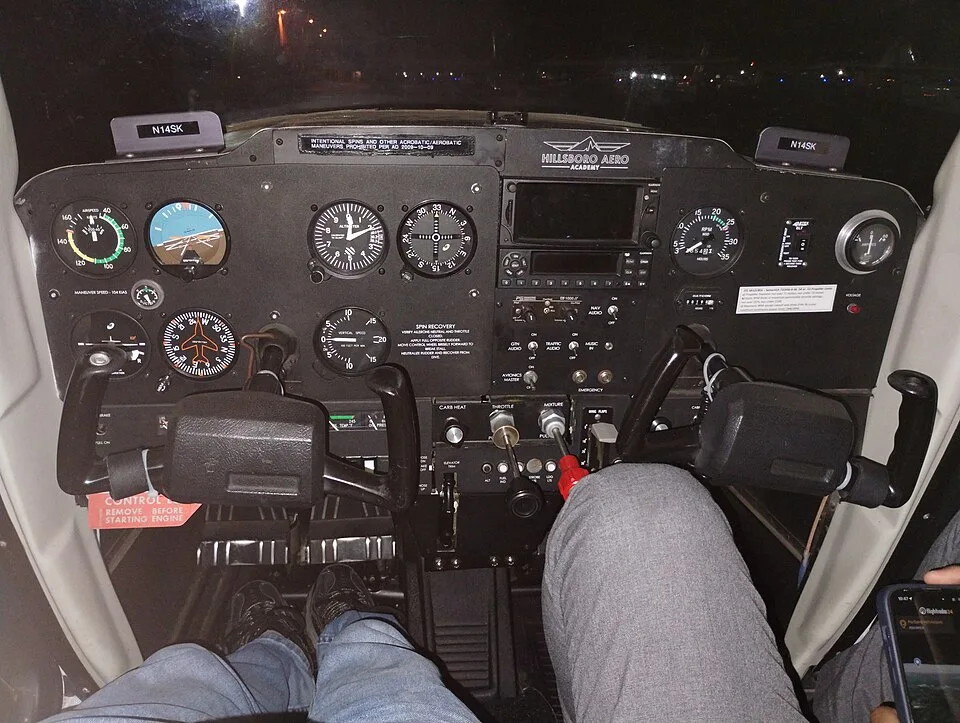

Keep the calculation auditable
When discussing a candidate aircraft, record the date and source of its empty-weight information and list any subsequent equipment changes that need reconciliation. Keep the certified maximum and the aircraft-specific empty weight in separate fields. This makes it possible to see which number is a limit, which is a recorded state and which is a derived allowance, instead of presenting all three as interchangeable specifications.
When comparing current loading figures, trace the weight-and-balance records through equipment changes. The baggage limits constrain location as well as total payload.