Buying a Cessna 150 or 152: Compare the Aircraft and Its Records
Buying a Cessna 150 or 152 is a comparison of individual aircraft and their evidence. Model generation, actual useful load, engine/propeller configuration, operating documents and maintenance history matter together. A later year, an Aerobat label or a higher-power conversion can change the questions to ask, but none independently establishes the best aircraft for a buyer.

This guide organizes the selection stage using the site's technical records. The prebuy guide addresses inspection scope, and the ownership guide explains the records that remain useful after purchase. Current prices, maintenance quotations and individual aircraft condition are not established by the historical specification sources used here.
Before shortlisting an aircraft, resolve five questions: which model and serial the records identify; what the current useful-load evidence supports; which engine, propeller and tank configuration is installed; which maintenance records are available; and which questions the prebuy must investigate. An unanswered item belongs on the shortlist as a specific follow-up, rather than being concealed by an attractive year or equipment description.
Define the Load and Intended Use
Start with the people, baggage and fuel the aircraft needs to carry. The early standard 150 group has a 1,500-lb landplane limit, later standard 150s generally lead to the 1,600-lb group, and the U.S. 152 group gives 1,670 lb. Those figures identify useful comparisons, but the actual empty weight and CG determine what remains available on the aircraft being considered.
A heavily equipped example can have less practical cabin-load margin than a lighter aircraft with a lower gross-weight limit. Request the current weight-and-balance report and equipment information before relying on an advertised useful load. A published Standard, Commuter or Aerobat empty-weight example is not that aircraft's report. The 150 loading guide and 152 loading guide preserve the certified group and serial distinctions.
Standard versus long-range tanks is another load choice. More fuel capacity does not imply that full tanks, two occupants and maximum baggage can all be carried together. Confirm the tank installation and usable quantity, then evaluate the intended loading with the correct aircraft data. This often provides a more useful first filter than comparing isolated maximum-speed or range headlines.
Establish the Legal Model and Full Serial
Use the model directory to distinguish standard U.S., Aerobat, Reims and Argentine identities. A U.S. A150L and Argentine A-150L are not interchangeable names; an F150L is not simply a U.S. 150L with an optional prefix. The serial tool is a starting point for ordinary ranges and explicit exceptions, not a decoder for installed equipment or compliance.
Several cases show why records matter. Serial 15064970 belongs to A150M despite its numeric position in a 150G interval. A1500433 belongs to A152 rather than A150L. An eligible FA150L/M serial also needs the prescribed kit evidence before the conditional FRA identity is established. Resolve such questions before selecting a manual or accepting an advertised category or horsepower description.
Compare Engines and Propellers as Installations
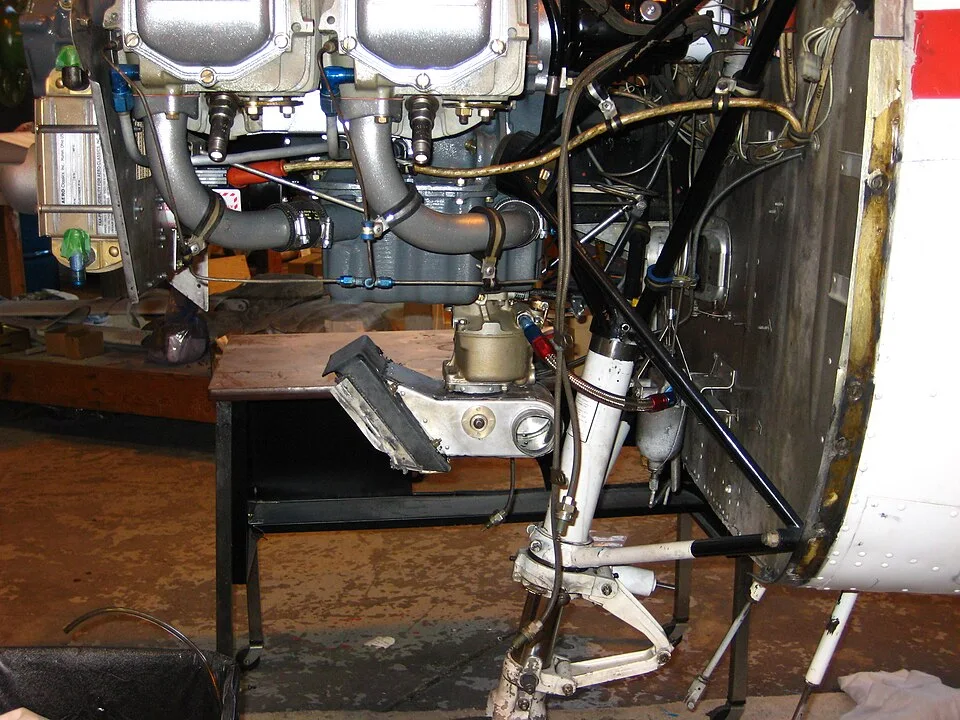
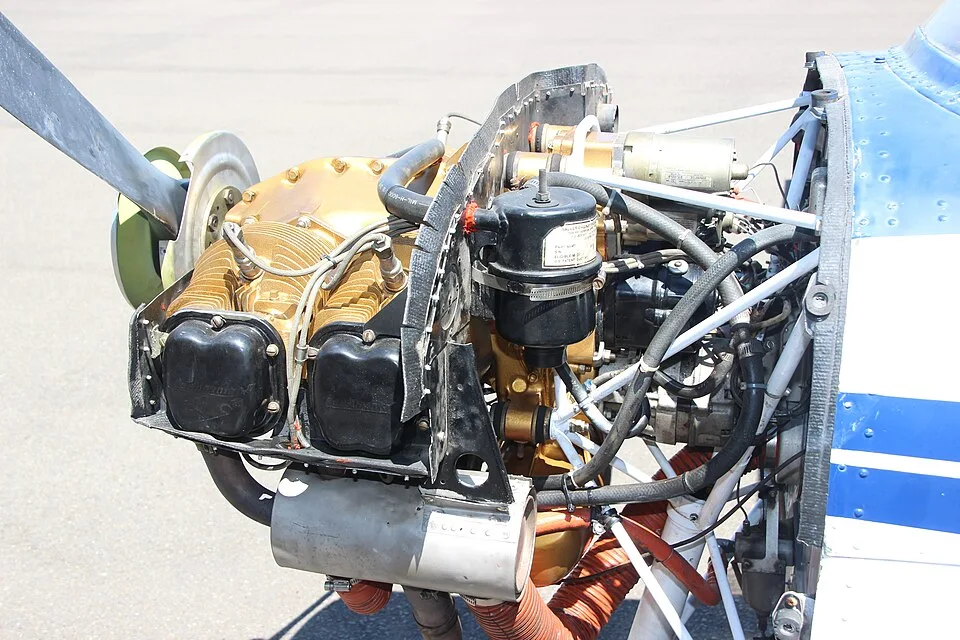
The common U.S. comparison is the 150's O-200-A against the 152's O-235, while Reims FRA models introduce O-240 context. The 150-versus-152 guide explains the power and generation differences. An individual aircraft may have been altered, so obtain the actual engine and propeller identification and the installation approval/supplement records.
An engine-family name does not identify the complete accessory or propeller combination. The 152's L2C/N2C distinction has factory serial and approved-rework conditions; the 150 propeller entries retain model-year, land/sea and static-RPM distinctions. A conversion listing establishes a research lead only at its stated evidence level. It is not proof that every component, control installation or loading change on the offered aircraft forms an approved combination.
For maintenance cost enquiries, provide the exact installed components to the people preparing quotations. Obtain current quotations for the actual components and proposed work; nominal engine power does not establish replacement availability or overhaul cost. Treat a seller's broad cost claim as a separate evidence question rather than deriving it from nominal horsepower.
Build a Focused Prebuy Scope
A useful prebuy follows the model, serial, configuration and history. Seat locking and supporting structure, corrosion, tail attachments, flap systems, fuel equipment and cabin-heating/exhaust installations are important research topics, but they do not all have the same affected scope or legal status. The table illustrates how an inspection question should retain those distinctions.
| Title | Affected Scope | Detection / Prebuy Clues | Legal / OEM Status | Reference |
|---|---|---|---|---|
| Seat rail, locking pin and roller wear | Cessna 150A-M, A150, A-150/A-A150, Reims F/FA/FRA150, 152/A152/F152/FA152; all serials in AD applicability. | AD inspection of rail holes, dirt/debris, roller/housing/tang dimensions, lock-pin engagement and springs; review repetitive compliance records. | FAA AD - mandatory | [1] |
| Aft vertical-fin attachment fitting cracking | 150/152, A150/A152 and Reims variants produced 1966-1986 per FAA SAIB CE-16-03. | Review SID/service-history; inspect aft fin attachment fitting/structure per applicable SID. | FAA SAIB - informational/recommended | [2] |
| Rudder-stop modification structure corrosion/damage | 150F-M/A150K-M/F/FA/FRA150 and 152/A152/F152/FA152 only when SK152-24B/25B or earlier is installed. | Confirm kit/revision installed; inspect structure and rudder horn area per SEB01-1 R2 / SEL-27-02 R1. | FAA SAIB - informational/recommended | [3] |
| Carry-through and interior structural corrosion | SID-covered 150-series (1969-77 family) and 152-series/Reims family; corrosion environment changes intervals. | Inspect SID/CPCP status and structural areas; look for corrosion level, prior blend/repair, moisture history. | OEM SID/CPCP - maintenance program | [4] |
| Wing root rib corrosion | SID-covered 150/152 families. | Inspect SID history and wing-root area; assess corrosion severity and prior repairs. | OEM SID/CPCP | [4] |
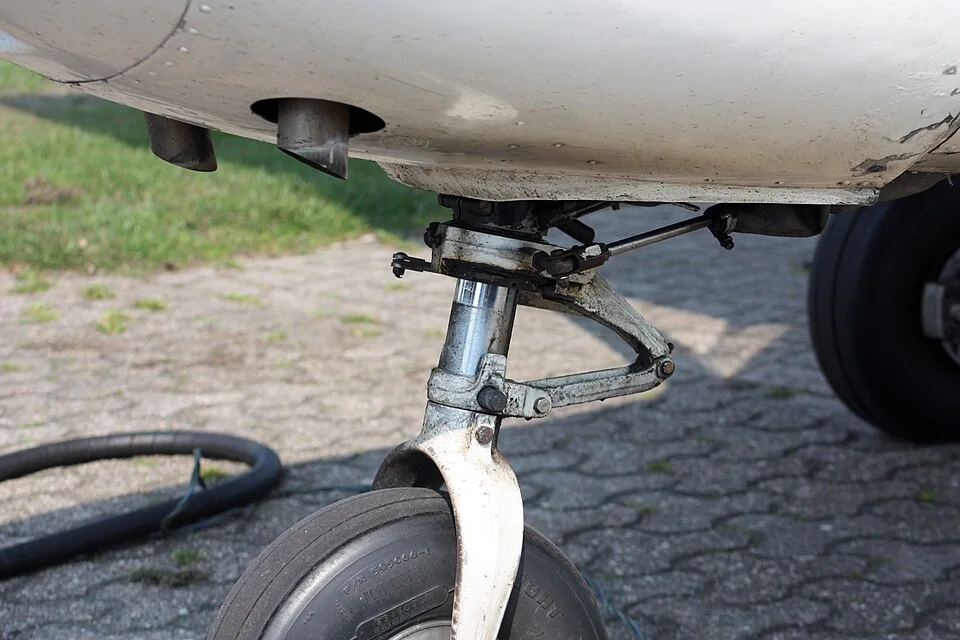
| Nose gear fork cracking | Affected Cessna 150-series earlier nose-gear fork/configuration and time-in-service conditions. | Verify fork P/N/configuration and AD compliance; inspect/NDT as required. | FAA AD - mandatory | [5] |
The 150 known-issues guide and 152 known-issues guide preserve the broader evidence. Ask the inspecting professional to establish applicability and inspect using the controlling documents. An AD, an informational advisory and an OEM inspection recommendation are different kinds of evidence; one should not be relabeled as another to make a checklist look uniform.
A clean-looking cabin or recent paint does not establish the condition of hidden attachments, seat-support structure or earlier repairs. Conversely, a family issue entry does not prove that the aircraft offered for sale has that defect. The prebuy should produce findings about the individual machine, with unresolved questions made explicit before they become assumptions in a purchase decision.

Manuals, Alterations and Compliance Records
Request the handbook/AFM that actually covers the model, serial and configuration, with relevant amendments and supplements. Similar document numbers can conceal standard/Aerobat or U.S./Reims differences; FRA150M's D1056-13GB context is a clear example. A collection of unrelated manuals is not evidence of correct aircraft coverage.
The site's 150 AD reference and 152 AD reference describe a dated reference. Use them to identify questions and source relationships, then establish the current controlling requirements and actual compliance evidence for the installed products. A serial match establishes applicability only where the directive says so; it does not establish that required work was done or that a repetitive obligation has ended.
Alterations also need to agree with the current loading record. Engine changes, tank arrangements, battery relocation or other equipment can affect more than the component named on a sales sheet. Reconcile the approval, installed hardware, operating supplement and weight-and-balance documentation as a set. An unexplained mismatch is a concrete question for the seller and inspecting professional.
Make the Aircraft-to-Aircraft Decision
Compare the findings against the intended role: documented usable capability, correct operating information, actual condition and the work still requiring resolution. Distinguish an established fact from a seller's description, an inspection finding and a quotation. These evidence types answer different questions and should remain identifiable in the decision.
The ownership guide provides a way to organize the records that support continuing use. The immediate goal of the buying process is an informed decision about a specific aircraft, with the important identity, configuration and condition questions answered. A high model-year specification or attractive family reputation cannot replace that evidence.
Resolve the aircraft identity before comparing the records, and connect the weight-and-balance history to current equipment. These checks help expose a document mismatch before it influences a loading or configuration conclusion.
Retrieve and reconcile alteration evidence
The FAA aircraft-records guide provides a retrieval and reconciliation process for U.S. aircraft. The Form 337 and STC reference then separates approval scope from recorded work. Use both when a listing advertises a conversion but the supplied paperwork does not yet explain the full installation.
Keep title and technical evidence separate
Add aircraft title and lien research to the purchase investigation alongside the mechanical prebuy. Ask what the title review searched, which aircraft identity it used and which recorded interests remain unresolved. A technical inspection and a recorded-interest search answer different parts of the buying decision.
Before accepting the operating folder, use the aircraft-documents guide to distinguish certificates, applicable operating material and alteration evidence. An attractive binder can still contain a neighboring model manual or omit a configuration-specific supplement. Make the missing item explicit so the seller and reviewer can identify the actual document needed.

Focused research
The comparison directory helps separate a model shortlist from an individual-aircraft decision. Before arranging work, distinguish the prebuy and annual inspection and trace the claimed airframe total time through its own records.
Compare two individual aircraft, not two model labels
When two advertisements name the same model, compare the evidence behind their differences before treating them as equivalent. Equipment, current empty weight, engine and propeller history, repairs and alterations can all differ. A later replacement is not automatically an advantage, and an original-looking installation is not a condition report. The model-versus-configuration explanation connects the common design with the particular aircraft's life.
Past use also needs a precise description. A former trainer may have a documented maintenance history, while a privately operated aircraft may have unresolved records; the role alone settles neither case. Airframe time does not supply an unrecorded count of landings or prove how the aircraft was handled. The training-use discussion explains the distinction between an aircraft's purpose and its present condition.
The buying decision can then be organized around the intended use, actual loading capability, documentary continuity and inspection findings. The ownership guide describes the continuing responsibilities after purchase, so the enquiry does not end with a model-year comparison or a list of installed equipment.
Start a serial enquiry
Use the aircraft identifier when a purchase enquiry includes a complete factory serial. Its model and mapping context can guide the records investigation; it does not establish the offered aircraft’s current equipment or condition.
Explore this topic
- Cessna 150 and 152 Prebuy: Structure, Systems and Configuration Evidence - Plan a focused Cessna 150/152 prebuy around seat rails, corrosion, tail attachments, flaps, fuel, exhaust, nose gear and modification records.
- Cessna 150 and 152 Logbooks: Identity, Alterations and Missing Records - Organize an aircraft-record review around legal identity, installed equipment, maintenance history and unresolved gaps.
- Cessna 150 and 152 Engine Time: Reading Overhaul and Installation History - Separate engine identity, time descriptions, installation history and maintenance condition when assessing a prospective aircraft.
- Cessna 150 and 152 Damage History: Repairs, Structure and Evidence - Connect reported damage, repair documentation and present structural findings without judging an aircraft from a short sales description.
- Buying a Cessna 150 or 152: Model Plate, Serial and Record Identity - Reconcile model, serial, model year and aircraft records while preserving special serials and international naming differences.
- Cessna 150 and 152 Form 337 and STCs: Alteration Evidence - Distinguish an STC approval, permission to use it and a Cessna 150 or 152 alteration record; review identity, compatibility and supporting documents.
- Cessna 150 and 152 FAA Aircraft Records: Request and Reconcile - Use the FAA aircraft-records service alongside seller logbooks to investigate Cessna 150 and 152 identity, alterations and gaps in the history.
- Buying a Cessna 150/152: Aircraft Title and Lien Research - Separate recorded ownership interests and releases from maintenance history, and prepare useful identity and document questions for a U.S. aircraft title search.
- Cessna 150/152 Replacement Parts: Checking Applicability - Build an aircraft and component applicability enquiry before treating a catalog entry, supplier description or matching part number as installation approval.
- Cessna 150/152 Prebuy vs Annual Inspection: Different Questions - Understand what an annual inspection record answers and how a Cessna 150/152 prebuy can investigate identity, alterations, records and purchase uncertainties.
- Cessna 150/152 Airframe Time: Total Time, Meter Changes and Gaps - Trace Cessna 150/152 airframe total-time claims through dated records, keeping engine time, meter readings and missing history separate.