Cessna 150 and 152 Known Issues: Structure, Systems and Applicability
Cessna 150 and 152 issue research includes seat locking, structural corrosion, tail attachments, flap components, fuel equipment and exhaust installations. Choose the affected area, then check its model, serial, component and modification scope. A recorded concern guides an investigation; it is not a finding that every aircraft has the defect.


Distinguish the type of source
The records include airworthiness directives, informational advisories and manufacturer inspection or service material. Those categories must remain visible. A service-program item is not automatically the same legal requirement as an AD in every jurisdiction, and a directive's eligibility is not proof of compliance.
Structural areas
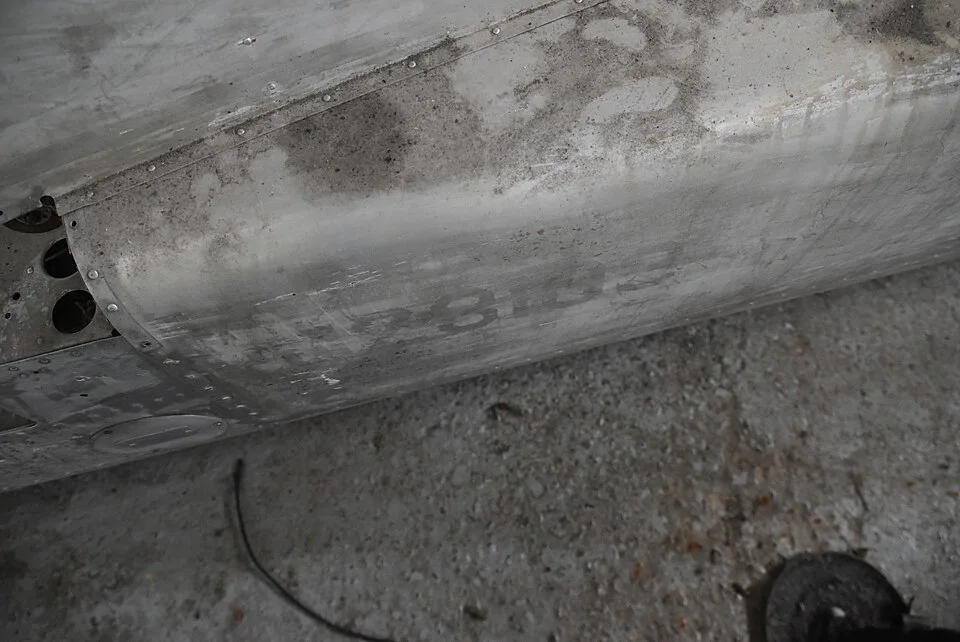
Begin with structural corrosion for the overview, then use the narrower wing, tail and landing-gear references to identify the particular research question. The location and component matter more than a generic airframe-condition label.

Systems and installations
Seat rails, fuel venting and exhaust concerns illustrate different applicability paths. Some concerns depend on a specific modification or installed component. They should not be assigned to a stock aircraft from a family name alone.
Use the evidence in a prebuy
The 150 issue reference and 152 issue reference retain the larger issue guides. Have the inspecting mechanic connect the relevant items with the aircraft, records and present findings. Record inaccessible areas and unresolved evidence explicitly.
The damage-history guide helps connect structural questions with prior work. These articles supply research context, not inspection limits, repair instructions or a declaration of airworthiness. They also avoid ranking aircraft by the number of historical issue entries without considering scope and condition.

Match Each Concern to the Aircraft
For each concern, match the aircraft’s model and serial, the affected component and any installation or modification condition. Then distinguish the publication’s requirements from the inspecting mechanic’s findings. A seat-locking concern, structural corrosion and a fuel-system alteration can need different records and access. Ask which items were examined, which could not be inspected and what remains unresolved before interpreting a broad statement about aircraft condition.
Additional focused records cover elevator attachments, flap actuators, fuel indication, battery relocation and Brackett air filters. These guides preserve the component and installation distinctions that determine which evidence to pursue.
Explore this topic
- Cessna 150 and 152 Seat Rails: Locking Wear and Structural Corrosion - Distinguish seat locking and roller wear from corrosion of the supporting structure, with exact affected scope and AD/SID research.
- Cessna 150 and 152 Structural Corrosion: Areas and Prebuy Evidence - Research carry-through, wing, strut, gear and rudder corrosion with source-specific scope, inspection context and maintenance limitations.
- Cessna 150 Fuel Venting and Vented Caps: Applicability Research - Research the recorded fuel-venting concern and its U.S. serial scope without extending it to every 150 or 152 configuration.
- Cessna 150 Exhaust and Cabin-Heat Concerns: Stock and Modified Aircraft - Distinguish the early cabin-heat exchanger issue from a conditional Avcon muffler concern and connect each to installation evidence.
- Cessna 150 and 152 Landing-Gear Concerns: Nose Fork and Main-Gear Structure - Separate early nose-fork cracking applicability from main-gear structural corrosion and wear in maintenance-program research.
- Cessna 150 and 152 Wing Corrosion: Root Ribs, Struts and Attachments - Research wing-root and wing/strut structural concerns with SID scope, source status and prebuy evidence kept separate.
- Cessna 150 and 152 Tail Attachments: Fittings, Nutplates and Rudder Structure - Distinguish fin-fitting advisory evidence, tail-nutplate directive lineage and rudder structural inspection subjects.
- Cessna 150 and 152 Flap Actuator Issues: Jack Screws, Ball Nuts and Stops - Distinguish separate flap-actuator issues and serial groups without applying every electric-flap AD to every aircraft.
- Cessna 150 and 152 Elevator Attachments: Hardware and SAIB CE-17-12 - Research elevator attachment hardware, SID references and the distinction between safety information and an airworthiness directive.
- Cessna 150 and 152 Fuel Indication: Senders, Gauges and Capacity Markings - Separate fuel-quantity indication concerns from tank-capacity placards and actual usable-fuel configuration.
- Cessna 150 Battery Relocation: Elevator-Cable Interference Research - Research aft battery relocation, elevator-cable interaction and the conditional scope of AD 88-15-06.
- Cessna 150 and 152 Brackett Air Filters: Assembly and Gasket Evidence - Distinguish Brackett filter-assembly and gasket concerns using exact equipment identity and separate AD references.
- Cessna 150/152 Rudder-Stop Modifications and Corrosion Research - Follow FAA SAIB 2025-11 from earlier rudder-stop kits to corrosion concerns, later service information and the separate AD compliance record.