Sensenich 69CK Propellers: Cessna 150 Applications and Full Designations
The Sensenich 69CK family appears in Cessna 150 propeller application evidence with full designations such as 69CK-0-48L, -50L and -52L. Researching only “69CK” loses part of the application identity. The retained table also distinguishes aircraft scope and a spinner or bulkhead note, so a propeller name alone is not a complete installation description.
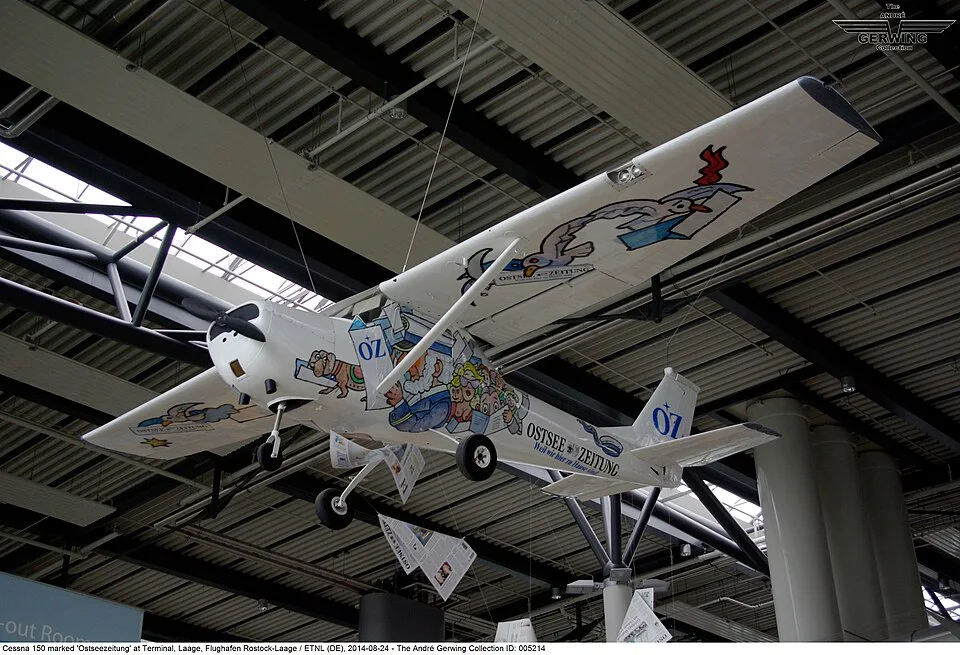

Read the full application row
The exact Sensenich entry covers the stated aircraft group and O-200-A installation, with diameter and static-RPM limits attached. Another source row groups the 69CK family with McCauley alternatives. That grouped row should be read as an application summary, not as evidence that all of those propellers were simultaneously fitted or can be exchanged without checking the approval terms.
| Reference family | Origin | Aircraft Model | Model Year / Config | Engine | Exact Propeller Application | Max Dia | Min Dia | Static Min | Static Max | Notes | Primary Authority | Manufacturer Cross-check |
|---|---|---|---|---|---|---|---|---|---|---|---|---|
| Cessna 150 | USA | 150 through 150F | All | O-200-A | 69CK-0-48L / -50L / -52L | 69 | 67.5 | 2320 | 2470 | Sensenich application guide notes spinner/bulkhead for 69CK-0-52 installation. | [1] | [2] |
| Cessna 150 | USA | 150G through 150K | Landplane | O-200-A | 69CK family / 1A100/MCM6950 / 1A101/DCM6950 | 69 | 67-67.5 | 2320/2375/2500 | 2470/2475/2600 | Use propeller-specific static range. | [1] | [3] |
The two source relationships serve different research roles. Aircraft type-design evidence identifies the installation context, while the manufacturer application reference provides a cross-check. Check the edition and amendments of the actual publication before using it for an installation enquiry.
Spinner and bulkhead details belong to applicability
The source note calls out a spinner or bulkhead context for the 69CK-0-52 installation. Such a note is easy to lose when a table is reduced to manufacturer, diameter and horsepower. Keep it with the full designation when comparing an aircraft's equipment list and propeller records.
This guide does not provide a spinner assembly number or authorize an installation. It preserves the fact that the source contains an installation qualification, which should lead the researcher to the applicable instructions. A matching engine model does not eliminate that qualification.
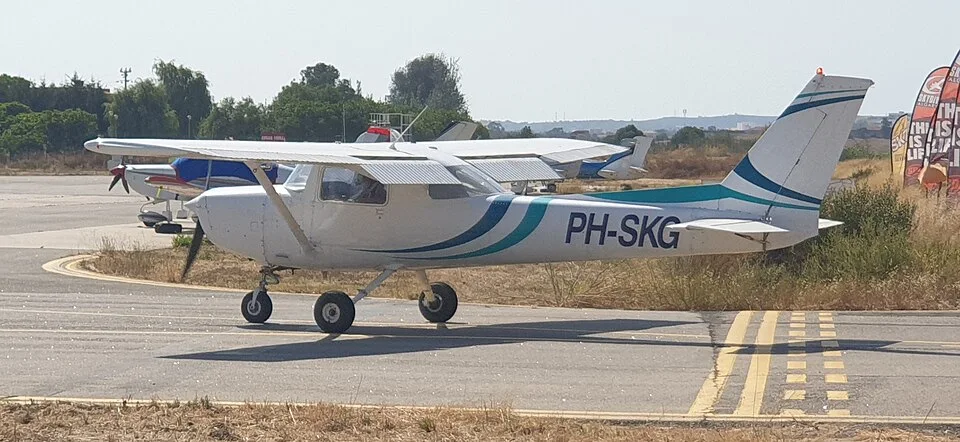

Matching the aircraft and propeller histories
Identify the aircraft model and serial, the installed engine, the propeller designation and any available propeller serial or work records. The O-200-A reference describes the engine installation context, but the engine identity alone cannot select every approved propeller detail.
A propeller may have a maintenance history that differs from the airframe's. A recent airframe inspection or engine overhaul does not by itself describe propeller repair, replacement or alteration. Keep those records associated with the actual component rather than attaching a generic condition claim to the whole aircraft.
Reims scope requires its own evidence
Where an application record names a Reims model, preserve that exact scope. Do not expand a U.S. 150 grouping to every F150 or Aerobat on the basis of a shared O-200 engine. The Reims approval guide explains the separate model check. The useful result is an identified application with its retained conditions; this page does not offer current price, availability or manufacturer-support claims for a particular 69CK configuration.
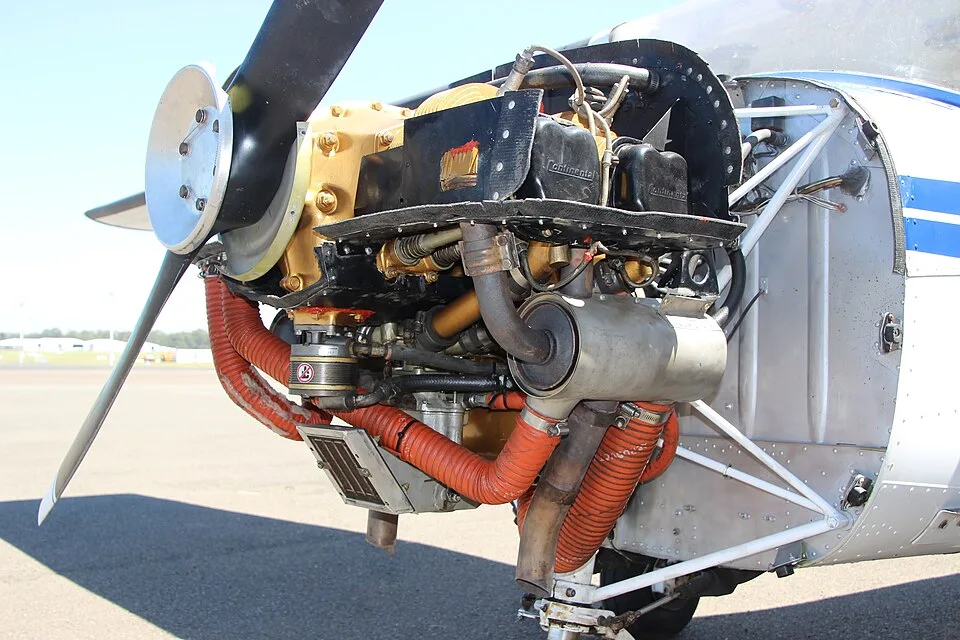

What the manufacturer list actually establishes
Sensenich Installation List 2509 separates the 150-through-150K 69CK application from a later 150L/A150L/150M/A150M STC row using 69CKS12. The cover expressly limits the list to reference use. Use the list number to distinguish it from other editions.
For an installed unit, keep the propeller's full stamping, aircraft engine and approval context together. A row describing a standard, climb or cruise option is not evidence that one of those options is fitted today. The propeller-records guide shows how to connect application research with shop and installation records without treating nominal dimensions as current measurements.