Cessna 150: Design, Flying, Models and Ownership
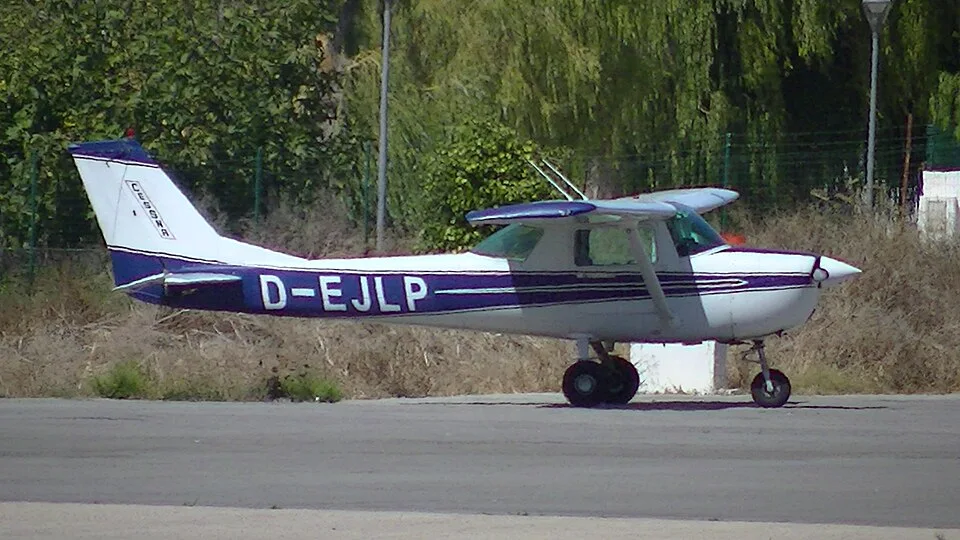
The Cessna 150 is a two-seat, single-engine light airplane built around a high wing, a metal airframe and fixed tricycle landing gear. It became a familiar training aircraft, placing a student and instructor beside each other with conventional flying controls. The same basic arrangement also suits personal flying: a pilot, a companion and baggage, with the load and fuel planned for the particular airplane.


Its story is one of gradual development. Early fastback 150s, later rear-window models, U.S. Aerobats and French-built Reims aircraft belong to a recognizable family, but differ in important ways. This guide explains the aircraft first, then connects its design and flying role to the model references, technical tables and records needed to understand an individual example.

Family at a Glance
Start with the official model and full serial, then follow the applicable configuration. Compare the model identities and check serial exceptions before selecting technical limits.
| Model coverage | 150, 150A, 150B, 150C, 150D, 150E, 150F, 150G, 150H, 150J, 150K, A150K, 150L, A150L, 150M, A150M, F150F, F150G, F150H, F150J, F150K, FA150K, F150L, FA150L, FRA150L, F150M, FA150M, FRA150M, A-150L, A-A150L |
|---|---|
| Documented model years | Model-specific year ranges across U.S., Reims and Argentine identities; see model-year coverage |
| Factory engine families | O-200-A, O-240-A, O-240-E; power and serial conditions |
| Loading and operating limits | Separate certified model groups; current-aircraft loading evidence |
| Buying and maintenance | Prebuy inspection topics and conditional AD research |
Engine Installation Comparison
Aircraft power and RPM below belong to the listed applications. Engine-manufacturer ratings and current installed configuration are separate questions.
| Model | Aircraft installed hp | Aircraft max rpm | Aircraft Families | Primary Source |
|---|---|---|---|---|
| O-200-A | 100 | 2750 | 150/A150; F150/FA150/FRA150; Argentine A-150L/A-A150L | [1] |
| O-240-A | 130 | 2800 | FRA150L; FRA150M; eligible FA150L/FA150M when configured per A13EU kits | [2] |
| O-240-E | 130 | 2800 | FRA150M; eligible FA150M when configured per A13EU kits | [2] |
A Two-Seat Aircraft for Learning and Personal Flying
The 150 marked Cessna's return to the two-seat market after the earlier 120/140 series. The new design brought a nose wheel to that lineage. In a tricycle arrangement, the third wheel is under the nose rather than the tail; the aircraft stands with a lower nose attitude on the ground, giving a different forward view for taxiing. The prototype flew in 1957, certification followed in 1958, and the first production model-year designation was 1959. The full Cessna 150 development history follows the subsequent changes without confusing approval dates with model years.
A training aircraft needs a practical place for two people to work together. Side-by-side seating lets the instructor and student share the instrument panel and see each other's actions. Fixed landing gear and a fixed-pitch propeller also mean that basic lessons do not require landing-gear retraction or propeller-pitch management. These are concrete features of the training layout; they do not make learning to fly automatic or eliminate the need to manage power, airspeed and direction.
Personal use draws on the same layout, with the other seat occupied by a passenger instead of an instructor. The important tradeoff is capacity: a two-seat airplane still has to carry its fuel and baggage within weight and balance limits. For someone considering a first aircraft, understanding that tradeoff is more useful than treating the 150 as either a school airplane only or a miniature transport with unlimited flexibility.
Airframe, Cabin and Controls
The high wing sits above the cabin and is externally braced by a wing strut on each side. The metal fuselage uses semi-monocoque construction: its skin works with internal frames and lengthwise stiffeners to carry loads. In the later 150M, the wings have spars and ribs beneath aluminum skin, and their attachments connect to substantial structure across the cabin. The 150M handbook reference describes that arrangement. It explains why the visible outer skin, wing attachments and internal structure all matter when assessing an aging airframe.
At the tail, the fixed vertical fin and horizontal stabilizer work with the movable rudder and elevator. The ailerons sit toward the outer trailing edges of the wings; flaps are farther inboard. In ordinary control terms, ailerons control roll, the elevator controls pitch and the rudder controls yaw. The pilot's control wheel and pedals connect mechanically to these surfaces. Elevator trim reduces the sustained control force needed for a chosen flight condition. The flight-control guide explains the components behind these familiar cockpit actions.
The cabin has two main seats, with baggage space behind them and a door on each side. It is a shared working space: seat position, shoulder room and the ability to reach the pedals and controls matter as much as a published cabin dimension. The rear-window generation changed the view behind the occupants; subsequent door changes also affected access and shoulder room. A high wing leaves the side windows below it, while the wing, struts and cabin framing still interrupt parts of the outside view. Visibility is therefore a matter of direction and seating position, not an unobstructed panorama.
Cabin comfort cannot be settled by model name alone. Upholstery, seat adjustment, ventilation and installed restraints affect the experience of the actual airplane. The seats and doors guide connects these everyday features to their hardware, while cabin heat has a separate explanation from engine carburetor heat. Seat locking and restraint condition also belong in an inspection, not just a comfort assessment.
The landplane's main wheels remain extended in flight. The nose gear provides steering and a shock strut; the main gear uses spring-steel legs, with the later tubular-leg generation differing from the earlier arrangement. Hydraulic wheel brakes add ground control. This is the familiar stock landplane layout, while seaplane configurations require their own equipment and limits.
For a closer look at how the wing, fuselage, tail and landing gear work together, read the design and construction article. The companion cabin and cockpit article follows the people inside that structure, including the doors, windows, seat position and control layout across important 150 generations.
Continental Power and Everyday Systems
The Continental O-200-A is central to the standard U.S. 150 story. It is a four-cylinder, air-cooled piston engine, with opposing cylinders and a direct connection to the propeller. Its recorded aircraft installation produces 100 hp. A fixed-pitch propeller has blades whose pitch is not adjusted by the pilot in flight; engine power and propeller RPM still change with operating conditions. The Continental O-200-A reference explains the engine, and the installation table above distinguishes it from other factory engine branches.
The cockpit throttle controls power and the mixture control adjusts the fuel-air mixture. The stock carbureted system supplies fuel from the wing tanks by gravity. Carburetor heat changes the induction-air supply to address carburetor icing; it is an engine-system control, distinct from the cabin heater. Dual magnetos supply ignition independently of the main electrical bus. Radios, lights and electric flaps have different electrical needs, so an engine that is running does not by itself establish that every aircraft system has power.
Early 150s use manually operated flaps; the F generation introduced electric flaps. Flaps change the wing's lift and drag characteristics for lower-speed operation. The broad distinction is easy to see from the cockpit, but the motor, relay and flap actuator history requires a closer look. The flap-system guide follows those changes, and electrical systems explains why one wiring description cannot represent the whole production run.
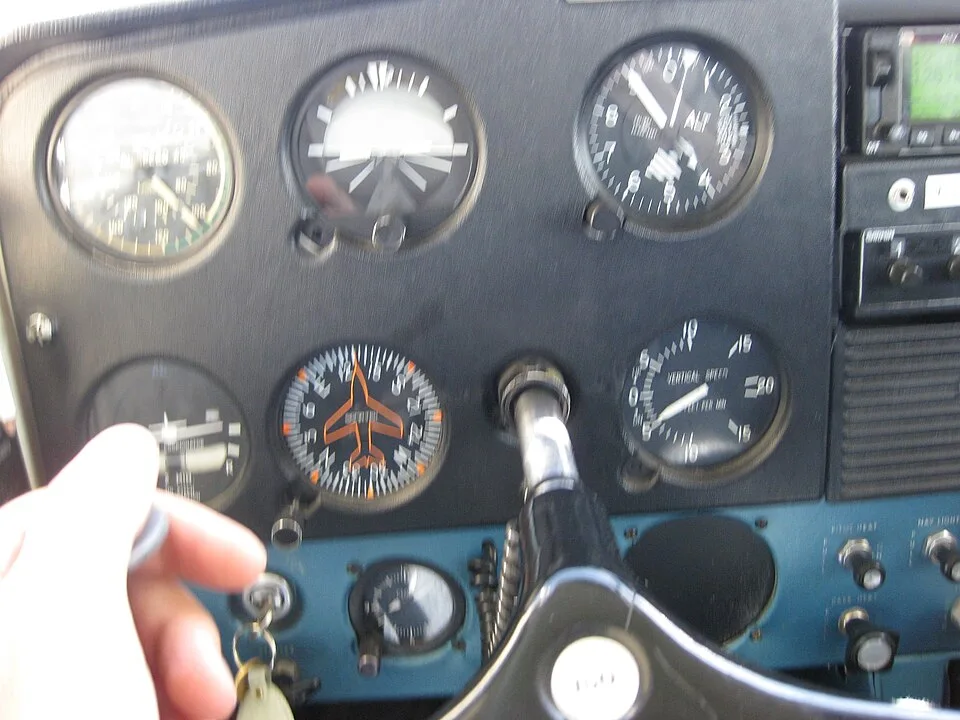
The instrument panel turns the aircraft's behavior into information the pilot can monitor. Airspeed, altitude and vertical speed use the pitot-static system; the tachometer, oil pressure, oil temperature and fuel indications answer engine and fuel questions. Gyroscopic instruments and radios depend on the equipment fitted. The systems overview connects these functions, while the actual panel may combine original instruments with later replacements. A familiar airframe does not guarantee a familiar instrument installation.
Engines, Propellers and Approved Configuration
The engine reference separates aircraft-installed power and RPM from engine-rated values. It preserves the O-200-A and Reims O-240 application contexts, along with the conditions attached to documented conversions. A factory engine group is evidence of eligibility or original configuration, not proof of the engine and accessories now installed.
The propeller guide keeps exact applications, engines, year/configuration conditions, diameter limits and static-RPM ranges together. A basic propeller family or familiar diameter is not enough to establish an approved installation. Seaplane and higher-power Reims applications must be read in their own configuration context.
An STC listing describes eligibility under its stated conditions. Installation requires aircraft-specific evidence, and an installed alteration can affect the appropriate supplements, limitations and maintenance research. Engine and propeller identification, logbooks, approval records and current weight and balance must be reconciled when the question depends on actual equipment.
Systems and Production Transitions
The systems guide covers controls, flaps, gear, brakes, fuel, electrical architecture, ignition, engine controls and cabin systems. Broad factory architecture can coexist with serial-dependent hardware and optional equipment. A common function does not establish identical components or wiring on every aircraft.
Early/later transitions and exact serial breaks have different levels of precision. The model history explains the generation, while a specific effectivity statement narrows the relevant assembly or change. Neither proves the current installation after repairs or alterations. Maintenance and parts research need the actual aircraft and appropriate document relationship.
Flying, Training and Performance in Context
The 150 gives a learner direct experience of coordinating control inputs, setting an attitude, adjusting power and watching the resulting airspeed and flight path. A control wheel does not turn an airplane in the same way that a steering wheel turns a car: banking, rudder coordination and pitch control work together. The connection between these actions and the aircraft's mechanical controls is part of its educational value. Training in a particular 150 brings those relationships together with its own controls, seating position and operating limits.
Takeoff, climb, cruise and approach place different demands on the airplane. For the owner planning a flight, available runway and climb capability can be more consequential than maximum speed. The performance overview separates those questions. Ground roll covers the distance on the runway; distance over an obstacle includes an airborne segment. A service ceiling is a defined performance measure, not a promise of useful climb at every altitude below it.
Airspeed, loading, flap position and atmospheric conditions also belong together. Density altitude helps explain why a hot, elevated airfield can be more demanding than a low, cool one. A modest engine rating makes it especially unhelpful to detach a runway or climb figure from its test conditions. This article explains the relationships; the aircraft's applicable handbook supplies the operating procedures and performance charts.
Performance Without a Generic Family Number
The performance reference groups cruise, climb, ceiling, takeoff, landing and range data by metric and model year. It retains power, altitude, fuel, reserve and obstacle conditions where supplied. A blank condition is not a standard assumption, and a published headline figure is not a complete operational chart.
Ground roll and obstacle distance describe different quantities. Maximum range and cruise range can use different conditions. Stall entries belong to their stated configuration and source basis, while certified speed limits answer different questions. Keeping these meanings separate makes comparisons more useful than choosing one maximum or average for the whole family.
For pilots, the controlling aircraft documentation remains necessary. For buyers, a quoted performance result is not a condition report. For owners comparing model generations, differences in source presentation must be considered alongside aircraft differences. The reference does not predict modified-aircraft performance by scaling a stock result.
The flight-training article connects the two-seat configuration with the family’s instructional role and the loading questions around it. For the aircraft’s motions and flight phases, the flying characteristics explanation links controls, power and configuration with the meaning of the performance figures.

Weight, Fuel and the Space Behind the Seats
Useful load is the difference between the applicable maximum weight and the aircraft's empty weight. Fuel, occupants and baggage compete for that allowance. Two usable seats and room for a bag do not establish that two particular people, their luggage and full tanks fit within the limits. Equipment added over the years can increase empty weight even though the aircraft's model name and maximum weight stay the same.
Where the load sits matters too. Baggage behind the seats affects the center of gravity differently from fuel in the wings. The useful-load explanation connects these quantities without substituting a brochure example for the current aircraft's loading record. Longer-range tanks offer a fuel-capacity option, but they do not remove the tradeoff between fuel and cabin load.
Specifications, Weights and Fuel
The specifications guide separates certified limits from model-year summaries, dimensions and historical changes. A maximum-speed claim is not an airspeed limitation, and a historical empty-weight example is not an aircraft's present empty weight. Read each figure with its units, category and configuration rather than combining attractive values into a generic specification.
The weight-and-balance reference keeps certified groups, CG information, loading stations and datum context together. Landplane, seaplane and Aerobat conditions must remain distinct. Total weight alone cannot establish an acceptable loading condition, and a serial lookup cannot provide the actual empty weight or equipment state of a surviving aircraft.
The fuel-capacity guide distinguishes standard and optional tanks, total and usable quantities, unusable fuel and weight-accounting treatment. A long-range option in a source does not prove installation. A range figure also needs its fuel and reserve basis; usable fuel is not itself a legal reserve or a complete planning assumption.
Model Generations, Aerobats and International Branches
The standard 150 is only one branch of the story. The A150 Aerobat brought a separately certificated Acrobatic model into the family, extending the two-seat concept to aerobatic training and sport flying within its approved limitations. Its identity, restraints and operating documentation matter; a standard 150 does not become an Aerobat through paint or a higher-power engine. The Aerobat article connects the U.S. and French branches.
Reims-built means manufactured in France under the Cessna relationship, not merely registered or flown in France. F150 denotes the standard French line, FA150 the Aerobat branch, and FRA150 a distinct higher-power development with configuration requirements. The Reims guide introduces the identities, while worldwide family history places French and Argentine production alongside the U.S. line. The 150 versus 152 comparison follows the change from the late Continental-powered U.S. 150 to its Lycoming-powered successor.
Understanding the Cessna 150 Family
The official model name is more precise than the family name used in conversation or an advertisement. A public name, a model year and a legal model identity can describe related but different aspects of an aircraft. Keep those meanings separate before comparing figures or choosing a document. The original Model 150 reference illustrates the distinction between the family name and the opening official model.
Historical development includes changes in airframe generation, controls, landing gear, equipment and handbook context. The 150D and 150F references explain two documented development stages, while the 150L demonstrates why a model letter can span multiple model years and internal serial changes. A historical generation is useful context, but exact effectivity still controls a component or document question.
The early fastback models lead into the 150D's Omni-Vision and higher-gross-weight generation. The 150F marks the swept-tail and electric-flap redesign, and the 150L chronology identifies the tubular-main-gear phase. These changes give the model letters practical meaning when comparing airframes or researching assemblies. The model chronology explains the historical sequence; the serial-break records narrow changes that occurred within a model's production. A production milestone establishes original design context, while subsequent repairs and alterations remain part of the individual aircraft's history.
The final standard and Aerobat letter-models retain their separate identities. Read the 150M alongside the A150M to compare the evidence without treating shared year-context data as identical certification. An Aerobat designation is not simply a replacement label for a standard aircraft with similar power or equipment.
Reims and Argentine Aircraft
Reims F150, FA150 and FRA150 models retain their manufacturer and certification relationships. The F150F is the opening Reims identity in the source, while the F150K highlights a serial-format distinction. Neither is simply a U.S. model with an optional prefix. The authority context remains part of technical applicability.
Between those models, the F150G handbook lineage, F150H evidence boundaries and F150J serial and publication context show why adjacent Reims letters should be researched separately. The FA150K starts the documented Reims Aerobat sequence with its own category and handbook conditions. A grouped component application must explicitly include the aircraft being researched; a missing letter is not supplied by interpolation.
The FA150L and FRA150L references explain the role of prescribed configuration conditions. The FRA150M reference also covers its paired FA150M relationship. A qualifying serial does not prove that the relevant kits or engine configuration are installed, and the alternative identities must not be counted as additional physical aircraft.
Argentine A-150L and A-A150L identities remain distinct from similarly named U.S. models. The ANAC source reference distinguishes exact identifier pairs from endpoint-only blocks. A mapping connects records at its stated precision; it does not establish an approved flight manual, current configuration or an unprinted intermediate pair.
Owning and Buying a Cessna 150
For an owner, the aircraft's history continues after the production line. Training use, private flying, storage, repairs and alterations can leave very different records and conditions in aircraft of the same model year. A well-organized ownership file connects the present engine, propeller, equipment and weight and balance with that history. The design's relatively straightforward layout does not remove the need to inspect and maintain its structure and systems.
A purchase is therefore both a mission decision and an aircraft-specific investigation. First consider cabin fit, expected occupants, baggage and the kind of flying intended. Then use the buying guide and an appropriately scoped prebuy inspection to investigate the candidate. Engine condition, corrosion, repairs, seat hardware and records can matter more to the purchase than choosing a later model letter by itself. No universal hourly cost or purchase-price ranking follows from the family designation.
Airworthiness Directives and Known Issues
The AD reference retains recorded current and historical status, supersession, recurring/event context and installed-product conditions. An airframe model alone is not a complete AD review. Engine, propeller, appliance, STC and jurisdiction conditions can all matter, and applicability is distinct from compliance.
The known-issues guide explains documented concerns such as structural, seat, control, exhaust, fuel and configuration-specific topics. A concern is not a confirmed defect. Its affected scope, failure mode, detection context and legal/OEM status must remain together so that an advisory, service bulletin or manufacturer inspection topic is not automatically presented as an AD.
For owners and buyers, these pages organize questions to investigate. For mechanics, the controlling documents and aircraft evidence determine the relevant action. A historical record can help explain maintenance lineage without proving current status, and a source priority label cannot replace an inspection of the individual aircraft.
Finding the Right Technical Answer
The compact specifications overview is useful for understanding what a figure describes. When the question becomes specific, use the exact aircraft's model, full serial number and installed configuration. The reference sections below retain the distinctions needed to move from a general understanding of the 150 to its deeper technical records.
Serial Numbers, Model Years and Exceptions
A serial is an identifier in a particular namespace, not a universal date code. Preserve prefixes, hyphens and leading zeros. U.S., Reims and Argentine identifiers cannot be merged by comparing only their numeric portions. Model year is also distinct from manufacture, delivery and registration dates; aircraft-level records are needed when the question concerns those events.
The special-serial table must be read before assigning a model from an interval. The 150G reference explains why an ordinary-looking range can contain an excluded identity, while the A150L reference preserves an exception assigned to the later family. A mathematically convenient match must not override explicit certification evidence.
For buyers and owners, serial consistency is an early records-research question. It can connect the aircraft to a production model and candidate publications. It cannot reconstruct ownership, title, delivery history or installed equipment. Unresolved identities or dates should remain questions to investigate rather than be filled with assumptions from a nearby aircraft.
Manuals, Sources and the Evidence Trail
The manuals guide separates owner manuals, flight handbooks, maintenance manuals, parts catalogs, service information and aircraft-specific records. Publication number, revision, date, effectivity and operational status are independent fields. An adjacent-year handbook or a technically similar Reims/Argentine mapping is not automatically the controlling aircraft document.
The technical document library connects publications with the models and subjects they cover. For aircraft use, identify the applicable handbook, amendments and supplements alongside the current equipment and records.
What Can the Aircraft Serial Prove?
It can establish or narrow documented identity and production applicability when the relevant source relationship is explicit. It cannot prove installed equipment, STC installation, AD compliance, present condition, actual empty weight or complete maintenance history. Those conclusions require aircraft-specific records and, where appropriate, inspection.
Use these references to move between the relevant technical subjects while retaining those distinctions. A useful aircraft reference makes uncertainty visible and explains the next evidence needed. It does not turn a family resemblance or a convenient serial match into a certainty about an individual airplane.
The Cessna 150 Legacy
The 150's lasting place in aviation comes from combining a two-person training cockpit with a practical personal airplane, then developing that idea across many model generations. Its legacy includes the familiar standard trainer, the Aerobat branch, international manufacture and the later 152. Those relationships explain why two aircraft called a Cessna 150 can share a recognizable character while presenting different ownership and technical questions.
For a prospective pilot or owner, its continued relevance lies in that understandable scale: two main seats, conventional controls and systems whose purpose can be followed from the cockpit to the airframe. Suitability still depends on the people, the mission and the individual aircraft. Continue with the 150 model guide for a particular generation or the Cessna 152 article to explore how the successor developed the same basic role.