Cessna 150 and 152 Specifications: Dimensions, Weights and Fuel
Cessna 150 and 152 specification research separates dimensions, weight limits and fuel quantities. Start with the question and the exact model: a certified limit, a published example and an individual aircraft record describe different things. The guides below explain those distinctions and lead to the detailed family evidence.
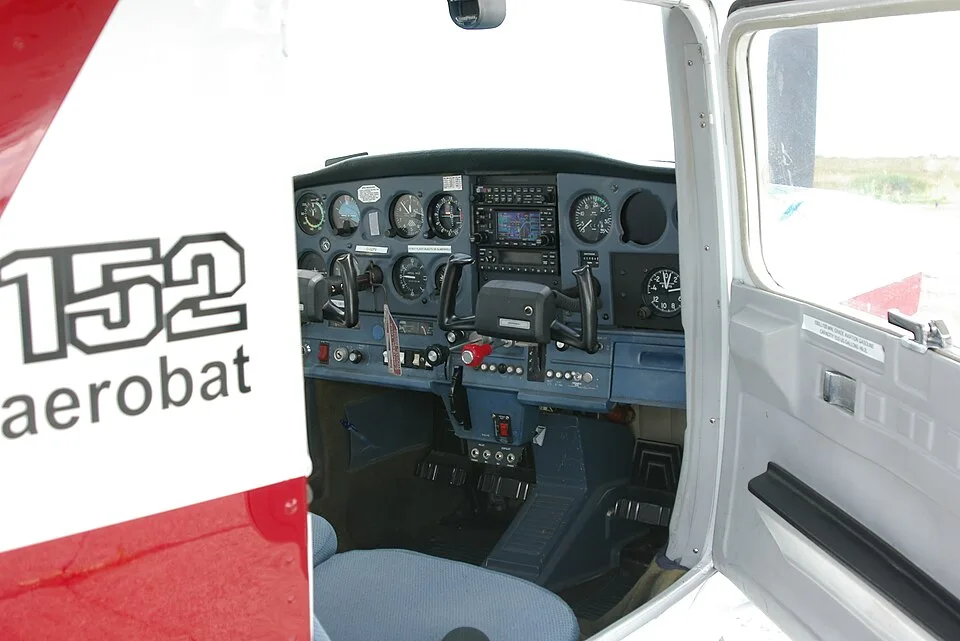

Dimensions and equipment
The dimension guide combines wingspan, wing area, length and height because the configuration evidence belongs together. Wingtip, strobe, spinner and other qualifications explain why one family-wide geometry claim is insufficient. Use the actual aircraft's equipment when considering storage clearance.
Weight and loading
The weight guide separates maximum weights from empty-weight examples and retains category and configuration. The useful-load reference explains why current aircraft records are needed before subtracting empty weight or allocating fuel and payload. Total weight does not replace a center-of-gravity check.
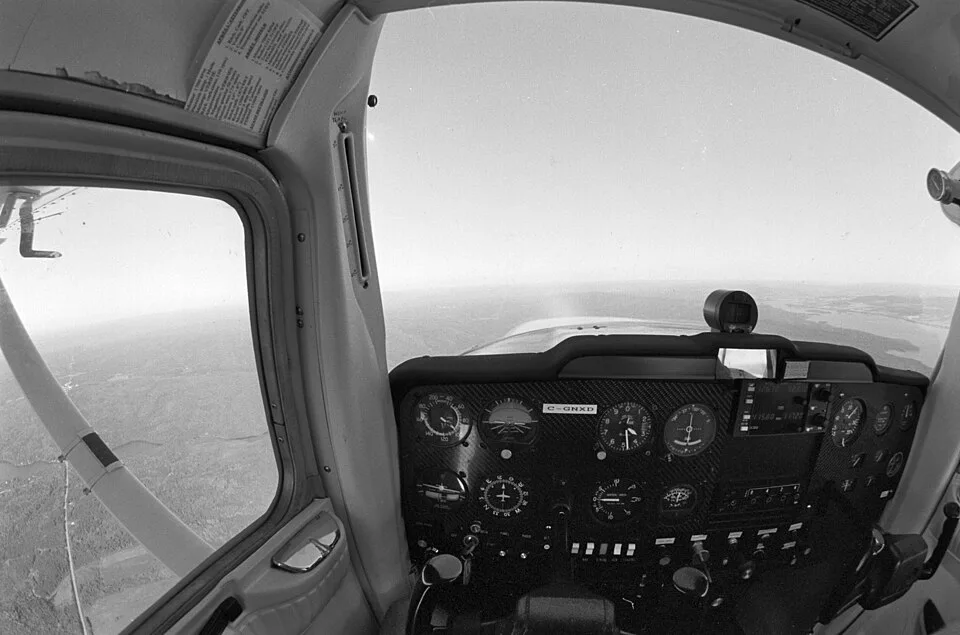

Fuel quantities
The fuel-capacity guide keeps total, usable and unusable quantities distinct. Standard tanks with the same total capacity can have different usable amounts in the recorded configurations. Larger tanks also introduce a loading choice, not an automatic mission advantage.
Return to the exact model
The 150 specifications and 152 specifications provide their broader family context. Use the model index before extending a specification to a standard aircraft, Aerobat, French-built model or modified installation.
Keep the specification’s units, model, configuration and publication context together when recording a comparison. Missing operating conditions need to be resolved before the figure can answer an aircraft-specific question. For operational use, obtain the applicable aircraft documents and supplements rather than treating a historical comparison as a controlled specification for an individual aircraft.
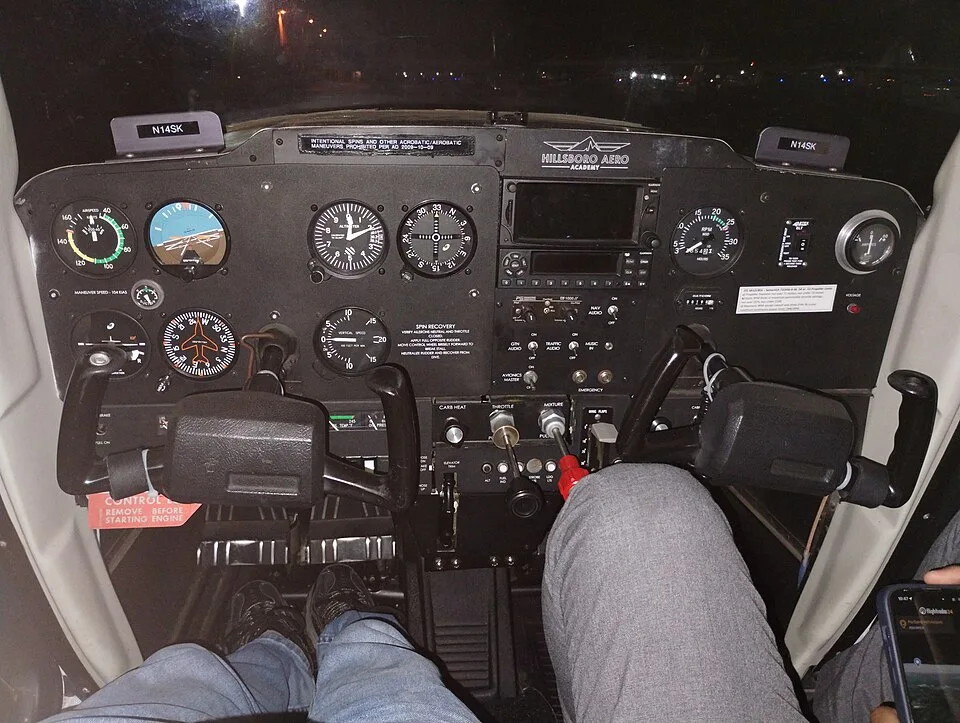

Keep Weight, Dimensions and Fluids in Context
Gross weight, empty weight and useful load answer related but different loading questions. Use the weight guide for the limits and examples, then the ownership guide for the aircraft’s current loading records. Wingspan, length and height likewise need equipment and configuration context when assessing hangar clearance. Oil capacity requires the exact engine and aircraft treatment, including whether oil is already included in the stated empty weight. Keep these definitions with the figures rather than combining values from unrelated configurations.
Compartment limits deserve a separate check: the baggage guide explains early limits, later loading areas and the combined allowance.
Explore this topic
- Cessna 150 and 152 Dimensions: Wingspan, Length and Height - Compare dimension records by year and configuration, including wingtip, strobe, spinner and nose-strut qualifications.
- Cessna 150 and 152 Weights: Gross, Empty, Ramp and Landing - Distinguish certified weight limits from published empty weights and the actual useful load of an individual aircraft.
- Cessna 150 and 152 Fuel Capacity: Total, Usable and Long-Range Tanks - Compare documented standard, long-range and seaplane fuel configurations without confusing total tank volume with usable fuel.
- Cessna 150 and 152 Baggage Limits: Areas, Arms and Combined Loads - Compare baggage stations, early 80 lb limits and later area limits without confusing compartment capacity with available payload.