Cessna 150 Specifications and Certified Limits
Cessna 150 specifications depend on model, model year and configuration. A published maximum speed, a certified airspeed limit, an empty-weight example and a maximum takeoff weight are different kinds of information. This reference keeps those meanings separate so that a comparison does not turn an attractive headline number into an aircraft limitation.
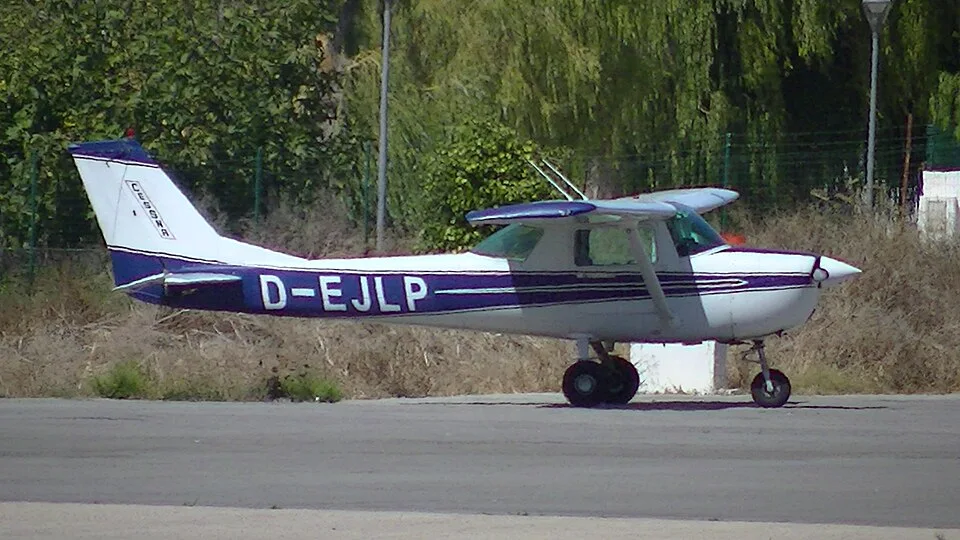

For focused questions across the two families, use the specifications topic guide. This Cessna 150 reference retains the detailed family records and their applicability.
Begin with the model guide and serial identification reference. The tables below preserve their stated applicability, units and source context. They are useful for comparing documented configurations and locating the relevant authority. They cannot establish the present equipment, weight or approved alterations of an individual aircraft.
Certified Speed and Weight Limits
The certified-limit groups organize related U.S. models without pretending that all aircraft in the family share one envelope. Read the model list and category before the numeric columns. Where a group has separate landplane and seaplane values, the seaplane entry belongs to that approved configuration. It is not extra weight allowance for an ordinary landplane.
Vne, Vno, Va and Vfe describe different limits. A maximum-speed performance claim is not a replacement for any of them. The speed-basis field matters because indicated and calibrated values should not be silently mixed. Preserve the units printed with the value, especially when comparing a handbook written primarily in miles per hour with another reference using knots.
The maximum-weight columns also need their labels. Ramp, takeoff and landing weights describe different conditions and must not be collapsed into a generic gross-weight number. The weight-and-balance guide places these limits beside CG and loading information. Meeting a total-weight limit alone does not demonstrate that a loading arrangement is within the applicable envelope.
| Models | Category | Speed Basis | Vne | Vno | Va | Vfe | MTOW Land lb | MTOW Sea lb | Baggage lb | Source |
|---|---|---|---|---|---|---|---|---|---|---|
| 150/150A/150B/150C | Utility | CAS | 136 kt / 157 mph | 104 kt / 120 mph | 92 kt / 106 mph | 74 kt / 85 mph | 1500 | - | 80 | [1] |
| 150D/150E/150F | Utility | CAS | 141 kt / 162 mph | 104 kt / 120 mph | 95 kt / 109 mph | 87 kt / 100 mph | 1600 | - | 120 | [1] |
| 150G/150H/150J/150K | Utility | CAS | 141 kt / 162 mph | 104 kt / 120 mph | 95 kt / 109 mph | 87 kt / 100 mph | 1600 | 1650 | 120 | [1] |
| A150K | Acrobatic | CAS | 168 kt / 193 mph | 122 kt / 140 mph | 103 kt / 118 mph | 87 kt / 100 mph | 1600 | - | 120 | [1] |
| 150L | Utility | CAS | 141 kt / 162 mph | 104 kt / 120 mph | 95 kt / 109 mph | 87 kt / 100 mph | 1600 | - | 120 | [1] |
| A150L | Acrobatic | CAS | 168 kt / 193 mph | 122 kt / 140 mph | 103 kt / 118 mph | 87 kt / 100 mph | 1600 | - | 120 | [1] |
| 150M | Utility | CAS | 141 kt / 162 mph | 104 kt / 120 mph | 95 kt / 109 mph | 87 kt / 100 mph | 1600 | - | 120 | [1] |
| A150M | Acrobatic | CAS | 168 kt / 193 mph | 122 kt / 140 mph | 103 kt / 118 mph | 85 kt | 1600 | - | 120 | [1] |
Published Model-Year Specifications
The model-year summaries retain the year attached to each source. They include performance headlines, dimensions, weights and equipment context that can help explain how published descriptions differ. A secondary summary remains a secondary summary even where its values resemble a certified figure. Its role is comparison and research, not replacement of a current aircraft flight manual.
Empty weight deserves particular care. A published example describes the aircraft or standard represented by that source. It does not establish the empty weight of an aircraft with different radios, paint, equipment, repairs or alterations. The actual aircraft's current weight-and-balance report is needed before deriving useful load or evaluating a loading case. Buyers should avoid subtracting a historical brochure weight from a certified maximum and treating the result as their aircraft's available payload.
The performance page keeps cruise, climb, takeoff, landing and range conditions together. When a model-year summary omits a condition, the omission is a limit of the published summary. It is not permission to assume sea level, a particular power setting, a fuel reserve or a runway condition. Compare like with like and return to the source when the conditions are incomplete.
| Year | Model(s) | Max Speed | Cruise | ROC SL | Ceiling | Published Gross / MTOW | Published Empty Weight | Baggage | Notes | Source |
|---|---|---|---|---|---|---|---|---|---|---|
| 1959 | 150 | 124 mph | 121 mph @70% / 9000 ft | 740 fpm | 15,300 ft | 1500 lb | 962 lb | 80 lb | Published secondary model-year summary. | [1] |
| 1960 | 150 | 124 mph | 121 mph @70% / 9000 ft | 740 fpm | 15,300 ft | 1500 lb | 946 Std; 953 Patroller | 80 lb | Detailed secondary page. | [2] |
| 1961 | 150A | 124 mph | 121 mph @70% / 9000 ft | 740 fpm | 15,300 ft | 1500 lb | 950 Std; 955 Patroller | 80 lb | Detailed secondary page. | [3] |
| 1962 | 150B | 127 mph | 125 mph, source condition conflict retained | 760 fpm | 15,600 ft | 1500 lb | 945 Std; 950 Patroller | 80 lb | Takeoff 50 ft and cruise-condition conflict flagged. | [4] |
| 1963 | 150C | 127 mph | 125 mph @75% / 7500 ft | 760 fpm | 15,600 ft | 1500 lb | 950 Std; 955 Patroller | 80 lb | Detailed secondary page. | [5] |
| 1964 | 150D | 125 mph | 122 mph @75% / 7500 ft | 670 fpm | 12,650 ft | 1600 lb | 970 Std; 975 Patroller; 990 Trainer; 1010 Inter-City | 120 lb | Manufacturer Owner's Manual data. | [6] |
| 1965 | 150E | 125 mph | 125 mph @75% / 7500 ft | 670 fpm | 12,650 ft | 1600 lb | 970 Std; 1010 Commuter | 120 lb | Detailed secondary page. | [7] |
| 1966 | 150F | 123 mph | 120 mph @75% / 7500 ft | 670 fpm | 12,650 ft | 1600 lb | 970 Std; 1060 Commuter | 120 lb | Detailed secondary page. | [8] |
| 1967 | 150G | 123 mph; 125 Commuter | 120 mph @75% /7500; 122 Commuter | 670 fpm | 12,650 ft | 1600 lb | 975 Std; 1060 Commuter | 120 lb | Detailed secondary page. | [9] |
| 1968 | 150H | 122 mph | 117 mph @75% /7000 ft | 670 fpm | - | 1600 lb | - | - | A blank field means no value is provided here. | [10] |
| 1969 | 150J | 122 mph; 125 Commuter | 117 mph @75% /7000 ft | 670 fpm | 12,650 ft | 1600 lb | 975 Std; 1060 Commuter | 120 lb | Detailed secondary page. | [11] |
| 1970 | 150K/A150K | 122 mph; 125 Commuter | 117 mph @75% /7000 ft | 670 fpm | 12,650 ft | 1600 lb | 975 Std; 1060 Commuter | 120 lb | A150 certification limits stored separately. | [12] |
| 1971 | 150L/A150L | 122 mph | 117 mph @75% /7000 ft | 670 fpm | 12,650 ft | 1600 lb | 975 Std; 1060 Commuter | 120 lb | Detailed secondary page. | [13] |
| 1972 | 150L/A150L | 122 mph | 117 mph @75% /7000 ft | 670 fpm | 12,650 ft | 1600 lb | - | 120 lb | Empty-weight line not established, not inferred. | [14] |
| 1973 | 150L/A150L | 122 mph | 117 mph @75% /7000 ft | 670 fpm | 12,650 ft | 1600 lb | 990 Std; 1010 Trainer; 1060 Commuter; 1040 Aerobat | 120 lb | Detailed secondary page. | [15] |
| 1974 | 150L/A150L | 122 mph | 117 mph @75% /7000 ft | 670 fpm | 12,650 ft | 1600 lb | 995 Std; 1060 Commuter | 120 lb | Detailed secondary page. | [16] |
| 1975 | 150M/A150M | - | - | - | - | 1600 lb | - | 120 lb | Use the applicable D1033-13 handbook for performance figures. | [17] |
| 1976 | 150M/A150M | 109 kt | 106 kt @75% /7000 ft | 670 fpm | - | 1600 lb | 1104 Commuter; 1076 Aerobat | 120 lb | Long-range fuel source typo excluded and logged. | [18] |
| 1977 | 150M/A150M | 109 kt | 106 kt @75% /7000 ft | 670 fpm | 14,000 ft | 1600 lb | 1104 Commuter; 1076 Aerobat | 120 lb | Detailed secondary page. | [19] |
- [1] 1959 model-year specification page
- [2] 1960 model-year specification page
- [3] 1961 model-year specification page
- [4] 1962 model-year specification page
- [5] 1963 model-year specification page
- [6] 1964 150 Owner's Manual
- [7] 1965 model-year specification page
- [8] 1966 model-year specification page
- [9] 1967 model-year specification page
- [10] 1968 model-year specification page
- [11] 1969 model-year specification page
- [12] 1970 model-year specification page
- [13] 1971 model-year specification page
- [14] 1972 model-year specification page
- [15] 1973 model-year specification page
- [16] 1974 model-year specification page
- [17] 1975 model-year specification page
- [18] 1976 model-year specification page
- [19] 1977 model-year specification page
Dimensions and Configuration Effects
Dimensions are not always one fixed set of numbers for an entire model designation. The documented configuration notes identify where equipment or aircraft condition can affect a reported dimension. A spinner, a particular configuration or the condition assumed for measurement can matter. Preserve those notes when comparing length, height, propeller clearance or hangar fit.
The year/configuration label is the applicability field for this table. It must not be replaced by a free-text search through the source title or by assuming that every dimension from one year applies to all later aircraft. Where there is no supported Reims or Argentine relationship, the table does not fill the gap with a U.S. value. A missing entry is a research boundary rather than a zero dimension.
For an owner evaluating storage or equipment changes, the published dimensions provide context. The actual aircraft and its approved configuration remain the practical reference. For a mechanic, a dimensional similarity is not evidence that two parts or assemblies are interchangeable. Parts applicability requires the appropriate catalog effectivity and alteration history.
| Year/Config | Span | Wing Area | Length | Height | Configuration Note | Source |
|---|---|---|---|---|---|---|
| 1959 150 | 33 ft 4 in | 160 sq ft | 21 ft | 6 ft 11 in | - | [1] |
| 1964 150D | 33 ft 6 in | 160 sq ft | 21 ft 7 in std spinner | up to 7 ft 10 in | Bullet spinner and beacon/nose-strut condition affect dimensions. | [2] |
| 1966 150F | 32 ft 8.5 in | 157 sq ft | 23 ft | 8 ft 9 in | - | [3] |
| 1969 150J | 32 ft 8.5 in | 157 sq ft | 23 ft | 8 ft 7.5 in | - | [4] |
| 1971 150L | 32 ft 8.5 in | 157 sq ft | 23 ft 3 in | 8 ft 7.5 in | - | [5] |
| 1973-74 150L | 32 ft 8.5 in | 157 sq ft | 23 ft 9 in | 8 ft | - | [6] |
| 1976-77 150M | 33 ft 2 in | 159.5 sq ft | 23 ft 11 in | 8 ft 6 in | - | [7] |
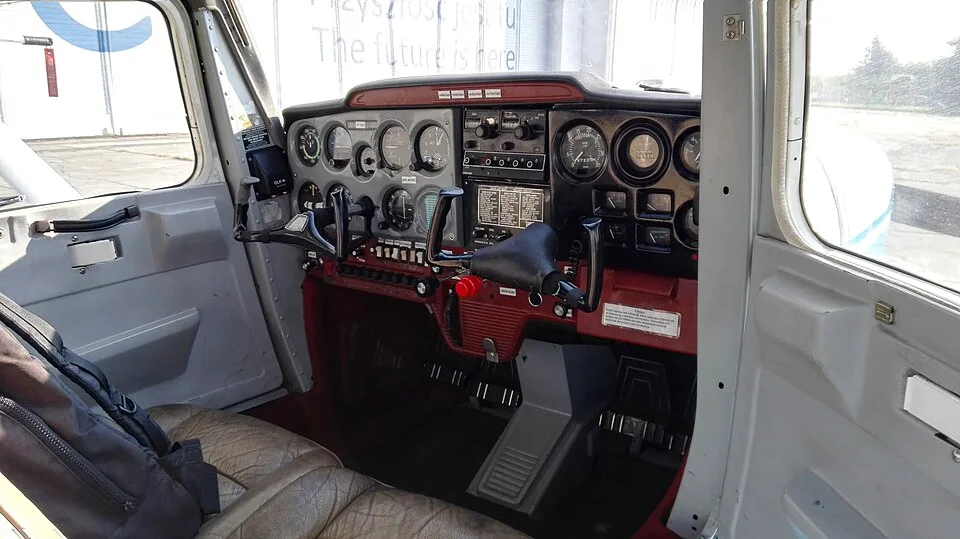

Serial-Break Changes Within a Model
A serial-break entry describes a change at a stated trigger. It can matter even when the official model designation remains the same. That makes a serial-specific record more precise than a general statement that a feature appeared in an early or late version. Read the change, affected system and effectivity together before connecting it to an aircraft.
Some changes concern factory architecture; others describe optional equipment eligibility. Eligibility for an option does not establish its installation. The distinction is especially important when a record mentions heavy-duty equipment, a float configuration or another approved alternative. Aircraft records and the installed assembly must resolve the actual configuration.
The systems reference provides context for production transitions, while the engine and propeller references retain their own application conditions. A change in one system does not automatically change every other specification. The serial is a relational key for research, not a universal switch that assigns one complete specification package.
| Year | Model | Serial Trigger | Change | Effectivity | System | Source |
|---|---|---|---|---|---|---|
| 1960 | 150 | 17770 | Larger fuel supply lines | 17770 and on | Fuel | [1] |
| 1961 | 150A | 15059119 | Cleveland wheels and brakes replace Goodyear | 15059119 and on | Landing gear/brakes | [2] |
| 1962 | 150B | 15059380 | Landing gear attachment changed | 15059380 and on | Structure | [3] |
| 1964 | 150D | 15060477 | Optional heavy-duty nose gear eligibility noted | 15060477 and on | Landing gear | [4] |
| 1966 | 150F | 15061640 | New engine mount and doublers | 15061640 and on | Engine mount/structure | [5] |
| 1970 | 150K | 15071711 | Spinner changed | 15071711 and on | Propeller/spinner | [6] |
| 1973 | 150L | 15073080 | Inside door handle dual detent | 15073080 and on | Cabin | [7] |
| 1973 | 150L | 15074397 | Flasher bulb increased to 125 W | 15074397 and on | Electrical | [7] |
| 1973 | 150L | 15074404 | Nose wheel changed to steel flange | 15074404 and on | Landing gear | [7] |
| 1973 | 150L | 15074510 | Main wheel changed to steel flange | 15074510 and on | Landing gear | [7] |
Major Changes and Historical Interpretation
Major model-year changes explain the broader development of the family. Historical terms such as a cabin generation, a tail redesign or a landing-gear change can help readers understand why adjacent models look or operate differently. These descriptions should remain tied to the cited model and year rather than becoming a generic narrative applied to every aircraft carrying the Cessna 150 name.
A historical change description is also a different evidence class from a current operating limit. It can explain the context of a model comparison without proving that a surviving aircraft still has all original features. Repairs and alterations may affect the present aircraft. Compare the historical account with the identity, serial and records rather than using appearance to decide which manual applies.
| Year | Model | Major Change | Serial Specific? | Source |
|---|---|---|---|---|
| 1959 | 150 | Initial production model; Standard, Trainer and Commuter versions | No | [1] |
| 1960 | 150 | Patroller option with long-range tanks, lower-door window and message chute | No | [2] |
| 1961 | 150A | Rear window enlarged, main gear moved aft, panel/control-column redesign | Partly | [3] |
| 1962 | 150B | Contoured tips/nav-light fairings, new propeller, child-seat option | Partly | [4] |
| 1964 | 150D | Omni-Vision rear window, gross-weight and baggage increases | Partly | [5] |
| 1966 | 150F | Swept vertical stabilizer, wider/deeper doors, electric flaps, enlarged baggage | Partly | [6] |
| 1967 | 150G | Alternator, wider cabin, heating/defroster changes, optional floats | No | [7] |
Standard, Aerobat and Seaplane Comparisons
Standard and Aerobat identities can share some figures while retaining different certification categories and conditions. Similar numeric entries should not cause their applicability groups to merge. Keep the official model and the category visible when transferring a figure into a comparison or research note. A maneuvering or loading question requires the controlling documentation for the actual aircraft.
Seaplane data is particularly vulnerable to accidental generalization. A higher approved weight or different fuel figure applies only with its documented configuration and approval basis. It does not upgrade a landplane by association. The fuel guide and loading reference explain how configuration affects the meaning of apparently familiar capacity and weight figures.
Reims and Argentine aircraft need their own identity relationships. A common engine family or visual resemblance does not prove that a U.S. certified-limit group can be transferred to them. Where a relationship has not been established, this reference retains the distinction and points the reader toward the appropriate aircraft and authority records.
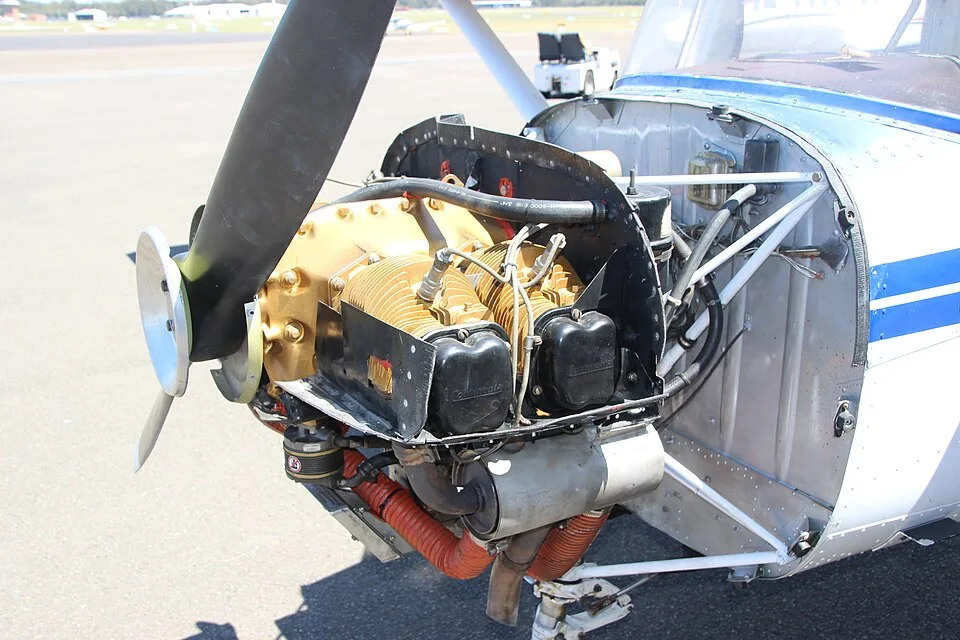

How to Investigate Conflicting Specifications
First identify what each source is actually describing: a certified limit, a handbook performance result, a standard-equipment example or a secondary model summary. Then compare model, year, serial, configuration, units and stated conditions. Apparent contradictions often cannot be resolved by comparing the numbers alone because the numbers refer to different questions.
Do not average conflicting values or select the more favorable figure. Preserve the source conditions and establish which document controls the intended use. For operating or maintenance work, the exact aircraft and current applicable documentation matter. For historical comparison, it may be appropriate to retain more than one published figure with an explanation of their different contexts.
Which specification should a buyer trust for useful load?
The aircraft's current weight-and-balance documentation is necessary to establish its actual empty weight and loading basis. Published examples help compare historical configurations, but they do not account for the equipment and alterations on a specific aircraft. The maximum weight must also match the approved configuration.
Can the serial number identify every specification?
It can narrow the production and type-design applicability. It cannot inventory the current aircraft. Engine and propeller identification, installed equipment, supplements, alteration records and maintenance history may all be needed to resolve a particular technical question. Use the Cessna 150 reference to move between these subjects while preserving their separate evidence requirements.
Following One Difference Through the Evidence
A useful comparison follows a documented change through the appropriate fields instead of stopping at a larger number. The early certified group and the later airframe generations differ in their source-qualified weight context. That difference matters to loading research, but it does not establish the useful load of an individual aircraft. The actual empty-weight record remains necessary, and a change in maximum weight cannot erase the associated CG and item limits.
A dimensional comparison requires a different path. The model-year source can describe a particular spinner or configuration condition, so an apparent difference in length or height may not represent an unqualified structural difference between every aircraft in the two groups. Preserve the configuration note before drawing a conclusion about storage, clearance or model development. A parts question would then require catalog effectivity rather than the dimensional summary alone.
Finally, follow a serial-specific equipment change only into the system it actually describes. A documented wheel, spinner or cabin change does not automatically reassign all performance, engine and loading values. The value of structured technical relationships is their precision: they let the reader connect an exact change to a relevant question without turning a narrow source statement into a complete new aircraft specification.
For storage-space research, the cross-family dimensions guide brings the published span, length and height records together with their equipment conditions. Use it to identify the relevant configuration before comparing a hangar opening with the actual aircraft.
Explore the Applicable Model References
Follow the aircraft identity before applying a technical figure. Each model reference preserves its own serial ranges and supported relationships; missing exact relationships are left unresolved rather than inherited from another model.
- Cessna 150 (150) - 1959-1960
- Cessna 150A (150A) - 1961
- Cessna 150B (150B) - 1962
- Cessna 150C (150C) - 1963
- Cessna 150D (150D) - 1964
- Cessna 150E (150E) - 1965
- Cessna 150F (150F) - 1966
- Cessna 150G (150G) - 1967
- Cessna 150H (150H) - 1968
- Cessna 150J (150J) - 1969
- Cessna 150K (150K) - 1970
- Cessna A150K Aerobat (A150K) - 1970
- Cessna 150L (150L) - 1971-1974
- Cessna A150L Aerobat (A150L) - 1971-1974
- Cessna 150M (150M) - 1975-1977
- Cessna A150M Aerobat (A150M) - 1975-1977
- Reims/Cessna F150F (F150F) - 1966
- Reims/Cessna F150G (F150G) - 1967
- Reims/Cessna F150H (F150H) - 1968
- Reims/Cessna F150J (F150J) - 1969
- Reims/Cessna F150K (F150K) - 1970
- Reims/Cessna FA150K Aerobat (FA150K) - 1970
- Reims/Cessna F150L (F150L) - 1971-1974
- Reims/Cessna FA150L Aerobat (FA150L) - 1971
- Reims/Cessna FRA150L Aerobat (FRA150L) - 1972-1974
- Reims/Cessna F150M (F150M) - 1975-1977
- Reims/Cessna FRA150M Aerobat (FRA150M) - 1975-1977
- AMC / Argentine Cessna A-150L (A-150L) - 1972-1973
- AMC / Argentine Cessna A-A150L Aerobat (A-A150L) - 1972-1973