Cessna 150 and 152 Performance: Compare the Conditions
Performance research begins by choosing the question. Cruise speed, range, climb rate and runway distance measure different aspects of an aircraft's capability. A single headline figure cannot answer all of them, and a model comparison becomes misleading when it mixes incompatible conditions.
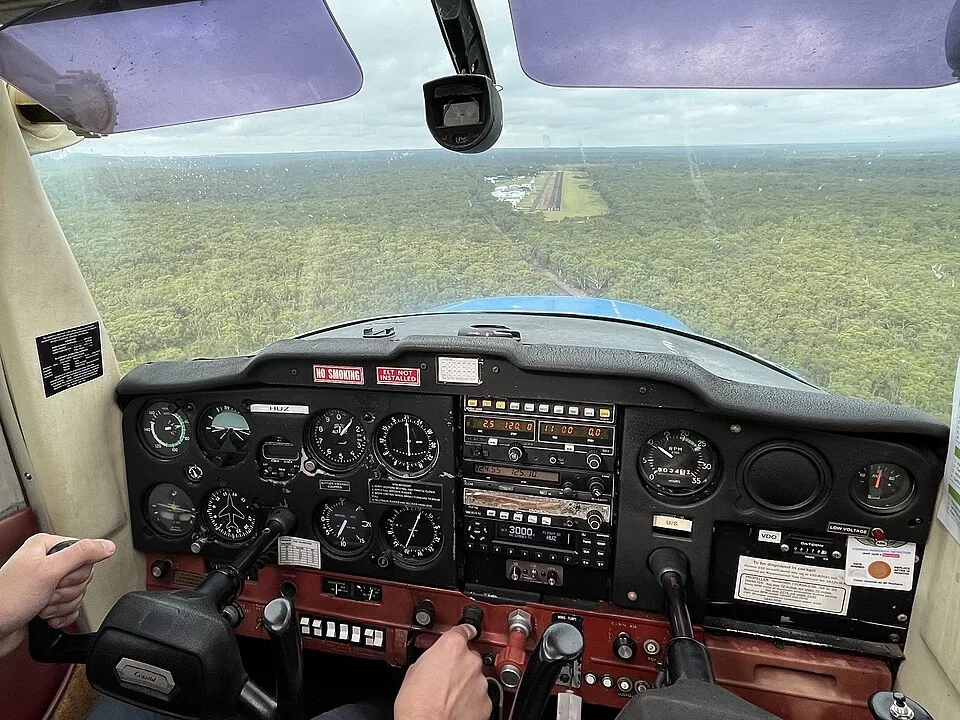

Choose the relevant performance measure
Use the focused references below to find the source records and their limitations. Cruise speed keeps power, altitude and units visible. Range preserves tank and reserve distinctions. Climb rate and service ceiling answer different altitude-performance questions.
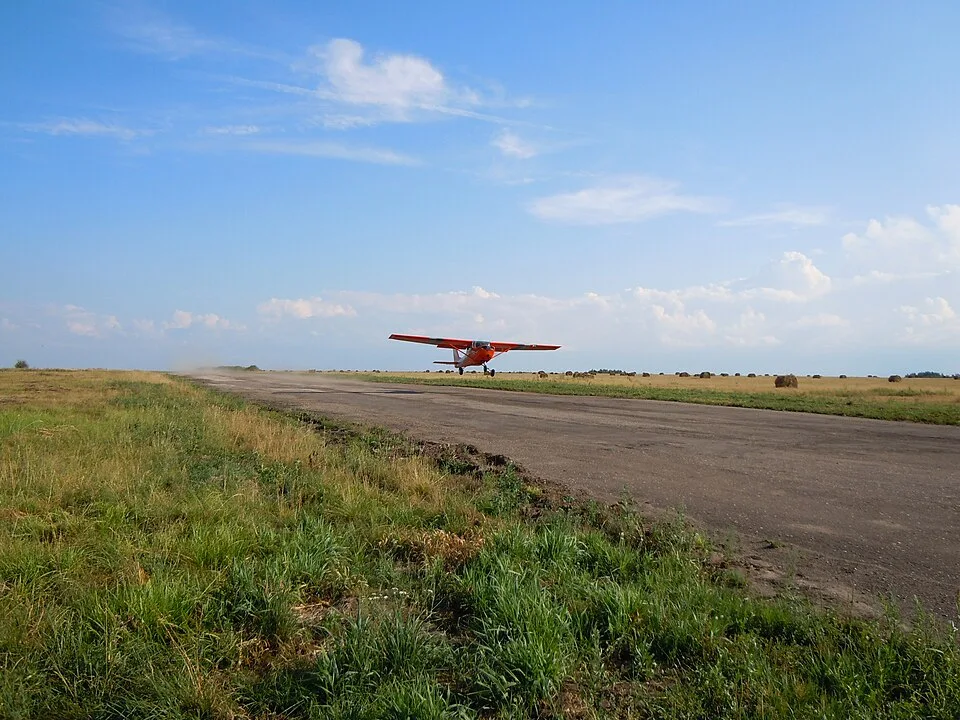

Runway measurements need their own basis
Takeoff distance separates ground roll from obstacle clearance. Landing distance makes the same measurement distinction for the arrival. Do not compare a roll figure on one side with a total obstacle distance on the other.
Historical evidence and today's aircraft
The Cessna 150 family reference and Cessna 152 family reference retain the broader historical series. Published model-year specifications are useful research evidence, but the actual aircraft needs its applicable handbook, supplements and current configuration information.
Missing source conditions remain unresolved. The site does not infer fuel burn or endurance from a range headline, and it does not assign U.S. figures to Reims variants without explicit support. Aircraft loading, installed equipment and operational conditions must be established before using performance information for a flight.
For a purchase decision, connect this research with useful load and the buying guide. The aim is to compare the intended mission under compatible documented assumptions, rather than select the most favorable number from several unrelated configurations.
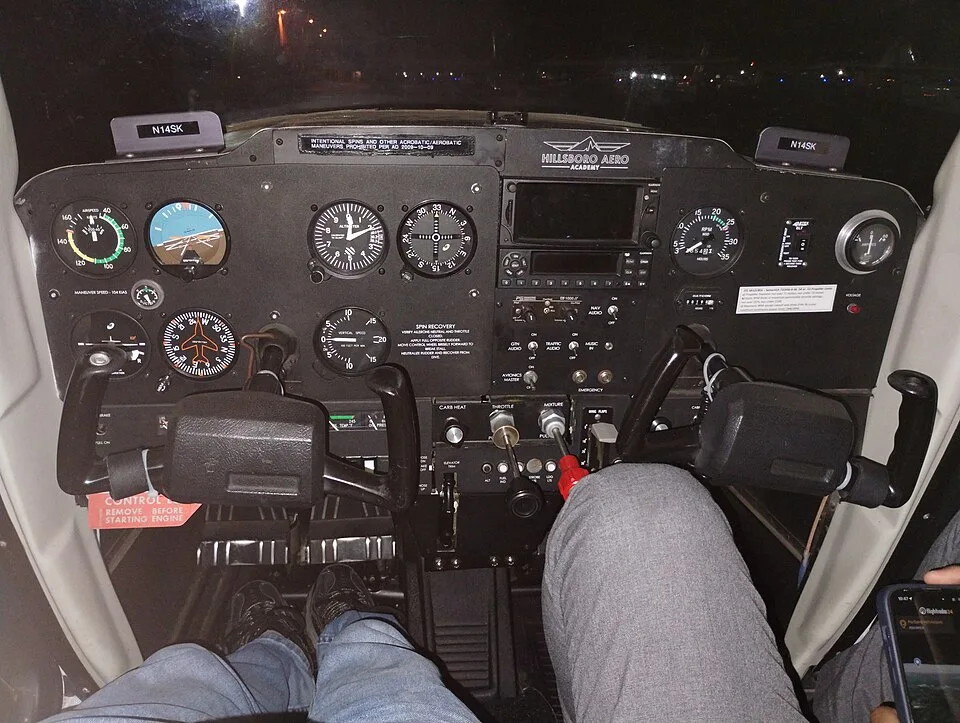

Fuel Flow, Endurance and Stall-Speed Conditions
Use the applicable aircraft handbook for fuel flow, endurance and stall speeds. Fuel consumption needs its power and altitude conditions; stall speed needs its weight, configuration and airspeed definition. The range summaries below answer a different question and cannot supply those missing operating conditions. Keep the stated fuel, reserve and obstacle assumptions with each figure when comparing aircraft.
The performance-reading guide explains which conditions must match before a numerical comparison supports a conclusion.
Explore this topic
- Cessna 150 and 152 Cruise Speed: Power, Altitude and Units - Compare published cruise speeds by year with their power and altitude conditions; understand why headline figures are not directly interchangeable.
- Cessna 150 and 152 Range: Tanks, Power and Reserve Basis - Understand cruise, optimum and maximum range figures with usable fuel and reserve conditions preserved for each published record.
- Cessna 150 and 152 Climb Rate: Sea-Level Reference Figures - Read published sea-level climb rates by model year and distinguish a reference comparison from a flight-specific climb prediction.
- Cessna 150 and 152 Service Ceiling: Reading Published Altitudes - Compare published service-ceiling records without treating them as cruise, terrain-clearance or departure-performance guarantees.
- Cessna 150 and 152 Takeoff Distance: Ground Roll and 50-Foot Figures - Separate ground roll from distance over a 50-foot obstacle and preserve the year, model and source conditions of each figure.
- Cessna 150 and 152 Landing Distance: Roll versus Obstacle Distance - Understand published landing-roll and 50-foot obstacle distances without mixing the two measures or assuming unspecified conditions.
- Reading Cessna 150 and 152 Performance Figures: Comparable Conditions - Understand when cruise, range, climb and runway figures can be compared and when missing conditions prevent a defensible conclusion.
- Cessna 150 and 152 Density Altitude: Why Hot and High Matters - Understand pressure altitude, temperature and density altitude in Cessna 150 and 152 takeoff and climb planning without substituting a rule of thumb for handbook charts.
- Cessna 150 and 152 Airspeeds: IAS, CAS, TAS and Groundspeed - Separate indicated, calibrated and true airspeed from groundspeed; interpret KIAS, KCAS, KTAS, knots and mph in Cessna 150 and 152 references.