Cessna 150 and 152 Baggage Limits: Areas, Arms and Combined Loads
Cessna 150 baggage capacity changes with the aircraft generation and loading arrangement. The early 150 through 150C records identify an 80 lb baggage limit; 150D/E records identify 120 lb. Later handbook arrangements distinguish separate baggage areas with a combined limit. None of those figures tells you how much luggage a particular aircraft can carry after its occupants, equipment and fuel have been accounted for.
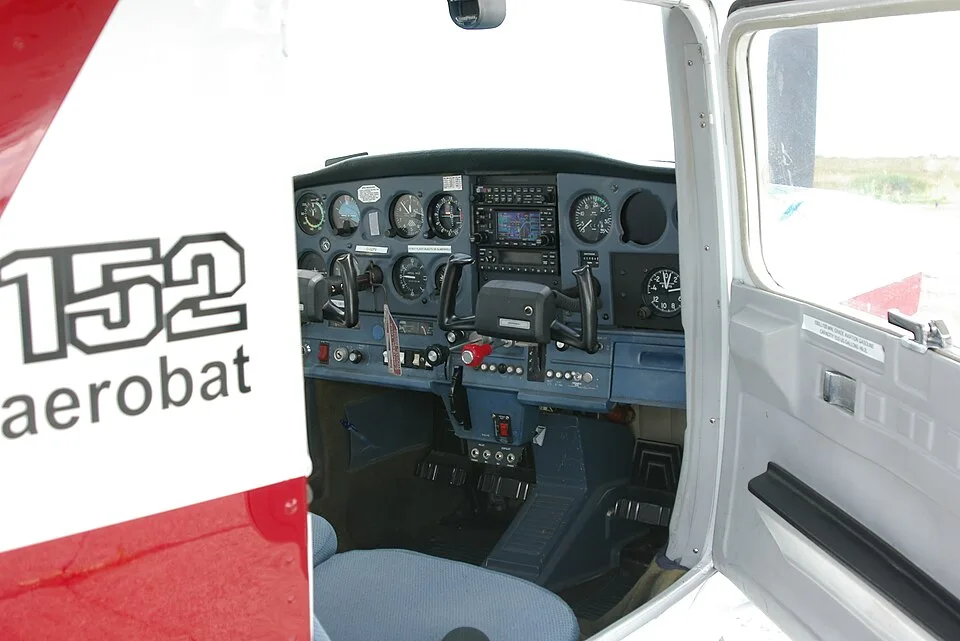

What the baggage numbers describe
A compartment limit constrains the load in a location. Useful load constrains the aircraft as a whole. Center of gravity adds a third constraint because a pound carried behind the seats has a different loading effect from a pound elsewhere. A baggage limit is therefore neither a payload allowance nor permission to fill every labeled area to its individual maximum.
The source records below retain their station arms and family labels. The 150M/A150M handbook entries describe Area 1 at a graph average arm of +64 and Area 2 at +84, while retaining the actual station ranges. These figures belong to that handbook loading method. Do not transplant them into a Reims flight manual or an aircraft with a changed cabin layout merely because its fuselage looks similar.
| Reference family | Family | Item | Arm / Range | Max | Fuel/Weight Basis | Source | Notes |
|---|---|---|---|---|---|---|---|
| Cessna 150 | 150/150A/B/C | Baggage | +65 | 80 lb | Actual baggage | [1] | Certified TCDS location. |
| Cessna 150 | 150D/E | Baggage | +65 | 120 lb | Actual baggage | [1] | - |
| Cessna 150 | 150M/A150M | Baggage Area 1 / child seat | 50-76; graph average +64 | 120 lb | Actual load | [2] | - |
| Cessna 150 | 150M/A150M | Baggage Area 2 | 76-94; graph average +84 | 40 lb | Actual load | [2] | Area 1+2 combined max 120 lb. |
| Cessna 152 | 152/A152 | Baggage Area 1 / child seat | 50-76; graph average +64 | 120 lb | Actual load | [3] | - |
| Cessna 152 | 152/A152 | Baggage Area 2 | 76-94; graph average +84 | 40 lb | Actual load | [3] | Area 1+2 combined max 120 lb. |
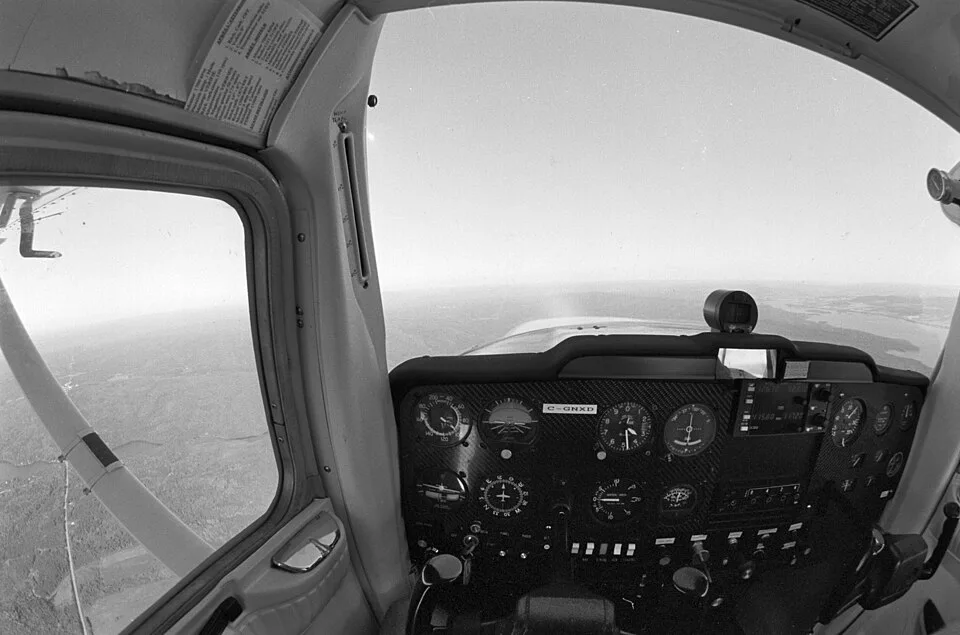

The later two-area arrangement
In the cited 150M/A150M arrangement, Area 1 is listed at 120 lb and Area 2 at 40 lb, but the combined maximum remains 120 lb. The retained 152/A152 handbook rows show the same 120 lb Area 1, 40 lb Area 2 and 120 lb combined arrangement; their separate family and source labels remain in the table. Adding the two individual limits to produce a 160 lb baggage allowance would misread the source. A load can also satisfy that combined limit and still fail the aircraft's weight or CG limits.
The reference to a child seat in the Area 1 description is an equipment and loading context, not a general claim that every Cessna 150 has an approved third seat. Establish the installed arrangement, its equipment-list entry and the applicable occupant provisions before interpreting that line as a seating option. The seats and doors guide explains why cabin equipment must be identified separately.
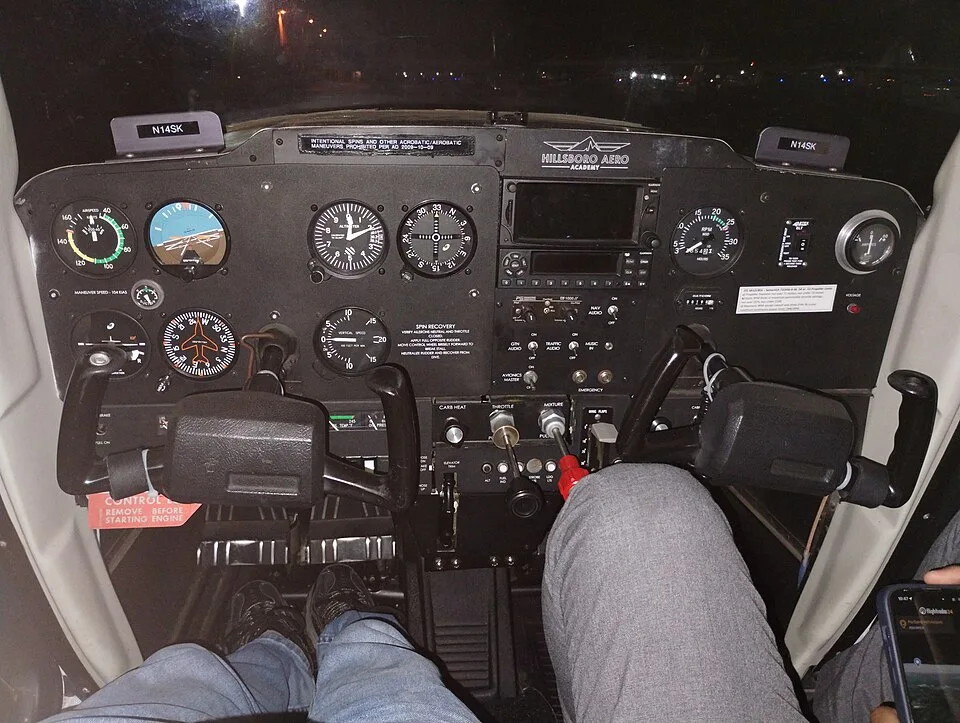

Building a useful buying comparison
For two aircraft offered for sale, collect the current empty-weight reports and equipment lists before comparing baggage practicality. The same nominal compartment limit can leave very different remaining payloads. Record the intended occupants and fuel quantity, then use each aircraft's own approved loading information to evaluate the luggage location and total weight.
Keep a distinction between the dimensions of a bag and its loading acceptability. A bag fitting through the door does not establish that its weight, position or restraint is suitable. Conversely, a low remaining useful load is not evidence that the baggage compartment itself has a lower structural limit. Follow the useful-load explanation for the arithmetic, and the family weight-and-balance references for the source-specific envelope and station context.