FAA TCDS 3A19: Cessna 150, A150, 152 and A152
FAA Type Certificate Data Sheet 3A19 identifies approved U.S. Cessna models and serial eligibility. Its scope includes the 150 through 150M, A150K, A150L and A150M, as well as the later 152 and A152 family. This is why a shared serial reference must preserve the legal model assignment rather than classify an aircraft only by the digits in its serial number.
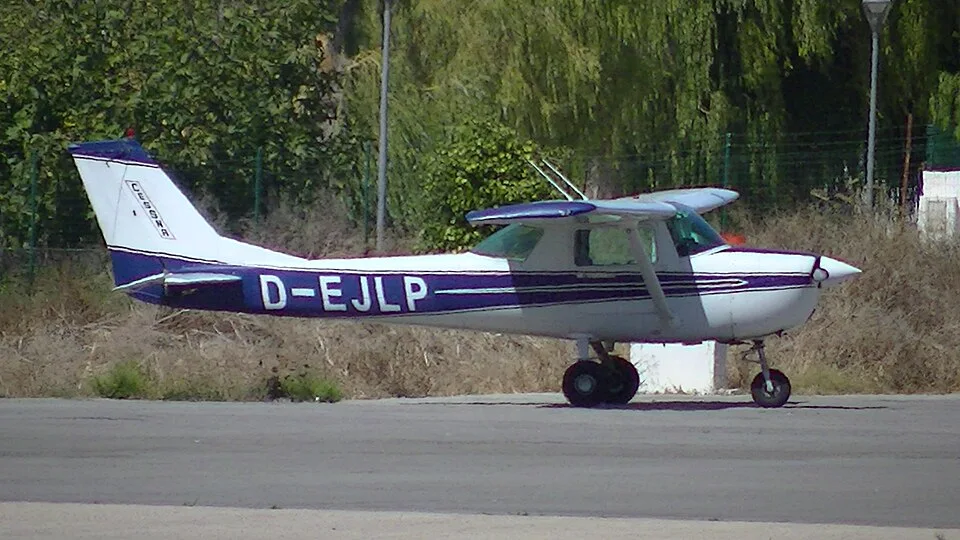

| Issuing organization | FAA |
|---|---|
| Publication number | 3A19 |
| Document type | Type Certificate / Certification Reference |
| Related aircraft and subjects | Cessna 150; Cessna 152; Aerobat; Engines; Propellers |
What TCDS 3A19 establishes
For the Cessna 150 guide, this source supports the distinction between ordinary production ranges and explicitly listed special serials. A model designation from the type certificate is a certification identity; it is not a statement that every aircraft with that designation has identical equipment today.
Special serials take precedence over interval matching
Serial 15064970 is assigned to A150M despite its position inside the numeric 150G sequence. A1500433 is excluded from A150L and assigned to A152. The guide therefore shows exclusions alongside the ranges and retains the out-of-family A152 assignment as an exception. Omitting that exception would create a false 150-family result.
The special serials 617, 628, 644 and 649 have model identities in the serial guide, but no established model years. A short serial is not an invitation to manufacture a normal production-year assignment. Owners and buyers should carry that uncertainty into aircraft-record research.


Using certification identity in maintenance research
A correct model and serial identify the starting applicability group for manuals, engines, propellers and airworthiness-directive research. They do not demonstrate AD compliance, an installed modification or the current weight-and-balance configuration. Mechanics still need the controlling document and aircraft-specific evidence for the task being considered.
For an aircraft with an alteration history, compare the type-certificate identity with the approval and installation records for the changed equipment. A certificate can describe the original approved model while an STC and the aircraft records explain a later installation. Preserve both contexts when asking about a replacement propeller, an engine conversion or the correct operating supplement.
Certificate editions and Cessna 152 installations
Use the revision stated in the type certificate being consulted and read the relevant model section and notes together. An older maintenance entry may cite an earlier edition. That can explain the reference used at the time, but present applicability requires the controlling approval and any subsequent changes. A matching document number alone does not settle which model conditions apply.
The same aircraft certificate reference is used in the Cessna 152 engine and installation relationships. Read the L2C aircraft rating and N2C effectivity with their own model and serial conditions. A common certificate number does not authorize transferring one model’s engine, weight or operating limits to another.

Related Aircraft and Technical Guides
- McCauley 1A103/TCM6958: Cessna 152 Applications and Hub AD Context
- McCauley GCM, HCM and PCM Propellers: Cessna 150L and Reims F150L
- McCauley 1A102/OCM6948: Cessna 150L/M and Reims Applications
- Sensenich 69CK Propellers: Cessna 150 Applications and Full Designations
- Cessna 150 Seaplane Configuration: Floats, Weight and Propeller Context
- Buying a Cessna 150 or 152: Model Plate, Serial and Record Identity
- Cessna Aerobat Models: A150, A152, Reims FA and FRA
- Cessna 150 and 152 Landing Gear: Main Gear, Nose Gear and Shimmy
- Cessna 150 and 152 Baggage Limits: Areas, Arms and Combined Loads
- Cessna 150 and 152 Weights: Gross, Empty, Ramp and Landing
- Lycoming O-235-N2C: 108 hp Cessna 152 Installation and Effectivity
- Lycoming O-235-L2C vs O-235-N2C: Cessna 152 Ratings and Applicability
- Lycoming O-235-L2C: Cessna 152 Power and Installation Limits
- Continental O-200 vs Lycoming O-235 in the Cessna 150 and 152
- Continental O-200-A: Cessna 150 Installation and Engine Reference
- Reims F152 vs Cessna 152: Identity, Engines, Manuals and STCs
- Cessna 150M vs 152: Engine, Fuel and Weight Transition
- Cessna 150C vs 150D: Rear Window, Weight and Baggage Changes
- Cessna 150F vs 150G: Alternator, Cabin and Configuration Changes
- Cessna 150 vs 152: Engines, Useful Load, Fuel and Ownership
- Cessna 150 vs 150A: Early Models, Gear Changes and Serial Identity
- Cessna 150K vs 150L: Landing Gear, Propellers and Model Years
- Cessna 150K vs A150K Aerobat: Same Engine, Different Identity
- Cessna 152 vs A152 Aerobat: Category, Engines and Identity
- Cessna 150 and 152 Models: Generations, Aerobats and International Variants
- Cessna 152 Aircraft Reference
- Cessna 152 Propellers: McCauley Applications and Installation Limits
- Cessna 152 Weight and Balance, CG and Loading Groups
- Cessna 152 Systems and Serial-Dependent Changes
- Cessna 152 Engines: Lycoming O-235-L2C and O-235-N2C
- Cessna 152 Manuals, POH and Flight-Manual Applicability
- Cessna 152 Models: 152, A152, Reims F152 and FA152
- Cessna 152 Model Guide: U.S. Standard Aircraft
- Cessna A152 Aerobat: Identity, Exceptions and Technical Guide
- Cessna 152 Serial Numbers, Model Years and Exceptions
- Cessna 150 and 152 Useful Load: Weight, Fuel and Payload Comparisons
- Cessna 150 Propellers and Approved Applications
- Cessna 150 Weight and Balance, CG and Loading Limits
- Cessna 150 Systems and Production Changes
- Cessna 150 Engines and Aircraft Applicability
- Cessna 150G Model Reference
- Cessna 150M Model Reference
- Cessna A150L Aerobat Model Reference
- Cessna 150B Model Reference
- Cessna 150 Model Reference
- Cessna 150H Model Reference
- Cessna 150J Model Reference
- Cessna 150L Model Reference
- Cessna 150D Model Reference
- Cessna 150A Model Reference
- Cessna 150F Model Reference
- Cessna 150C Model Reference
- Cessna A150K Aerobat Model Reference
- Cessna A150M Aerobat Model Reference
- Cessna 150K Model Reference
- Cessna 150E Model Reference
- Cessna 150 Serial Numbers and Model Years
- Cessna 150 and 152 History: Models, Aerobats and Worldwide Development
- Cessna 152 History: Introduction, Aerobat and Production Years
- Cessna 150 History: From the Original 150 to the 150M