Cessna 150 and 152 Weight-and-Balance Records: Equipment and Revision History
A Cessna 150 or 152 weight-and-balance report is most useful when it can be connected to the aircraft's present equipment and alteration history. A handbook sample or a factory model-year empty weight provides context, but it is not a substitute for the individual aircraft's current record. The key research question is whether the documented empty aircraft describes the one being evaluated.
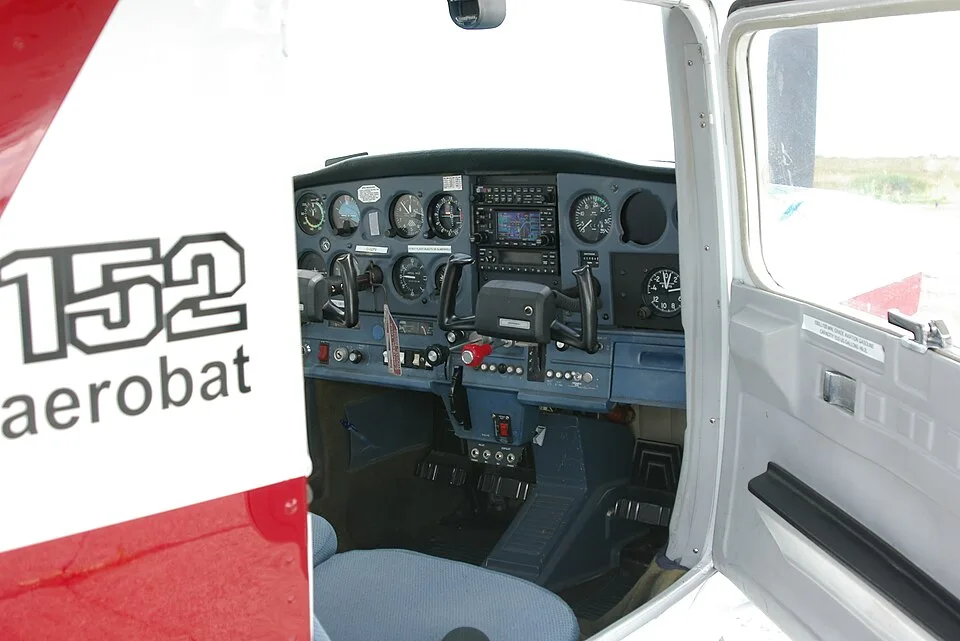

Start with the identity on the report
Compare the model and serial shown on the weight record with the aircraft's other identity documents. The 150 serial guide and 152 serial guide preserve special cases that can be lost when a prefix is guessed. A report belonging to another aircraft is not made applicable by a similar model name.
Then distinguish the report's date from the aircraft's model year. Those fields answer different questions. A newly printed copy of an older report is not necessarily a newly established empty weight, and an old report may require later equipment-change entries to explain the present configuration.
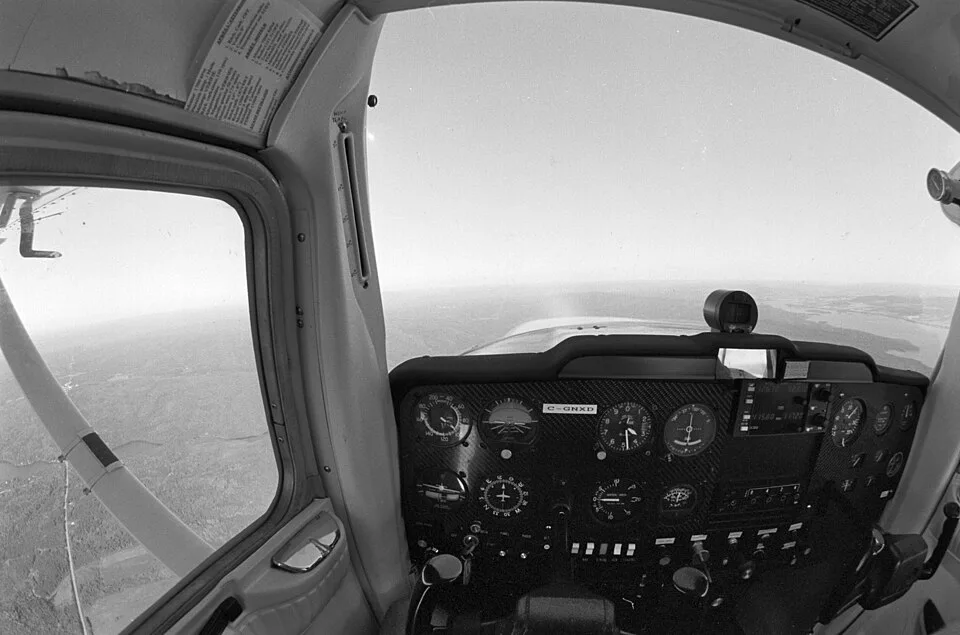

Connect equipment changes to loading evidence
Review recorded additions, removals and relocations alongside the equipment list and loading record. An avionics change, engine conversion or battery relocation can be relevant to that history. Do not infer its exact weight effect from a generic component description; use the actual documented installation information.
The battery-relocation issue illustrates why separate evidence trails matter. A revised loading report can describe the location change without proving that a flight-control interaction was inspected. A control inspection can address that concern without supplying the revised empty-weight figures.
Keep source conventions intact
The Cessna 150 weight-and-balance reference and Cessna 152 reference retain their own datum, loading groups and fuel/oil context. Do not combine an arm from one diagram with an empty-weight convention from another simply because the arithmetic still produces a number.
Units and moment conventions deserve the same attention. An unexplained scale factor or unlabeled station can make an apparently complete calculation ambiguous. Preserve the original labels and seek the matching aircraft instructions before interpreting the numbers.


Useful load is only the starting calculation
The useful-load guide explains the difference between maximum approved weight and the actual empty aircraft. That difference is a starting allowance for occupants, fuel and baggage; it does not establish that every distribution of that allowance lies inside the CG envelope or the compartment limits.
For a purchase comparison, request the same evidence from each candidate aircraft: the applicable current report, equipment list and alteration sequence. Record any unexplained mismatch instead of filling it with a factory average. The output of this review should be a traceable set of loading documents and questions for the inspecting professional, not a new loading authorization calculated from incomplete online data.