Cessna 150 and 152 Seats, Restraints and Doors: Standard and Aerobat Context
Seats, restraints and doors deserve separate attention even though they share the cabin. The records describe adjustable seats with tracks, rollers, locks and stops; belts and harnesses as equipped; and door hinges, latches, handles and seals. The Aerobat-related provisions are qualified by the applicable installation.
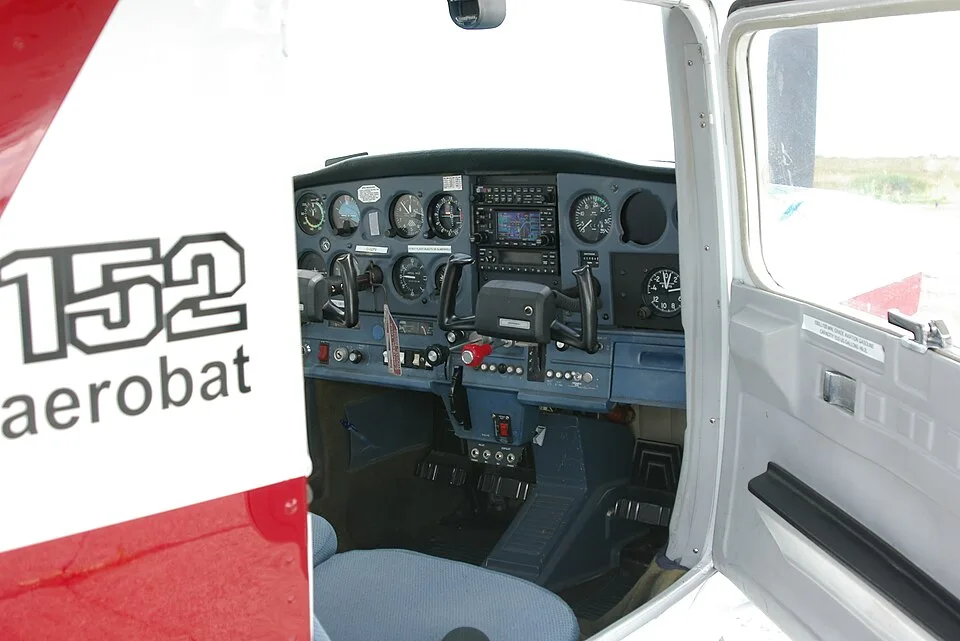

Seat retention has several parts
A seat system is more than a rail. Wear or condition questions can involve the locking parts, rollers and stops, while the supporting structure has a different corrosion research path. The seat-rail issue guide separates the directive-related wear concern from structural maintenance-program evidence.
| Reference family | System ID | Subsystem | Factory Applicability | Architecture / Components | Operational Interface | Configuration Status | Primary Source |
|---|---|---|---|---|---|---|---|
| Cessna 150 | SYS-DOOR | Doors/latches | All | Hinges, latch/handle, seals; Aerobat quick-release provisions where applicable. | Cabin access/security. | Aerobat differs. | [1] |
| Cessna 150 | SYS-SEAT | Seats/tracks/locks | All | Adjustable seats, tracks, rollers/locks/stops. | Occupant positioning. | Configuration and service changes vary. | [1] |
| Cessna 150 | SYS-BELT | Belts/harnesses | All | Lap belts and shoulder harnesses as equipped; Aerobat enhanced restraint installation. | Occupant restraint. | Year/equipment/retrofit dependent. | [1] |
| Cessna 152 | SYS-DOOR | Doors/latches | All | Hinges, latch/handle, seals; Aerobat quick-release provisions where applicable. | Cabin access/security. | Aerobat differs. | [1] |
| Cessna 152 | SYS-SEAT | Seats/tracks/locks | All | Adjustable seats, tracks, rollers/locks/stops. | Occupant positioning. | Configuration and service changes vary. | [1] |
| Cessna 152 | SYS-BELT | Belts/harnesses | All | Lap belts and shoulder harnesses as equipped; Aerobat enhanced restraint installation. | Occupant restraint. | Year/equipment/retrofit dependent. | [1] |
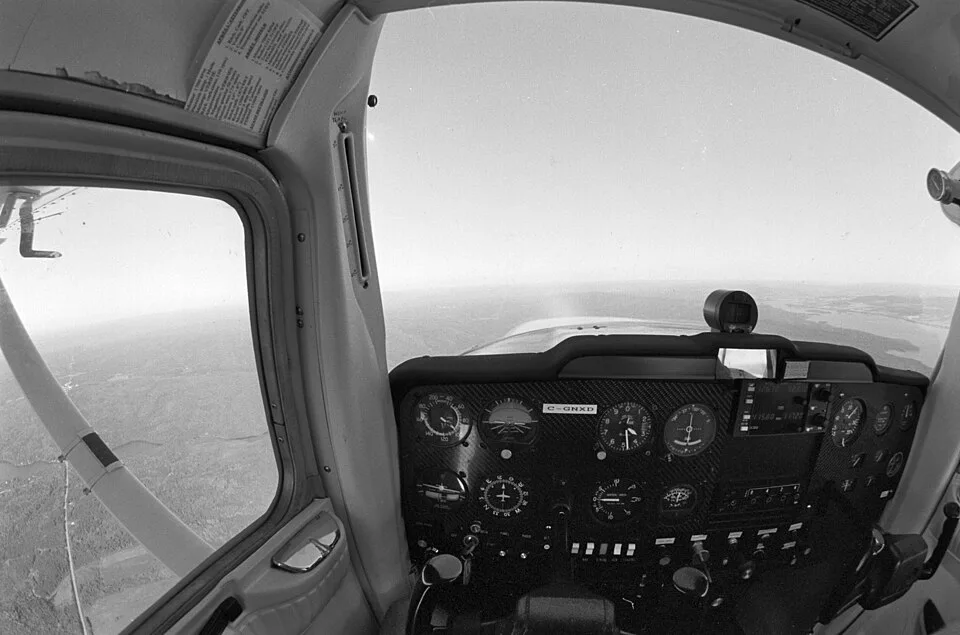

Restraints and Aerobat equipment
The restraint record distinguishes installed lap belts and shoulder harnesses and notes the enhanced Aerobat installation. The door record similarly identifies quick-release provisions where applicable. Neither description proves that a particular aircraft's present equipment matches its original configuration or that an alteration retains the required approvals.
Use the legal model identity and the installed-equipment records together. An Aerobat paint scheme cannot establish an Acrobatic-category model, and a component associated with an Aerobat cannot convert the legal identity of a standard aircraft. The Aerobat guide explains the model families and their distinctions.
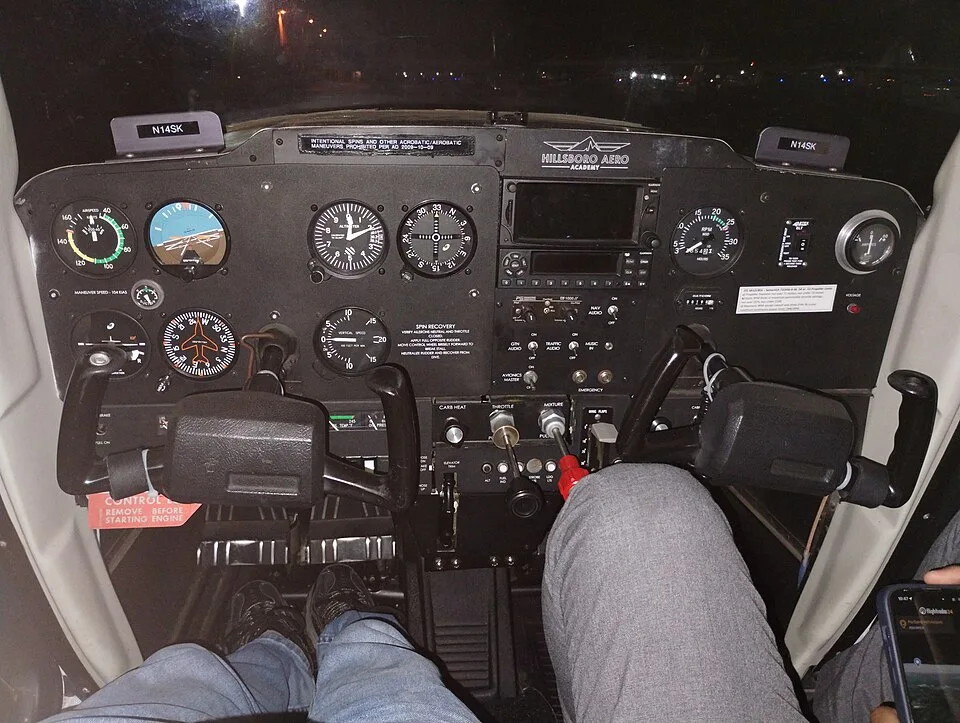

Useful evidence at purchase
Ask the inspecting mechanic to report the seat, restraint and door findings separately and identify any configuration uncertainty. Look for records supporting replaced or modified equipment and any applicable service information. A general statement that the interior was refurbished does not answer these technical questions.
This page provides a map of the recorded systems, not a release procedure, restraint installation instruction or authorization for a particular maneuver. The appropriate aircraft documents and maintenance data remain necessary. Photographs could help show individual parts in a future phase, but would need verified configuration and permission to reproduce them.
Keep cosmetic and technical work distinct
Interior upholstery, trim and paint records can describe useful ownership work without establishing the condition or approval of seat retention and restraint components. Ask whether a refurbishment also involved technical changes and, if so, what records support them. Keeping those descriptions separate helps a buyer avoid treating a visually renewed cabin as evidence that every seat, harness and door question has been resolved.