Cessna 150 and 152 Manuals: POH, AFM and Information Manual
A Pilot's Operating Handbook, an approved Airplane Flight Manual and an information manual are not automatically interchangeable. For a Cessna 150 or 152, the important question is whether the document, its approval status, revision and supplements apply to the individual aircraft. A familiar cover title or matching family name is a starting point for identification, not proof that the publication supplies all the operating information required for that airplane.


POH describes a handbook; AFM describes approved flight information
POH is the abbreviation for Pilot's Operating Handbook. AFM means Airplane Flight Manual. A handbook can incorporate approved flight-manual material, but the words POH alone do not establish the status of every section or every copy. Read the publication's approval statements and applicability rather than treating the abbreviations as competing names for one universal document.
This distinction matters when a buyer receives a collection of books from several aircraft. A readable performance chart may be useful for study while still being the wrong chart for the airplane under consideration. Start with the data plate identity and serial number, then match the manual's stated model and effectivity. The aircraft-identity guide explains why the registration or advertised model year is insufficient on its own.


Older owner's manuals and information manuals
The Cessna 150 and 152 publication history spans different titles and formats. An older owner's manual should be identified by its actual title, edition and model coverage rather than renamed POH merely because a seller uses that term. The technical documents library distinguishes the named publications available for research.
An information manual is useful for familiarization with the described model. Its title does not make it the aircraft-specific approved manual or establish that all revisions and supplements for a particular airplane are present. The 1980 Model 152 Information Manual illustrates the kind of publication identity that should be retained when discussing a reference. A general study copy and the applicable aircraft documents can serve different purposes without one being useless.
Supplements connect modifications to the basic document
An aircraft may have changes that affect limitations, procedures, performance or equipment information. The basic handbook needs to be read with the applicable approved supplements and installation records. An engine conversion cannot be evaluated by replacing the original horsepower in a stock performance table. Likewise, a modification approval mentioned in an advertisement does not prove that a particular installation was completed and documented.
Trace the modification through the aircraft's records, identify its approval and obtain the applicable instructions or supplement. The engine-conversion guide connects engine identity with the installation question. A missing supplement is a specific records problem to resolve, not an invitation to borrow procedures from a superficially similar airplane.
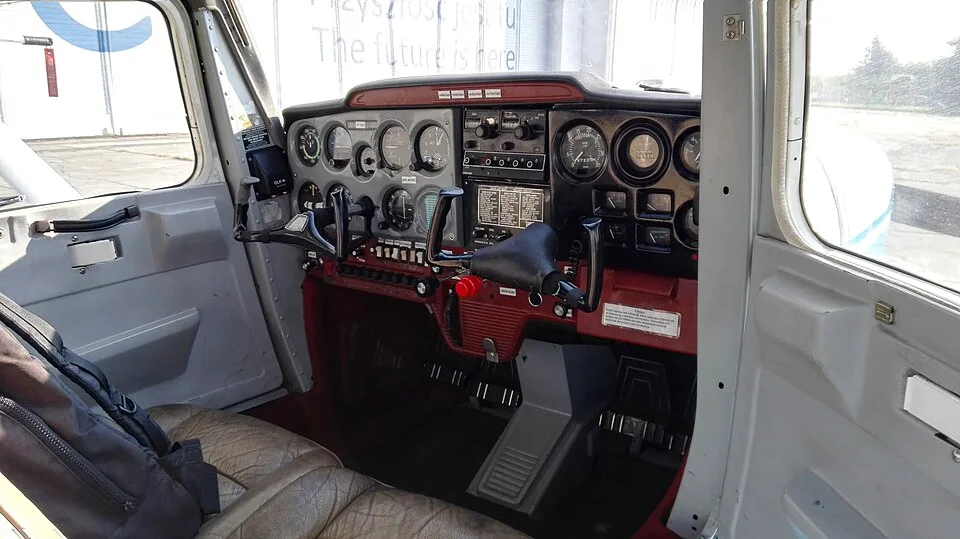

Reims and Aerobat applicability
U.S.-built and Reims-built aircraft have related histories but are not one undifferentiated manual application. The Reims manuals guide connects French models to their publication references. Preserve the full model designation, including an Aerobat prefix, when checking a document. A standard-model limitation should not migrate to an Aerobat, or vice versa, simply because both aircraft have the same nominal power.
Serial effectivity can be narrower than a family name. Revisions and supplements can add further conditions. A catalog listing is helpful for finding the publication identifier, but the publication itself and the airplane's records must establish the application being relied upon.
Build a usable document set before the purchase
For each candidate airplane, record the official model and serial, the basic handbook or flight-manual identifier, its stated applicability and the supplements required by installed modifications. Check that the actual documents agree with the configuration described in the maintenance records. Keep maintenance manuals and illustrated parts catalogs in their own roles: they answer servicing and parts questions rather than replacing flight limitations.
The required-aircraft-documents guide and logbook review extend this check into ownership records. The result should be a document set that a pilot and mechanic can use for this aircraft, not simply a shelf of publications with Cessna on the cover.