Cessna 150/152 Aircraft Documents: Certificates, Manuals and Placards
A folder labeled “Cessna 150 manual” is not enough to establish the aircraft's operating-document set. For a U.S.-registered 150 or 152, certificates, approved operating material and aircraft-specific configuration evidence answer different questions. The useful check is whether the documents belong to the aircraft and its present configuration, not simply whether a familiar checklist acronym can be recited.
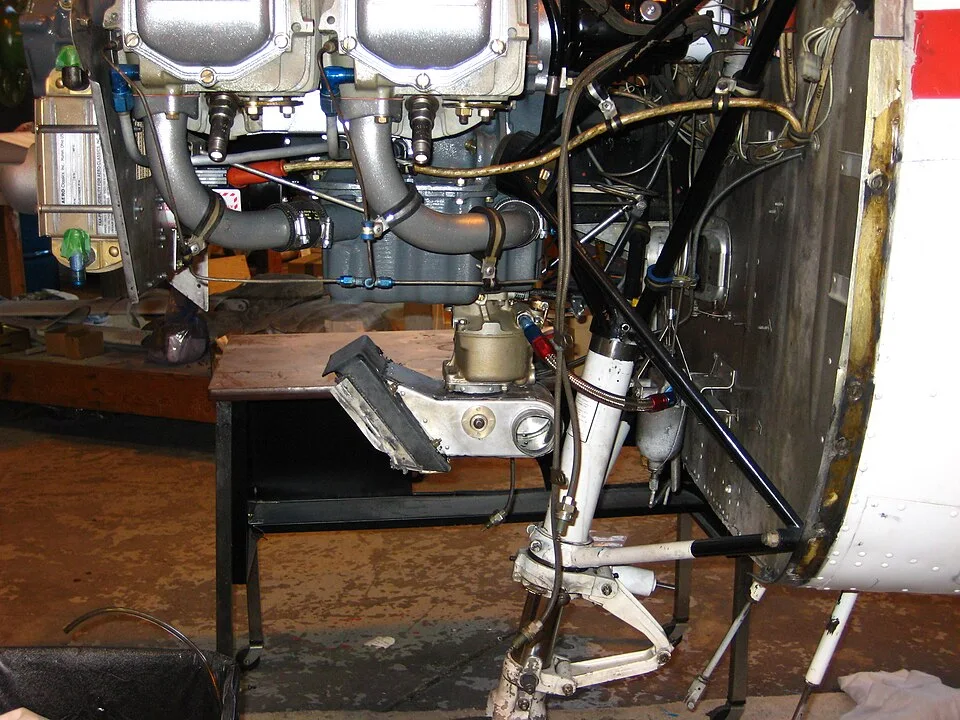

Certificates have their own requirements
14 CFR 91.203(a) and (b) address the airworthiness and registration documents within the aircraft and display of the airworthiness certificate, with specified exceptions and alternatives. Paragraph (c) adds an onboard Form 337 requirement for the particular passenger- or baggage-compartment fuel-tank installation it describes. Do not turn that special provision into a statement that every Form 337 must always be carried aboard.
Compare the documents' aircraft identity with the actual identification evidence. If names, serials or registration references do not align, establish why before assembling a replacement folder. The aircraft-identity guide helps distinguish an official designation from a convenient sales description.
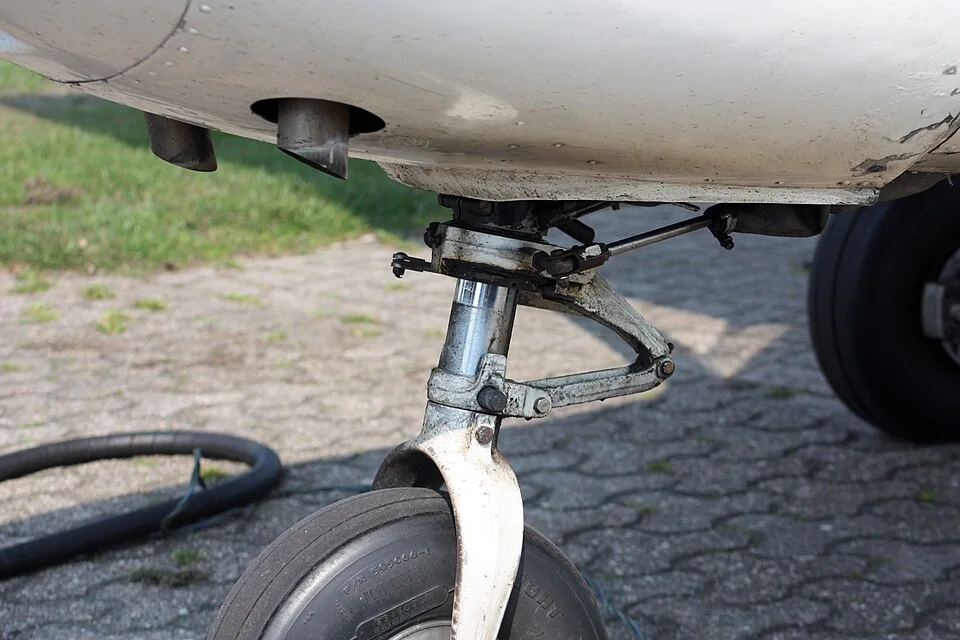

Approved operating material depends on the case
Section 91.9(a) and (b) addresses operating limitations and distinguishes aircraft for which an AFM is required from those using the permitted combination of approved manual material, markings and placards. An old aircraft's document arrangement should be established from its applicable basis, not forced into the format of a newer model's handbook.
Use the 150 manual guide or 152 manual guide to identify publication leads, then match exact model, serial and configuration. A catalog entry can help find a book; it does not prove that a particular copy includes every applicable amendment or supplement.
Changes can leave a document mismatch
Imagine a file with an engine-conversion entry but only the original operating booklet. The useful question is which approved operating material belongs to that installation and where it is kept. Do not fill the gap with performance figures from a different aircraft carrying an engine of similar horsepower.
The same discipline applies to fuel configurations and Aerobat distinctions. Retain the weight-and-balance records and equipment history with the research so changes can be followed. For French-built aircraft, the Reims manual trail preserves separate publication identities rather than assuming a U.S. book supplies the missing approval.
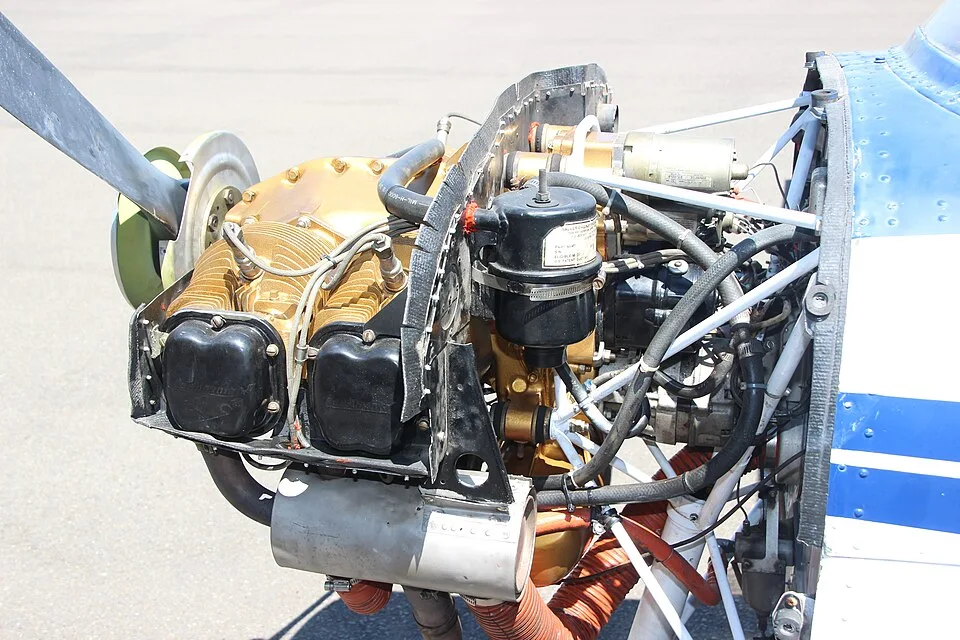

Organize the review by document purpose
Keep a short inventory showing each document's purpose, aircraft identity, revision evidence and location. Mark whether a missing item is a missing copy, an unresolved applicability question or a discrepancy between records. Those require different follow-up work; treating them all as “need a POH” makes the next enquiry less useful.
The Form 337 and STC guide helps with alteration evidence. This article explains selected U.S. certificate and operating-material requirements, not a complete dispatch checklist for every operation or country. Aircraft-specific approved material remains necessary for limitations and flight planning.