Cessna 150 and 152 Logbooks: Identity, Alterations and Missing Records
A useful logbook review connects the aircraft's legal identity with its present configuration and maintenance history. A stack of books is not automatically a complete record, and a gap is not automatically proof of an unrecorded defect. The task is to identify what the evidence establishes and what still needs investigation.

Establish the identity chain
Begin with the aircraft's legal model and serial, then compare the identification used throughout the records. The 150 serial guide and 152 serial guide cover notation and special assignments. A registration mark is not a substitute for the manufacturer's serial identity when joining technical evidence.
Connect alterations to the current aircraft
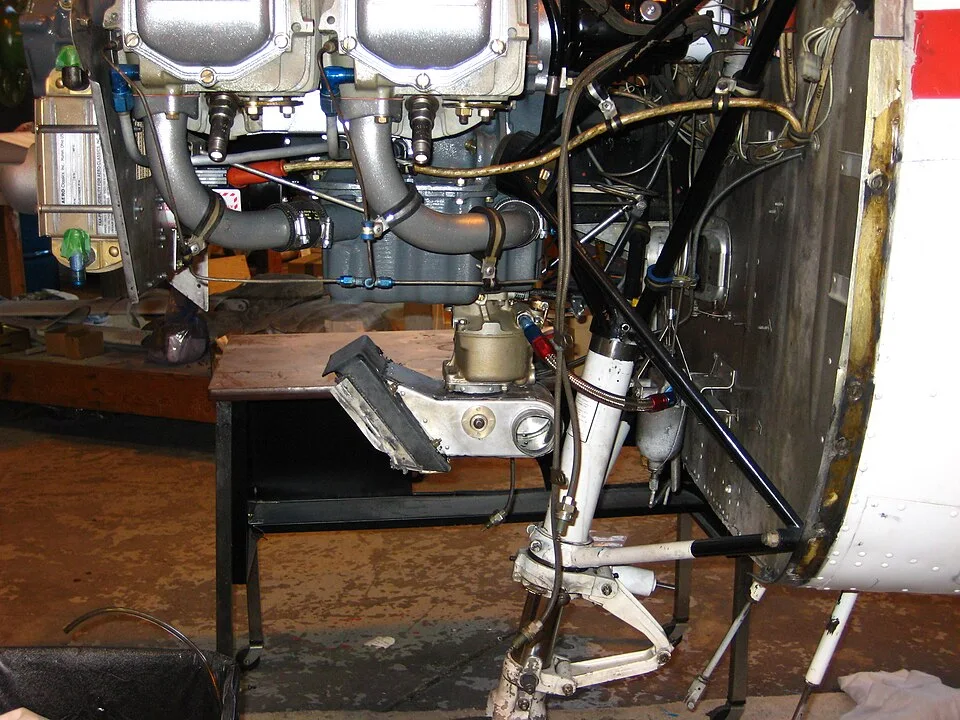
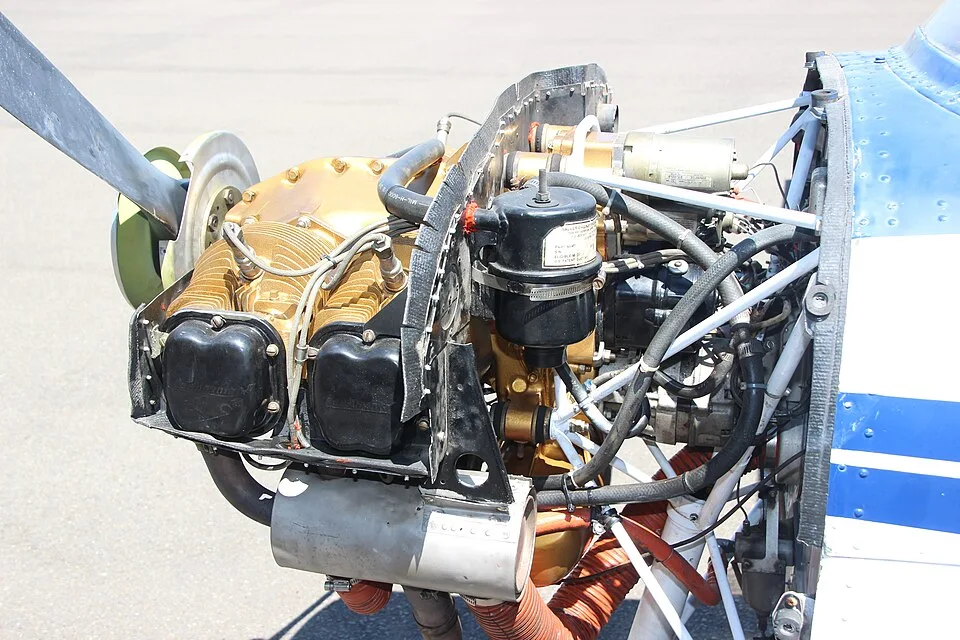
Identify engine, propeller, tank, instrument and other significant equipment changes. Follow each change into the approval material, equipment list, weight-and-balance information and applicable supplements. An installed-equipment description should agree with the aircraft being inspected, not merely with an earlier advertisement.
The engine-conversion guide illustrates why an entry naming an engine is only part of the evidence. The pitot-static guide provides another example: instrument work can affect related system documentation.
Read compliance statements precisely
A directive entry should be assessed against the directive's actual applicability and the action claimed. Distinguish a one-time action from recurring or event-driven requirements. A historical entry cannot establish today's status without the necessary subsequent records and current review. The AD hub organizes those questions.

Record gaps as specific questions
Write down the missing period, document or configuration evidence and what question it prevents you from answering. Ask the inspecting mechanic which uncertainties materially affect the assessment. Avoid replacing a missing record with assumptions based on model eligibility or a seller's summary.
The damage-history guide and engine-time guide develop two common follow-up paths. This guide offers a research structure, not a legal opinion on record sufficiency or a declaration that an aircraft is airworthy.
Create a traceable review note
For each unresolved item, retain the relevant book, date or document reference and the question it leaves open. Separate a missing page from a mismatch in component identity or an ambiguous work description. This gives the reviewing mechanic a concrete follow-up task and prevents a broad label such as incomplete logs from concealing which technical conclusions are actually affected.
Begin by reconciling the aircraft identity across the records, then trace the weight-and-balance document history through equipment changes. Neither a familiar model name nor a recent log entry resolves an unexplained mismatch.
Separate work entries from status summaries
14 CFR 91.417 distinguishes work records from information such as total time, inspection status and applicable AD status. That distinction is useful when reviewing a Cessna's records: a chronological pile of invoices and a summary sheet may each leave different questions unanswered. FAA AC 43-9D adds guidance on record continuity and responsibilities.
If significant alteration evidence is missing, the FAA aircraft-records guide explains a complementary retrieval path. Use the Form 337 and STC reference to interpret the relationship between approval and recorded work. Keep gaps explicit; do not reconstruct undocumented airframe time from an advertisement or confuse an engine's time since overhaul with airframe total time.

Turn a missing entry into a specific enquiry
When a gap is discovered, separate three questions: whether the underlying event is known, whether the work is described, and whether its approval record can be located. A dated invoice may help find a shop or work order without answering all three. Preserve the original gap while adding any recovered evidence; do not make a reconstructed chronology look like an uninterrupted original logbook.
Use maintenance-entry interpretation for the work description and signature, and the AD status-sheet guide for the connection between that entry and a continuing obligation. If the missing period overlaps the historical replacement window in AD 97-01-13, frame the enquiry around the S51-10 hose evidence instead of assuming that silence proves no replacement occurred.
Check whether the file is ready to transfer
The records handover guide explains how to make transferred volumes, copies and current-status evidence traceable. A buyer can use the inventory to locate an entry and identify missing connections without treating a document count as proof of completeness.
For an engine with recent cylinder work, follow the cylinder-replacement records guide. Locate the actual work description before accepting a broad sales label or interpreting time since that event as engine-overhaul time.
Time continuity and the scope of a prebuy
When the uncertainty concerns the advertised total, use the airframe-time guide to trace dated entries and meter transitions separately from engine history. Missing logbooks remain a continuity problem within this guide, rather than a second page repeating the same recovery advice. The prebuy-versus-annual comparison explains how to turn the remaining gaps into questions for an agreed investigation. An available inspection entry is useful evidence, but does not answer every missing-history or purchase question.