Cessna 150 and 152 Engine Conversions: Approval and Configuration Research
A higher-power engine claim is not a complete description of a Cessna conversion. The approval basis, exact aircraft eligibility, engine variant, installed components, operating supplements and continued-airworthiness information need to be connected. the records include several conversion references with different evidence strengths.
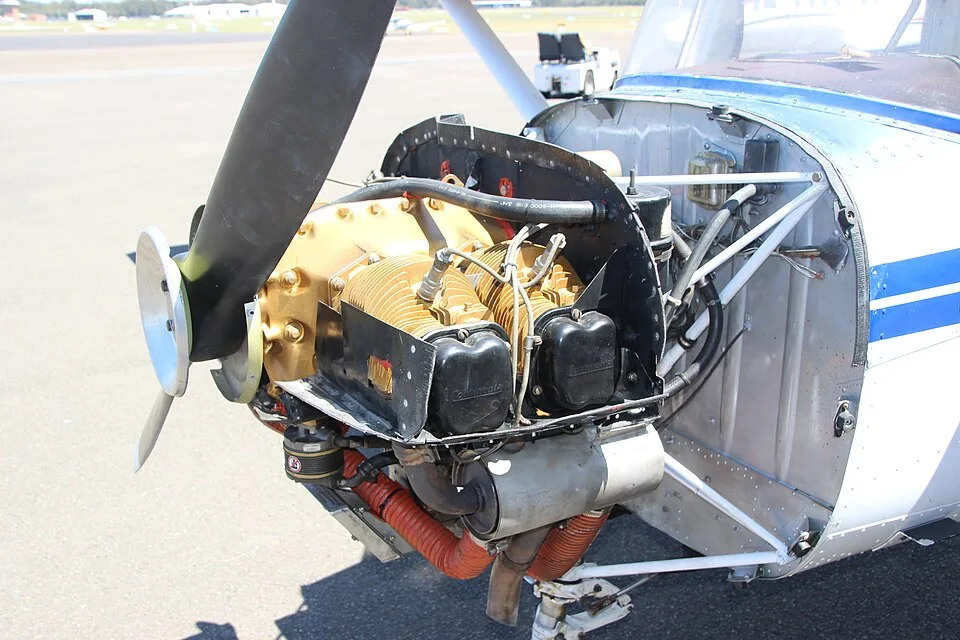

Approval records and descriptive listings
The table distinguishes a floatplane-related O-320 path, the SA4795SW conversion family and other listed conversion references. It also retains entries whose evidence is a manufacturer application listing or an aircraft advertisement. Those weaker references cannot independently establish the full legal scope of an installation.
| Approval / Conversion | Engine | Aircraft Models | Rated / Advertised Power | Legal Scope | Source |
|---|---|---|---|---|---|
| SA1052SW | Lycoming O-320-E2D | 150G/H/J/K/L floatplane configuration tied to SA1034SW | 150 hp class | FAA STC; exact configuration and continued-airworthiness data required | [1] |
| SA4795SW | Lycoming O-320 or O-360 | 150/A150/152/A152 listed in FAA STC records | Higher power | FAA STC reference; exact approval revision and current holder require verification | [2] |
| SA572CE / EASA validation 10015952 | Lycoming O-320 | Cessna 150 family as stated by validation listing | 150 or 160 hp | EASA validation exists for named models; current approval data controls | [3] |
| SA4795SW | Lycoming O-320 or O-360 | 150/A150/152/A152 listed in FAA STC records | Higher power | FAA STC reference; exact approval revision and current holder require verification | [2] |
| Sparrow Hawk / SE792NW | Modified O-235-L2C | Cessna 152 | 125 hp commonly documented | Reported STC conversion; current approval holder and exact eligibility require verification | [4] |
| Lycoming Engine Finder C152 conversion entry | O-235-F2A | Cessna 152 conversion | 125 | Manufacturer Engine Finder contains C-152 CONVERSION application Part #8982 | [5] |
Factory specification is no longer the whole answer
A converted aircraft still has a legal airframe identity, but its applicable operating and maintenance information can differ from the factory configuration. Do not use the original engine's performance or weight assumptions as proof of the modified aircraft's capability. The weight guide explains why the current records and configuration matter.
The 125-hp descriptions associated with some 152 conversion references must not be relabeled as the factory O-235-L2C or O-235-N2C aircraft rating. Their approval and installation questions are separate from the standard engine comparison.
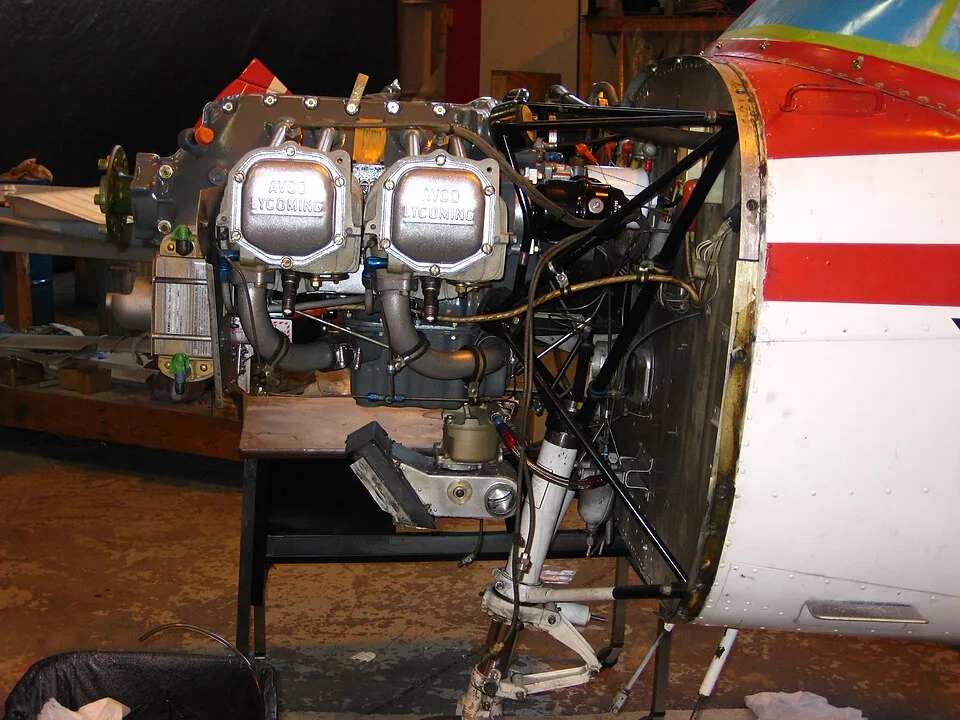

What a buyer should obtain
Request the approval and installation records, applicable supplements, equipment and weight-and-balance changes, and maintenance information associated with the modification. Establish the actual engine and propeller identities. A sale listing can identify a research lead while leaving these matters unresolved.
Modification-specific directives can depend on a particular installed system or component. The airworthiness research hub explains that conditional path. This page does not establish current approval availability, current STC ownership, an installation procedure or compatibility for an individual aircraft. The table's legal-scope limitations are retained rather than promoted into blanket endorsements.
Evidence strength is visible
A manufacturer application listing can establish that a conversion-related engine appears in that listing, while leaving the installation approval unresolved. An advertisement establishes even less about legal scope. These entries are retained as research leads with explicit limitations, not as endorsements. A later conversion article should add reliable approval and configuration evidence before quoting detailed operating limits or installation compatibility.
An alteration review should follow the engine controls and any battery relocation, not just the replacement engine rating. Reims modification research adds an exact-model approval check.
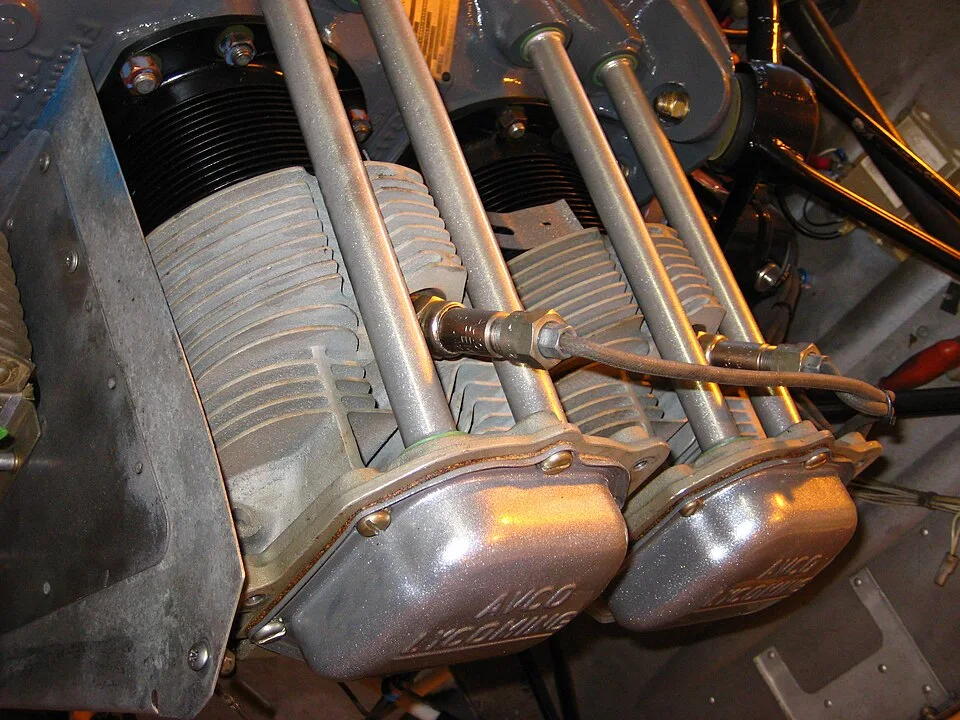

Approval search and installation evidence
FAA STC guidance separates locating a public approval from obtaining the holder's permission and supporting information. For a conversion project or purchase, that distinction belongs near the beginning of the research. A reference match is not a complete installation package.
The Form 337 and STC guide connects approval scope with recorded work. Review the resulting engine, propeller and loading configuration together rather than treating a horsepower label as a complete description. If the aircraft is Reims-built, follow its separate approval and extension trail before assuming that a U.S. Cessna listing covers it.