Cessna 152 Weight and Balance, CG and Loading Groups
Cessna 152 weight-and-balance research must distinguish certified limits from the current aircraft's actual empty weight, equipment and CG. the U.S. 152 and A152 records retain separate early and later serial groups, with a ramp-weight change that does not increase takeoff weight. They also preserve the Aerobat's exceptional serials and the difference between baggage-area limits and the combined allowance.
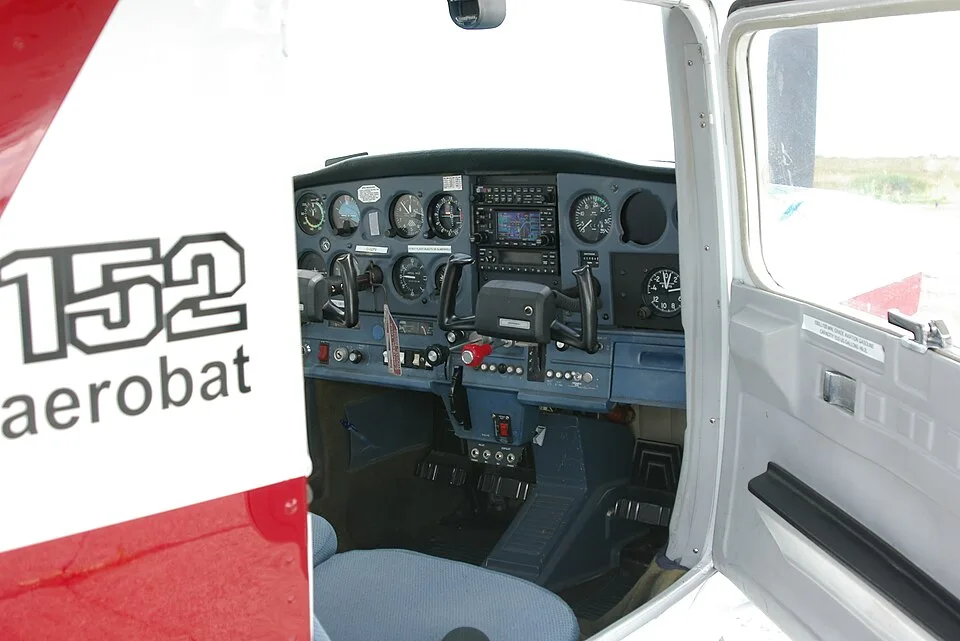

For a practical comparison, the useful-load guide separates certified limits from an aircraft’s actual empty weight and shows why a payload subtraction also needs a CG check.
Use the serial guide to establish the full identity, then read the group and configuration columns together. The tables are technical references, not a completed loading worksheet. The actual aircraft report, applicable handbook, equipment list and alteration records are needed before assessing a real loading arrangement.
Early and Later Standard-Model Groups
The standard Model 152 early group covers 15279406 through 15282031. The later group begins at 15282032 and includes a recorded ramp allowance of 1,675 lb. Both groups retain 1,670 lb takeoff and landing limits in the source. These are different categories of weight, not alternative maximums for the same event.
A later ramp allowance must not be added to an earlier aircraft's group merely because the model name is unchanged. Likewise, a later aircraft's ramp allowance does not authorize taking off at that weight. Read the exact serial applicability and the relevant weight field rather than reducing the group to one largest number.
A blank ramp field in the early source is left blank. It is not zero, and it is not automatically the later allowance. The appropriate aircraft documentation must establish the controlling treatment where the source summary does not supply a separate value.
A152 Aerobat Groups and Exceptional Serials
The early A152 group includes A1500433 and A1520735 through A1520808. The later group includes 681 and A1520809 onward. Preserving the special identifiers is necessary for loading research as well as identity: a prefix-based family assignment could send A1500433 into an inappropriate A150 group.
The A152 model page explains why the Aerobat retains its own legal identity and certified category. Shared numerical weight or CG entries do not make the standard and Aerobat operating contexts interchangeable. The controlling aircraft limitations, including the conditions relevant to the intended operation, remain necessary.
The notation relationship between 681 and A15200681 is not a second physical aircraft or permission to normalize every exceptional serial. Keep the actual aircraft identifier and source notation together when connecting records. The group shown here follows the source's explicit short-serial wording.
| Models / Serial Applicability | Config | Category | Ramp lb | TO lb | Landing lb | Fwd CG light | Light wt | Fwd CG heavy | Heavy wt | Aft CG | Baggage | Datum / Reference | Leveling | Source |
|---|---|---|---|---|---|---|---|---|---|---|---|---|---|---|
| 15279406-15282031 | Land | Utility | - | 1670 | 1670 | 31 | 1350 | 32.65 | 1670 | 36.5 | Area 1 120; Area 2 40; combined 120 | Firewall front face Sta 0.0 | Jig points +94.63/+132.94 | [1] |
| 15282032 and on | Land | Utility | 1675 | 1670 | 1670 | 31 | 1350 | 32.65 | 1670 | 36.5 | Area 1 120; Area 2 40; combined 120 | Firewall front face Sta 0.0 | Jig points +94.63/+132.94 | [1] |
| A1500433; A1520735-A1520808 | Land | Acrobatic | - | 1670 | 1670 | 31 | 1350 | 32.65 | 1670 | 36.5 | Area 1 120; Area 2 40; combined 120 | Firewall front face Sta 0.0 | Jig points +94.63/+132.94 | [1] |
| 681; A1520809 and on | Land | Acrobatic | 1675 | 1670 | 1670 | 31 | 1350 | 32.65 | 1670 | 36.5 | Area 1 120; Area 2 40; combined 120 | Firewall front face Sta 0.0 | Jig points +94.63/+132.94 | [1] |
Forward and Aft CG Limits
the groups record a forward-CG point of 31 inches at 1,350 lb and 32.65 inches at 1,670 lb, with an aft limit of 36.5 inches. These points belong to a weight-dependent envelope. A single forward-CG number cannot represent every loading weight, and a maximum-weight check alone does not resolve whether the loaded CG is acceptable.
The website does not replace the aircraft's complete envelope or supply an independent loading calculator from these summary points. The applicable handbook and current weight-and-balance report establish how the limits and loading data are used. Missing conditions should not be supplied by borrowing a neighboring model's chart.
For a buyer comparing useful load, the actual empty weight is especially important. A historical specification can help describe a model but does not establish the present empty weight after equipment installations, repairs or alterations. Subtracting a published catalog weight from maximum gross weight would produce only a historical comparison, not the aircraft's verified useful load.
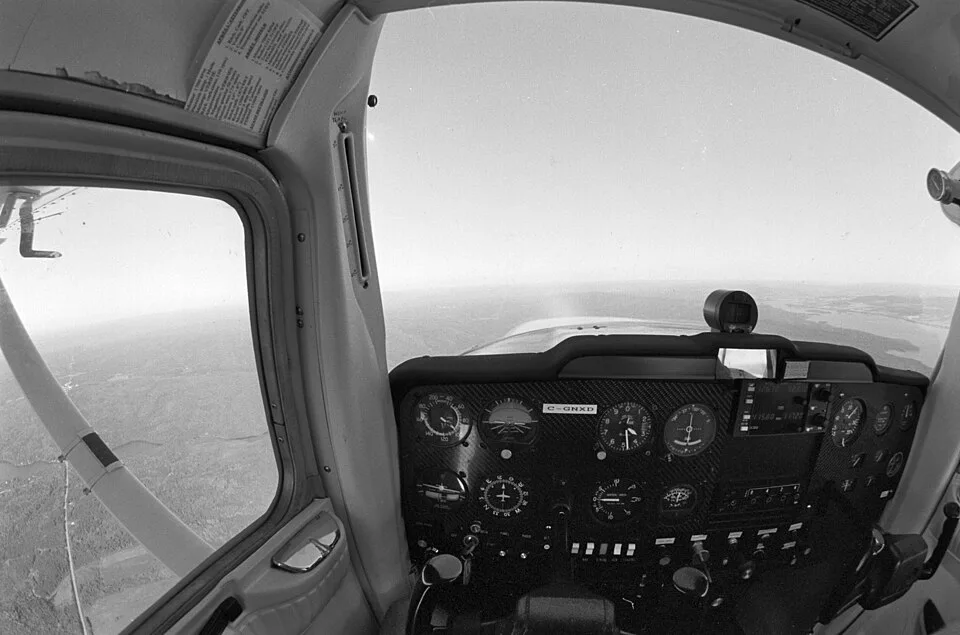

Datum, Stations and Leveling
The source identifies the firewall front face as station zero and preserves the applicable leveling reference in the group table. These definitions establish the coordinate system in which arms and CG are expressed. An arm from another datum must not be mixed into the calculation simply because the units are also inches.
The loading-station table retains seat, baggage and fuel-related context. A station value is not a measurement of the current aircraft's CG; it is part of the system used to account for a load. The aircraft's actual empty-weight moment or CG and the current loading must still be evaluated under the controlling documentation.
Leveling information belongs to an actual weighing procedure and its maintenance context. This summary does not provide a weighing method or establish the result of a previous weighing. Mechanics need the appropriate instructions, aircraft configuration and records to establish a defensible aircraft-specific report.
| Family | Item | Arm / Range | Max | Fuel/Weight Basis | Notes | Source |
|---|---|---|---|---|---|---|
| 152/A152 | Pilot/passenger | 33-41; graph average +39 | - | Actual occupant weights | - | [1] |
| 152/A152 | Fuel | +42 | 24.5 gal standard / 37.5 gal long range | 6 lb/US gal handbook basis | Standard total 26; long range total 39. | [1] |
| 152/A152 | Baggage Area 1 / child seat | 50-76; graph average +64 | 120 lb | Actual load | - | [1] |
| 152/A152 | Baggage Area 2 | 76-94; graph average +84 | 40 lb | Actual load | Area 1+2 combined max 120 lb. | [1] |
Baggage Areas and Combined Limits
the group wording distinguishes Area 1 at 120 lb, Area 2 at 40 lb and a combined 120 lb limit. These are simultaneous constraints, not quantities to add together into a larger allowance. Nor is the combined figure permission to place all baggage in Area 2.
Baggage placement affects moment as well as total weight. A load can be below the combined baggage maximum and still require a CG evaluation with occupants and fuel. Use the applicable stations and aircraft report instead of treating each limit as an independent permission unrelated to the rest of the loading.
The specifications guide presents the model-level limits, while this page retains the loading context. Operating category and aircraft documentation also matter. A generic baggage number cannot establish every condition for Aerobat operations or an aircraft carrying an approved alteration.
Fuel, Oil and Empty-Weight Definition
The 152/A152 fuel records state that certificated/basic empty weight includes full oil and unusable fuel. This definition matters when a report is used to assemble a loading worksheet. A quantity already included in empty weight should not be added again under an incompatible assumption, and a required load should not be omitted because another document uses different terminology.
Standard and long-range fuel configurations have different usable quantities. The source records the same fuel-arm context while retaining the extended-range installation's separate equipment net change. Distinguish the installed equipment from the amount of usable fuel loaded for a particular condition.
Oil capacity also has installation wording, including filter context. Engine catalog data is not automatically the aircraft's fluid-accounting definition. The engine guide and fuel reference explain the related source boundaries without turning a general engine or tank entry into a current aircraft inventory.
| Family / Serial | Tank Config | Total gal | Usable gal | Unusable gal/lb | Fuel Arm | Oil Capacity | Oil Arm | Empty Weight Treatment | Source |
|---|---|---|---|---|---|---|---|---|---|
| 152/A152 | Standard | 26 | 24.5 | 1.5 gal / 9 lb | 40 | 6 qt; 7 qt with filter | -14.7 | Certificated/basic empty weight includes full oil and unusable fuel. | [1] |
| 152/A152 | Long range | 39 | 37.5 | 1.5 gal / 9 lb | 40 | same | -14.7 | Extended-range wing installation has separate equipment net change. | [1] |
Equipment Changes and Approved Alterations
An engine replacement, tank option, instrument installation or other alteration can affect the aircraft's equipment and empty-weight records. The original serial group remains useful for certified-limit research, but it cannot reveal every later change. Current documentation is needed to establish the actual empty-weight state.
An STC listing establishes eligibility only under its stated conditions. It does not prove installation or supply an aircraft-specific weight change. The alteration records and approved data must establish the relevant equipment, limitations and supplements. The AD reference also includes alteration-dependent topics whose applicability cannot be resolved by model alone.
A missing current report is not repaired by substituting a typical factory empty weight. For a buyer, that is a records question to resolve. For an owner or mechanic, it is a reason to reconcile the installed configuration with the appropriate documentation rather than rely on a convenient family summary.

Reims Evidence Limits
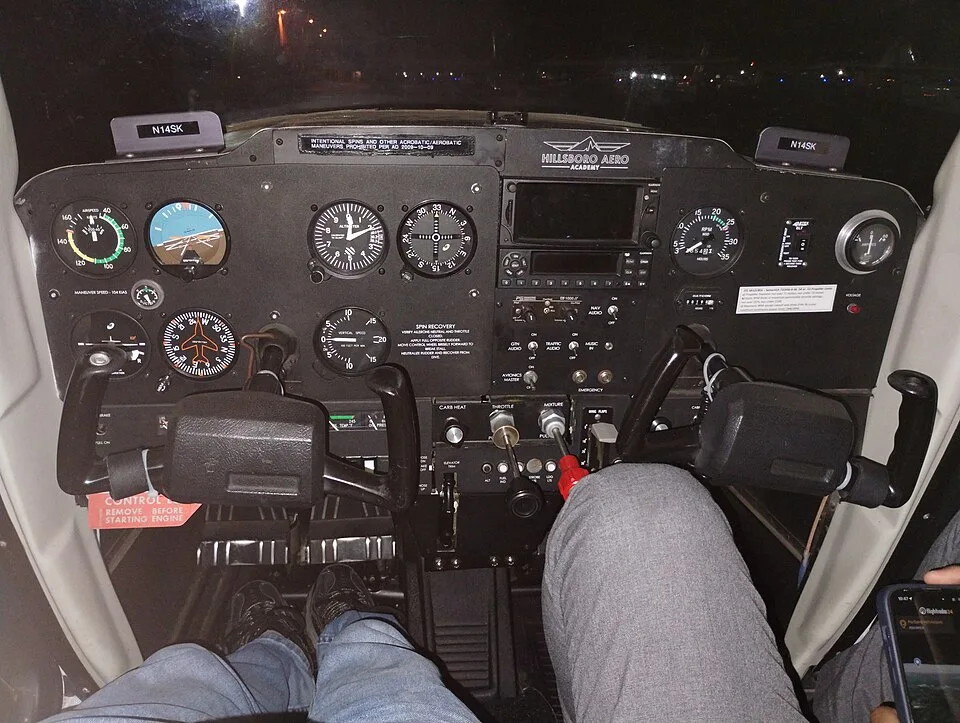
The four certified groups shown here explicitly belong to U.S. 152 and A152 serials. They are not automatically assigned to F152 or FA152. The Reims model references retain their own identity, engine, propeller and publication relationships without importing U.S. CG data through a shared suffix.
This omission does not imply that Reims aircraft lack loading limits. It means the exact relationship is not established by these particular source groups. The A13EU reference and controlling aircraft handbook are the appropriate next evidence, together with the actual Reims aircraft weight-and-balance records.
Using the Reference Responsibly
For a real loading question, establish the aircraft identity, controlling group, current empty-weight definition, equipment state, load amounts and load locations. Each step provides information that the others cannot supply. A serial match establishes eligibility; it does not establish the completed loading condition.
The manuals guide explains the distinction between an aircraft POH/AFM and a generic information manual. The Cessna 152 pillar connects loading with the other technical subjects. Keep the complete aircraft documentation as the basis for an operational decision rather than treating a reference table as a signed aircraft report.
Individual Cessna 152 Model References
- Cessna 152 - 1978-1985
- Cessna A152 Aerobat - 1978-1985
- Reims/Cessna F152 - 1978-1986
- Reims/Cessna FA152 Aerobat - 1978-1986
Related Cessna 152 Subjects
- Cessna 152 aircraft reference
- Serial ranges and identity exceptions
- Models and Variants
- Specifications and Certified Limits
- Engines and Applicability
- Propellers and Approved Applications
- Performance by Model Year
- Fuel Capacity and Tanks
- Systems and Production Changes
- Airworthiness Directives
- Known Issues and Prebuy Research
- Manuals and Documents