Reims Cessna Serial Identification: F, FA and FRA Model Relationships
Reims serial research starts with the full legal model and serial notation. F, FA and FRA identify different model relationships; they are not decoration that can be removed before comparing records. A registration mark, paint scheme or abbreviated sale description is not enough to establish the manufacturer's identity.

Match the legal model first
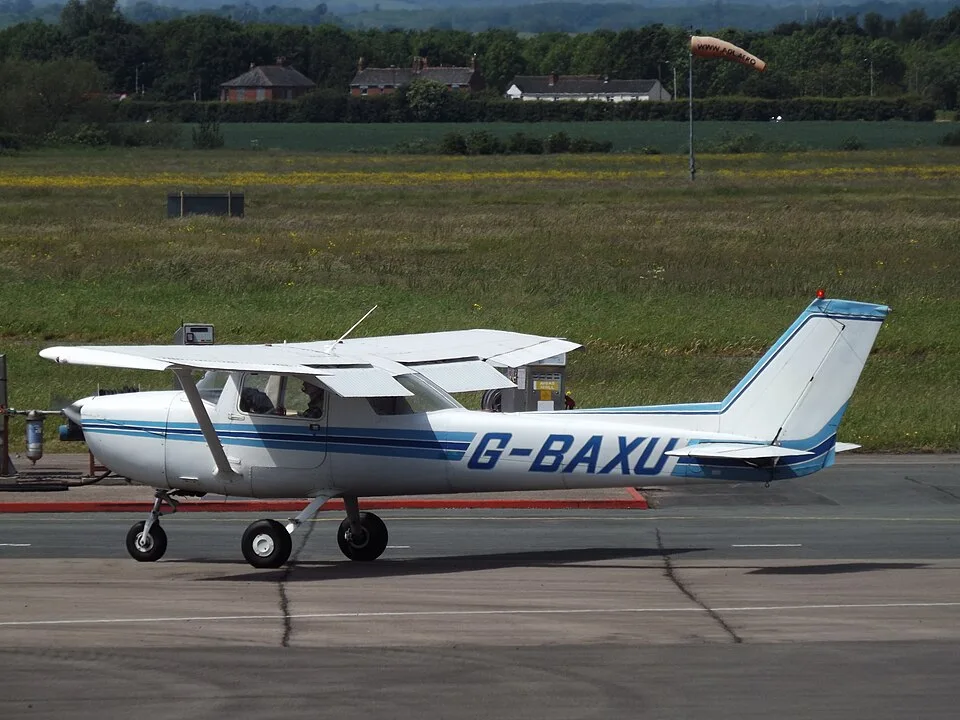
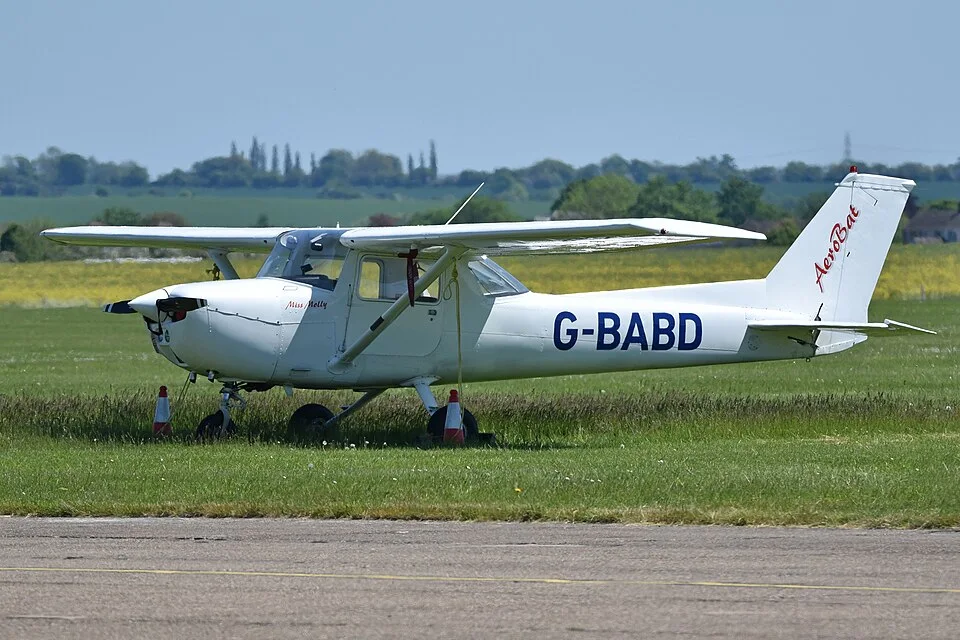
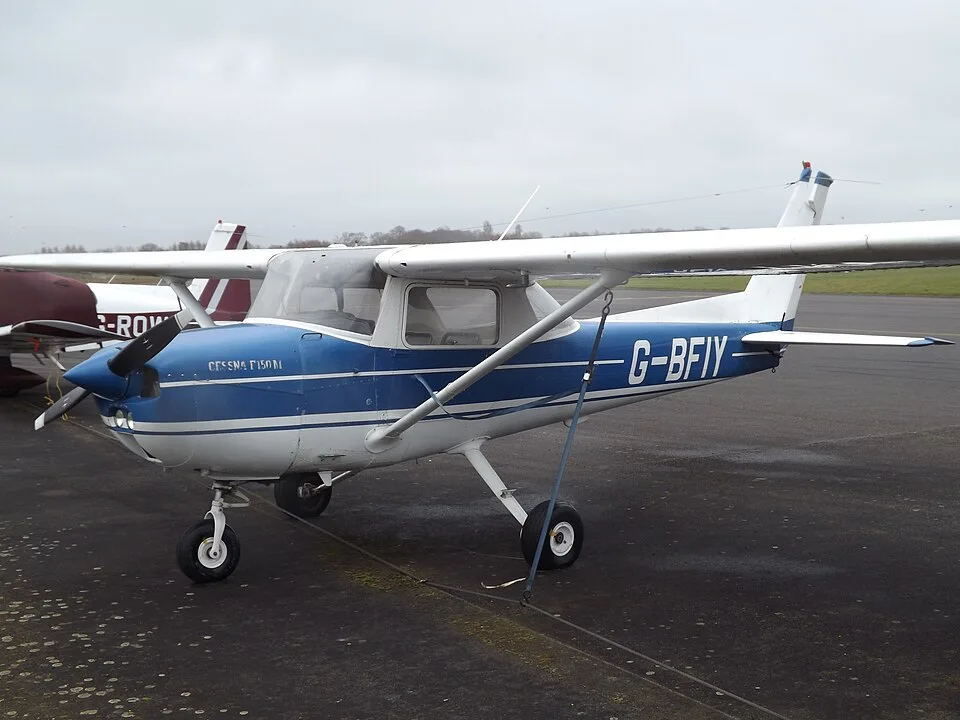
The F150 and F152 standard models belong alongside their respective French-built Aerobat identities, but those identities are not interchangeable. The FRA150 research introduces the O-240-powered context, while other FA150 models follow different engine evidence. The Reims guide provides the family overview.
Reims identities and serial notation (13 records)
| Official Model | Public Name | Certification Category | Model Years | Serial Prefix / Pattern | Certified Serial Eligibility | Important Identity Note | Reference |
|---|---|---|---|---|---|---|---|
| F150F | Reims/Cessna F150F | Utility | 1966 | F150-xxxx | F150-0001-F150-0067 | First model listed on A13EU. | [1] |
| F150G | Reims/Cessna F150G | Utility | 1967 | F150-xxxx | F150-0068-F150-0219 | - | [1] |
| F150H | Reims/Cessna F150H | Utility | 1968 | F150-xxxx | F150-0220-F150-0389 | - | [1] |
| F150J | Reims/Cessna F150J | Utility | 1969 | F150-xxxx | F150-0390-F150-0529 | - | [1] |
| F150K | Reims/Cessna F150K | Utility | 1970 | F150xxxxx | F15000530-F15000658 | Serial formatting changes from the earlier hyphenated F150-xxxx style to F150xxxxx. | [1] |
| FA150K | Reims/Cessna FA150K Aerobat | Acrobatic | 1970 | FA150xxxx | FA1500001-FA1500081 | - | [1] |
| F150L | Reims/Cessna F150L | Utility | 1971-1974 | F150xxxxx | F15000659-F15001143 | - | [1] |
| FA150L | Reims/Cessna FA150L Aerobat | Acrobatic | 1971 | FA150xxxx | FA1500082-FA1500120 | For later serials FA1500121-FA1500261, A13EU also permits FRA150L identity when specified kits are installed. Those configuration-dependent serials are recorded separately. | [1] |
| FRA150L | Reims/Cessna FRA150L Aerobat | Acrobatic | 1972-1974 | FRA150xxxx; conditional FA150xxxx | FRA1500121-FRA1500261; or FA1500121-FA1500261 when equipped with FKA150-2311 and FKA150-2316 | A13EU explicitly defines this as FRA150L OR FA150L with the specified kits. Identity can therefore depend on certified configuration, not prefix alone. | [1] |
| F150M | Reims/Cessna F150M | Utility | 1975-1977 | F150xxxxx | F15001144-F15001428 | - | [1] |
| FRA150M | Reims/Cessna FRA150M Aerobat | Acrobatic | 1975-1977 | FRA150xxxx; conditional FA150xxxx | FRA1500262-FRA1500336; or FA1500262-FA1500336 when equipped with FKA150-2311 and FKA150-2316 | A13EU explicitly defines FRA150M OR FA150M with the specified kits. | [1] |
| F152 | Reims/Cessna F152 | Utility | 1978-1986 | F152xxxxx | F15201429-F15201980 | Manufacturer service data confirms model-year coverage through 1986. Some service-manual year tables start 1978 at F15201449, while A13EU certified eligibility starts at F15201429; preserve this distinction for the serial module. | [1] |
| FA152 | Reims/Cessna FA152 Aerobat | Acrobatic | 1978-1986 | FA152xxxx | FA1520337-FA1520425 | Manufacturer service data confirms model-year coverage through 1986. There is no 1984 FA152 production entry in the service-manual year table, but the certified model remains FA152. | [1] |
Prefixes and notation
The family serial guides preserve the stored formats and special assignments. Where a hyphenated notation and a compact notation refer to one identity, they should become aliases in a lookup, not separate physical aircraft. Any normalization must still preserve the manufacturer and model context that makes the serial meaningful.
The Cessna 150 serial guide and Cessna 152 serial guide retain the source-backed boundaries. Do not fill a missing annual entry by extending an adjacent interval. The FA152 research is an example of why annual-table completeness and legal model coverage are different questions.

Identity does not settle installation
Once the model is resolved, use its exact engine, propeller and manual evidence. A serial match cannot prove what remains installed after alterations or whether a component directive has been complied with. The Reims manuals guide explains the next document-selection step.
A serial range identifies a model group; the individual aircraft’s history comes from its identification, registration and maintenance records. Keep those records together when a sale description uses a shortened model name or a year that differs from the model-year table. Resolve the full Reims identity before choosing an engine reference, operating handbook or modification approval. A range match cannot supply missing ownership, delivery or installation history.
Argentine mappings are a separate problem
Do not merge an Argentine identifier with a French-built serial merely because both need notation normalization. The Argentine records include exact pairs and block-endpoint evidence with different precision. Those mappings require their own source-backed treatment. In every origin, aliases should resolve a known identity rather than create extra aircraft, while uncertain relationships should remain explicitly uncertain.
The Reims certification guide separates historical manufacturer from later certificate administration. For FA/FRA naming, the FRA150 development guide keeps kit eligibility distinct from an established installation.

Follow the conditional result to the aircraft file
The serial lookup displays the FA/FRA kit conditions beside a qualifying range match. It does not select the installed identity from the prefix alone. Keep the condition visible when comparing the aircraft’s identification and modification records, including any exact model page reached from the result.
For component work, the replacement-part applicability guide helps separate an airframe match from an engine, propeller or kit enquiry. A U.S. family application and a Reims approval still require their own scope; similar names are not sufficient evidence of interchangeability.