Cessna 150 and 152 Modifications: Model Specification vs Actual Aircraft
A model specification describes an approved aircraft design or a defined production configuration. An individual Cessna 150 or 152 has another history: the equipment fitted to it, work performed, components replaced and documents revised during its life. Two aircraft with the same model designation can therefore be materially different research subjects without either having become a new model.
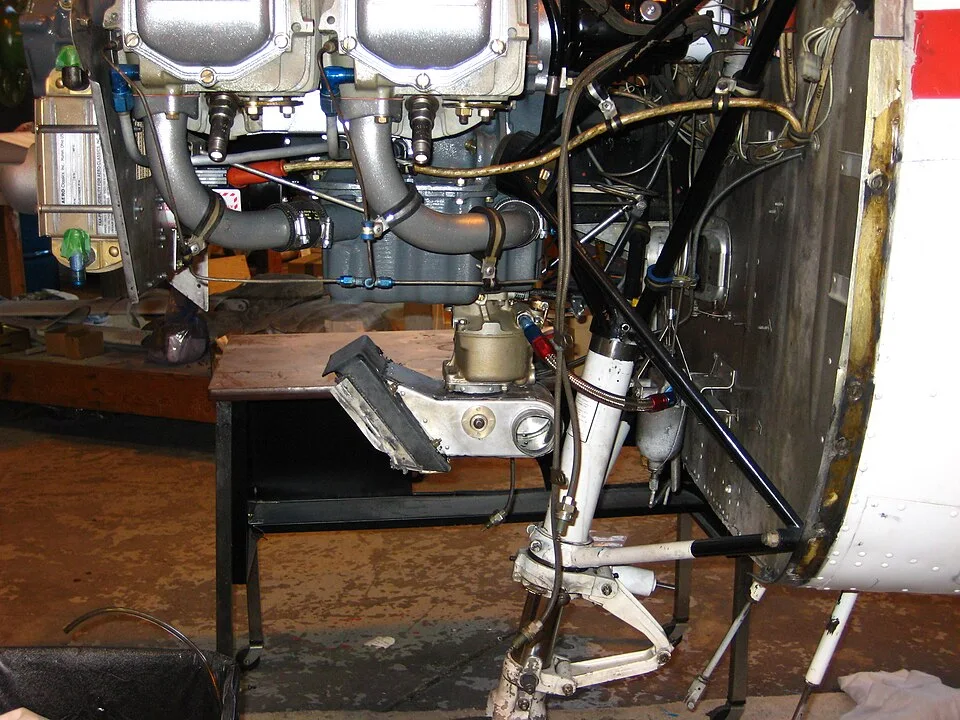

This distinction is useful throughout ownership. The question is not just whether a feature was available for a 150 or 152, but whether it belongs to this aircraft, how it was installed and what associated records apply. The buying guide begins that enquiry at purchase; a configuration history keeps it useful through later changes and eventual transfer to another owner.
The model establishes a starting framework
Original type design establishes an approved framework for the aircraft. Production configuration describes a more particular arrangement within that framework, potentially narrowed by year, serial or equipment option. A factory engine entry is one example; a choice of fuel installation is another. The model name can lead to the relevant information without proving every item originally fitted to an individual airframe.
Optional equipment does not automatically create another legal model. Likewise, a later replacement panel does not make an early aircraft a later production generation. The model directory keeps the identities separate, and the production history explains how those identities developed. Present configuration should be described alongside that history, rather than used to rewrite it.
Changes can follow different paths
A replacement component may restore an existing arrangement, while an alteration changes an aspect of the aircraft. A repair addresses damage or deterioration; an equipment option may have been installed during production or introduced later through an applicable process. These descriptions are not interchangeable simply because all the work appears in an aircraft logbook.
An owner does not have to turn every record into a new aircraft category to understand the difference. Instead, follow what the entry says was done, which aircraft or component it identifies and which documents support the work. A short advertisement such as upgraded engine or new propeller leaves most of those questions unanswered. The component-records guide illustrates why the actual product identity and its history have to remain connected.
- Production starting pointModel, serial and original equipment context
- Aircraft historyRepairs, replacements, alterations and their records
- Present configurationInstalled equipment, operating documents and weight and balance
- Aircraft-specific reviewConnect identity and records with applicability and inspection findings
Approval and installation answer different questions
A supplemental type certificate, or STC, approves a change to an existing type design within its specified scope. Its existence establishes an approval, not that a particular aircraft received the change. Installation records and the aircraft itself answer the latter question. The STC and Form 337 guide examines the supporting evidence and the distinction between approval and permission to use it.
In the U.S. system, Form 337 records major repairs and alterations. The form is not a synonym for an STC: an alteration record and a design approval have different roles. An approval through the field-approval process can also concern one serial-numbered aircraft. These terms describe a documentary structure, not a procedure for deciding which approval route a proposed alteration requires.
The significance for a Cessna owner is practical. A folder containing an STC number, a form and an invoice may contain several parts of the story, but the dates, aircraft identifiers and descriptions must connect. A document for a previous installation does not establish the current one. Nor does a similar installation on another aircraft prove eligibility for this model, serial or registration jurisdiction.

Engine conversions affect more than the engine name
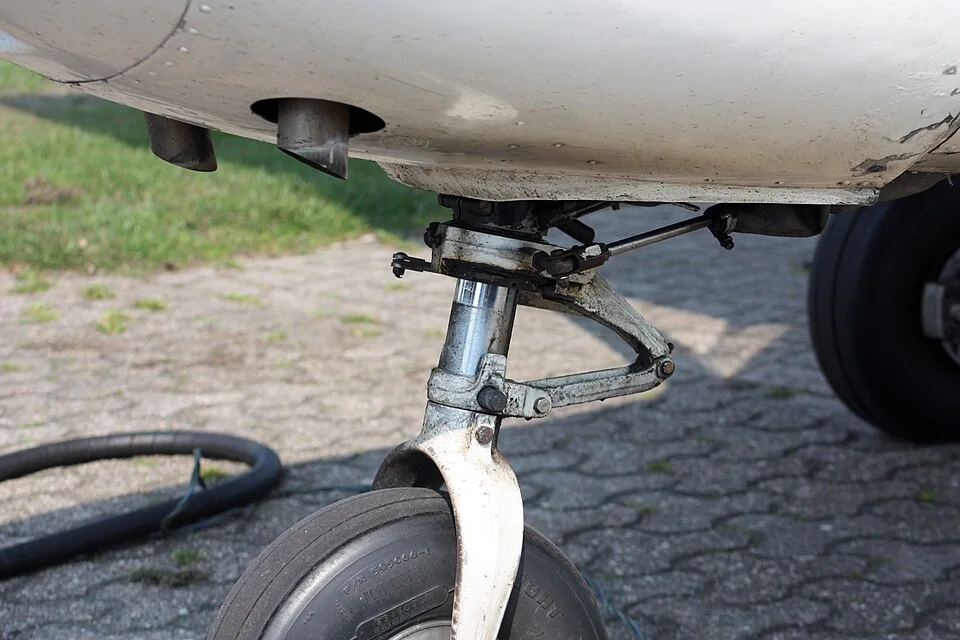
The familiar O-200 and O-235 families describe important factory lineages, but surviving aircraft can have documented changes. An engine conversion is an aircraft installation question as well as an engine question. The propeller, supporting equipment, operating information and weight-and-balance record may need to be considered with the powerplant. The conversion overview connects those subjects without treating an engine's availability as approval to install it.
A higher power figure cannot by itself establish useful load, climb performance or an approved operating limit. Those answers belong to the applicable aircraft configuration and its documentation. An engine's time history is also separate from the airframe's: replacement does not erase the older aircraft's structural history. The engine-time explanation distinguishes the quantities that otherwise become compressed into a single advertised number.
A propeller change has its own identity
The propeller model is more informative than the maker's name or a claim that the propeller is new. Its application must relate to the engine and airframe, with the relevant dimensions and conditions. Repair, overhaul and replacement also describe different events in the component's life. An old aircraft can have a younger propeller, and a replacement propeller can have an earlier history of its own.
For that reason, follow the component record to the unit actually installed. The propeller application guide supplies the model relationships; maintenance and installation records supply the individual history. Neither a catalog entry nor the appearance of the blade resolves the complete question. This is the same model-versus-aircraft distinction at a smaller scale.
Why two aircraft can have different useful loads
Useful load depends on the applicable weight limit and the aircraft's actual empty-weight basis. Radios, instruments, interiors and other equipment can change the empty weight. Their location can also affect balance. Removing something and adding something of similar weight does not necessarily leave the center of gravity unchanged, because the positions may differ.
Consider two aircraft of the same model, one with a documented equipment change and another retaining a different installation. The model table alone cannot tell which has more payload available. Their current equipment lists and weight-and-balance reports supply the comparison. This is a conceptual example, not a claim that any named package adds or removes a particular weight.
The useful-load article explains the quantities, while the weight-and-balance records guide follows the paperwork. Fuel selection then uses part of the available loading allowance; a larger tank does not increase the certified maximum weight merely by existing. Configuration, loading and performance belong together, but remain separate questions.

Repairs and service information add different kinds of history
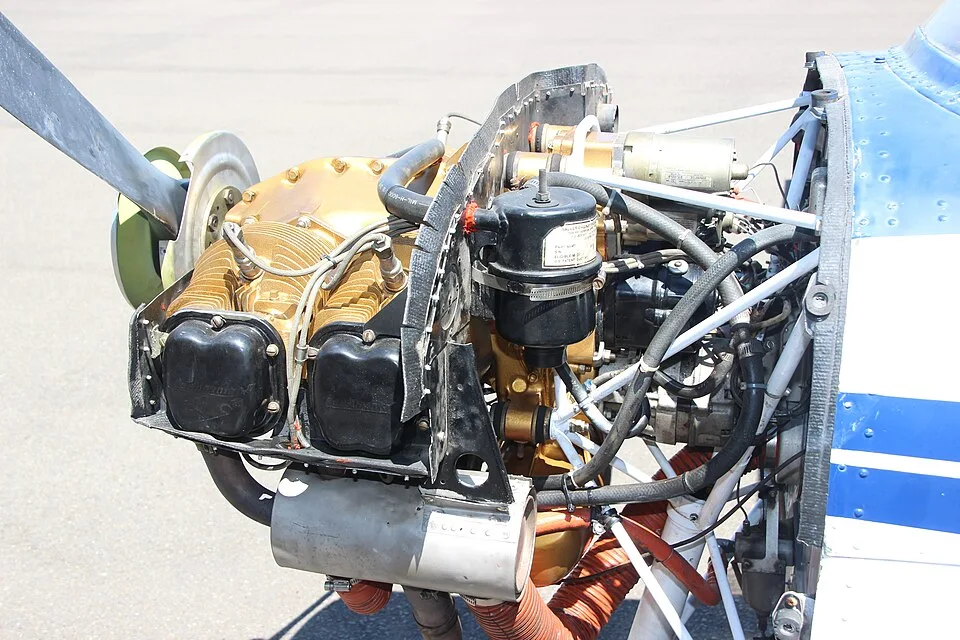
A repair record can explain work on structure, controls or another assembly without establishing the condition of the entire aircraft today. Its location, method and subsequent history matter. The damage-history guide connects that documentary account with inspection questions. A repaired aircraft and an aircraft with missing repair information are not equivalent descriptions, and neither can be assessed from a generic model reputation.
Service information has another role. A manufacturer's bulletin or instruction may describe a recommended action or a technical change; an AD has a distinct regulatory identity and applicability. A publication in the file does not prove that work was performed. The AD-records guide explains how an action and any continuing obligation remain connected to their basis without relabeling every service publication as an AD.
French and Argentine identity needs its own care
Reims FA/FRA relationships provide an unusually clear example of configuration affecting how an aircraft is identified. Specified kits and eligible serial relationships matter; the prefix alone does not prove an installation. The Reims modification guide retains the relevant approval context. U.S. STC information must not be assumed to transfer unchanged to every French aircraft.
Argentine local-to-Cessna cross-references answer a different question about identity and assembly history. They do not supply missing installation approvals or convert a local standard designation into a U.S. Aerobat. Keeping these cases separate helps an owner avoid treating every unfamiliar name as either a modification or a new aircraft.
Keep a history that another person can follow
The useful end product is a connected account: identify the airframe, establish the installed equipment, follow the relevant change records and reconcile the current operating and loading documents. Earlier entries remain useful because they explain how the aircraft reached its present state. An unresolved discrepancy should remain identifiable until it is resolved, rather than disappear into a shorthand description of the aircraft.
At inspection or handover, that account gives the next person specific questions to verify. The prebuy guide connects records with physical examination, and the ownership guide places configuration history within ongoing care. A model specification remains valuable throughout this process. It provides the common starting point from which the individual aircraft's differences can be understood.