AD 2000-06-01: Cessna Fuel Strainer Standpipe Research
AD 2000-06-01 addresses incorrectly installed fuel-strainer standpipes that could admit contamination and cause loss of engine power. Its practical relevance is the connection between a specific fuel-system component and the directive's affected aircraft scope. A general statement that the aircraft has a gravity-fed fuel system does not resolve that applicability question.
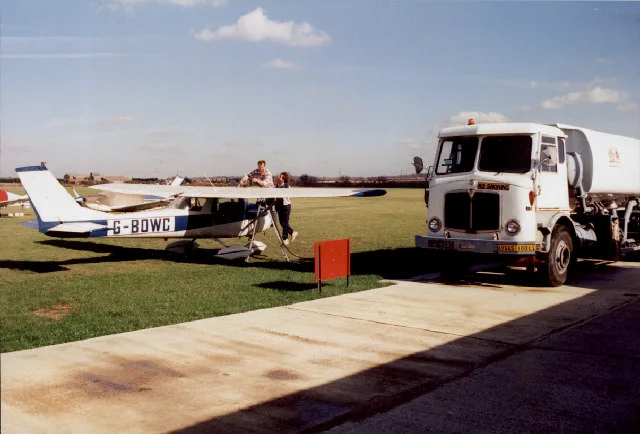

Preserve the directive's scope
The table retains the action summary, applicability, status and reference date. The associated issue record includes listed later 150 models, Aerobats, Argentine or Reims equivalents and the 152 family in the directive's scope. The actual controlling model list must be checked rather than reconstructed from a family label.
| AD Number | Title | historical status | Effective Date | C150/152 Applicability | Required Action Summary | Recurring / Event | Reference date | Reference |
|---|---|---|---|---|---|---|---|---|
| 2000-06-01 | Fuel Strainer Standpipe | CURRENT | 2000 | All serials of listed 150F-M, A150K-M, Argentine, Reims and 152-family models. | Inspect/modify fuel-strainer standpipe/top assembly to prevent fuel starvation. | Conditional | 2026-09-08 | [1] |
| 2000-06-01 | Fuel Strainer Standpipe | CURRENT | 2000 | All serials of listed 150F-M, A150K-M, Argentine, Reims and 152-family models. | Inspect/modify fuel-strainer standpipe/top assembly to prevent fuel starvation. | Conditional | 2026-09-08 | [1] |
What the FAA text adds
The FAA rule became effective on May 5, 2000. Its applicability paragraph expressly includes Argentine A-150L and A-A150L and listed Reims models. This must remain separate from the EASA index remarks, which concern European validation and identify separate French State-of-Design directives. The French 2000-529(A) reference explains that distinction.
Paragraph (c) provides a specific records route for an owner/operator holding at least a private pilot certificate: an absolute determination that the named 0756005-2, -8 or -9 assembly is absent or was installed before December 12, 1996, with a corresponding aircraft-record entry. Missing paperwork is not that determination. Paragraphs (a) and (b) otherwise specify measurement within 12 calendar months of the effective date, unless already accomplished, and replacement before further flight when the stated dimension is not met. These are historical rule provisions, not a fresh compliance period or a substitute for the incorporated service instructions.
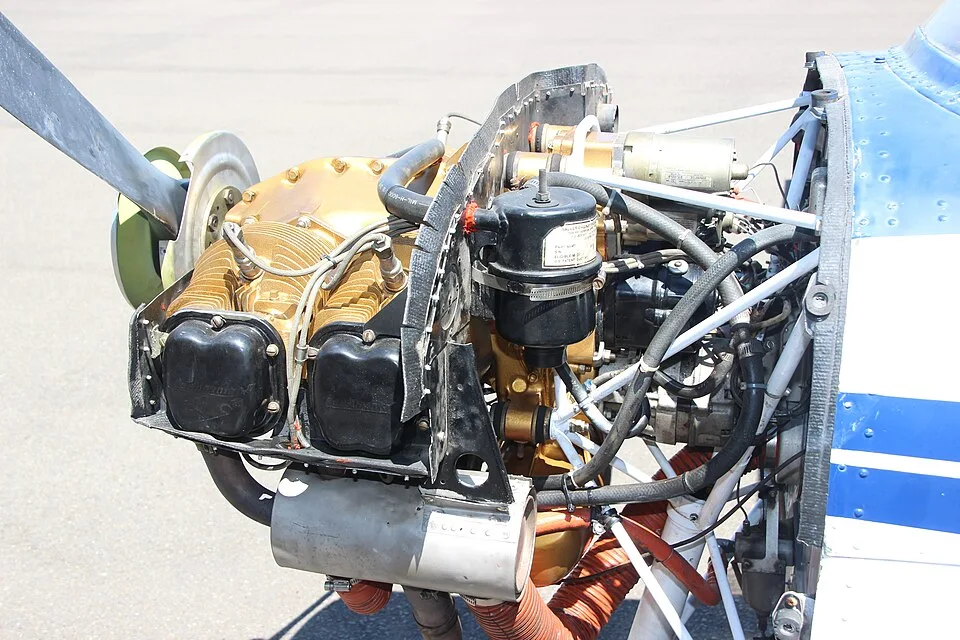

Installed equipment and compliance evidence
An aircraft's legal identity helps locate the relevant publication. The installed component and maintenance records then help determine what action is applicable and what evidence supports completion. A website table cannot establish either the physical condition of the strainer or the aircraft's current compliance status.
The fuel-system guide places the strainer in the supply architecture. Capacity and fuel indication are separate topics; neither a tank-size statement nor a satisfactory gauge reading proves that this component concern has been addressed.
Reading a maintenance entry
Ask the reviewing mechanic to connect the directive number, action described and supporting records. Distinguish a generic strainer service from the specific evidence needed for this directive. If the records are incomplete, write down the unresolved question instead of treating the absence of detail as proof of completion.
The logbook research guide explains that approach in the broader aircraft review. The source date here records a historical verification snapshot, not a current legal-status guarantee. This article provides no disassembly instructions or substitute compliance method; use the applicable authority text and controlled maintenance information for those decisions.


A useful applicability note
Record the legal aircraft identity and the component evidence used in the review, together with the directive edition consulted. Keep the action claimed in the maintenance history separate from the current assessment. This prevents a table match or an old source snapshot from being mistaken for a completed compliance review, and leaves a clear question when the installation or records remain uncertain.