AD 79-02-06: Early Cessna 152 and A152 Exhaust Systems
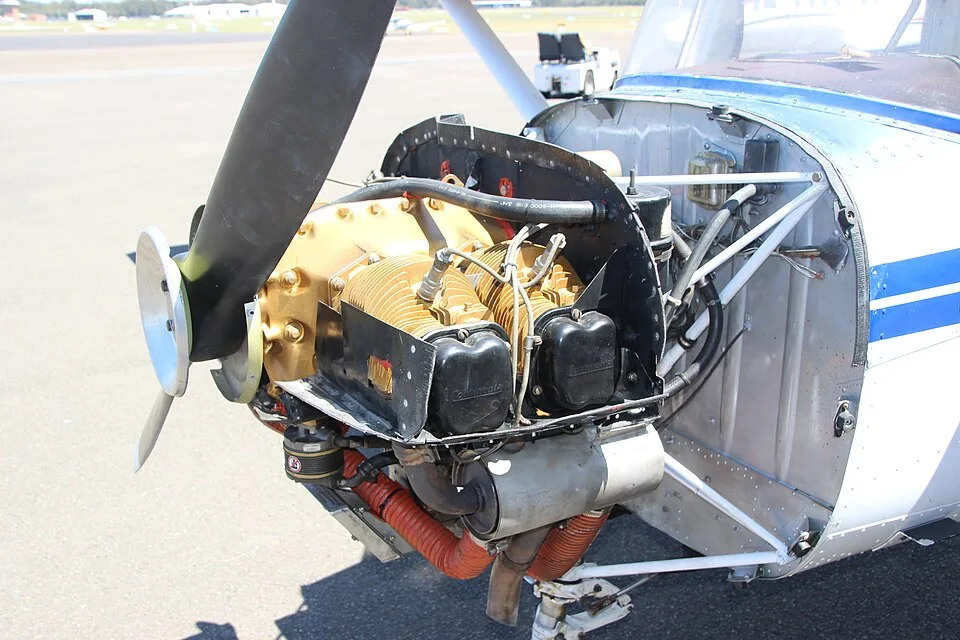
AD 79-02-06 addresses an early Cessna 152/A152 exhaust-system context, not every exhaust installation found on those models. The retained record lists 15279406-15282919 and A1520735-A1520845 with the original-equipment type exhaust, and describes a KMR muffler inspection and replacement context. Aircraft serial and exhaust configuration must therefore be researched together.

Original equipment is an applicability condition
A serial in the listed range does not tell you which exhaust system is installed today. Subsequent muffler replacement or an approved system change may be material to the research. Conversely, a later log entry saying “exhaust work” does not identify the resulting configuration unless the work description or associated paperwork supplies that information.
| Reference family | AD Number | Title | Layer | Effective Date | C150/152 Applicability | Required Action Summary | Recurring / Event | Supersedes | Superseded By | Reference | Source Class | Reference Note |
|---|---|---|---|---|---|---|---|---|---|---|---|---|
| Cessna 152 | 79-02-06 | Exhaust System | AIRFRAME | 1979-01-25 | 152 S/N 15279406-15282919 and A152 S/N A1520735-A1520845 with Cessna original-equipment type exhaust. | Inspect clearance/muffler; repetitive 50 h inspection for affected KMR mufflers until terminating kit/new muffler. | Yes | 78-21-01 | - | [1] | Verified regulatory-text reproduction / specialist cross-check | - |
| Cessna 152 | 78-21-01 | Exhaust System predecessor | AIRFRAME | - | 152/A152 exhaust predecessor rule. | Historical only. | Historical | - | 79-02-06 | [1] | Verified regulatory-text reproduction / specialist cross-check | Historical record only. Do not present as current controlling AD. |
- [1] AD 79-02-06
The table also retains predecessor AD 78-21-01. Its presence explains a reference that may appear in old logs; it is labeled as historical context rather than a second current requirement. This article uses the retained source record and does not make a live regulatory-status claim.

Clearance and cracking are related research subjects
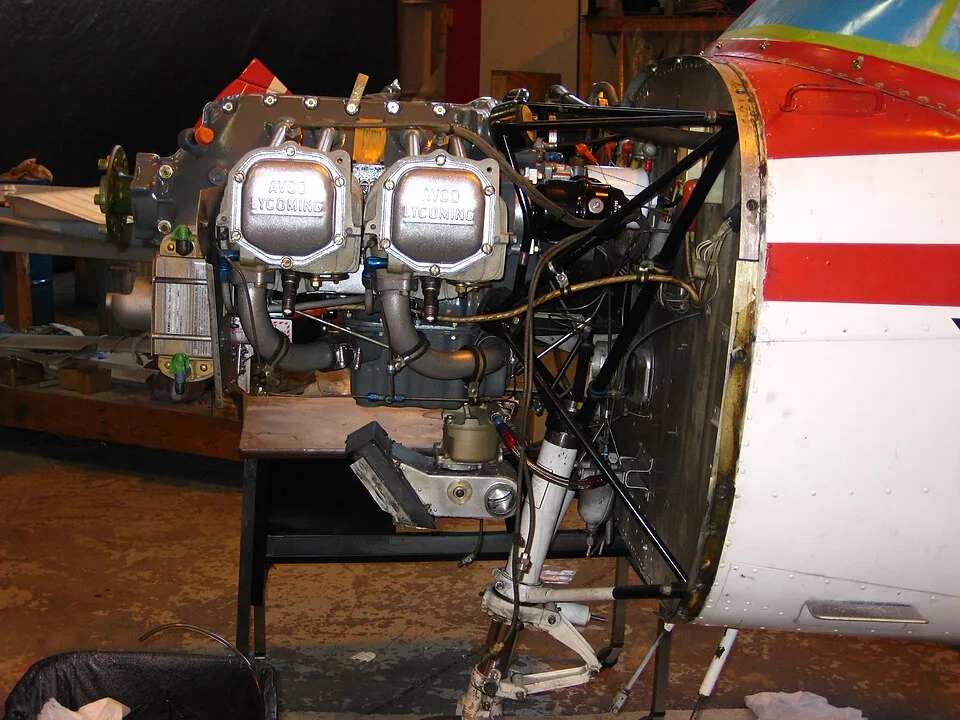
The associated issue entry describes original-equipment/KMR muffler clearance and durability concerns, with an exhaust and cabin-heat consequence. That is a specific early-152 context. The older 150 heat-exchanger concern belongs to a different model and serial scope and should not be substituted because both involve cabin heat.
| Reference family | Issue ID | Category | Title | Failure Mode | Affected Scope | Applicability Class | Severity | Operational Consequence | Detection / Prebuy Clues | Maintenance / Mitigation | Legal / OEM Status | Primary Source Ref | Reference | Prebuy Priority | Confidence | Notes |
|---|---|---|---|---|---|---|---|---|---|---|---|---|---|---|---|---|
| Cessna 152 | KI-015 | Exhaust / Cabin Heat | 152 muffler/exhaust clearance and cracking | Original-equipment/KMR muffler configurations can have clearance/durability issues requiring inspection/modification. | 152 S/N 15279406-15282919; A152 S/N A1520735-A1520845 with original-equipment exhaust. | SERIAL / CONFIGURATION | CRITICAL | Exhaust failure and carbon monoxide/cabin-heat hazard. | Check AD terminating action, muffler type, clearances and inspection history. | Repetitive 50 h inspection for affected mufflers until terminating kit/new muffler. | FAA AD - mandatory | AD 79-02-06 | [1] | CRITICAL | HIGH | Do not apply to a later replacement system without configuration check. |
- [1] AD 79-02-06
The cabin-heat guide explains the relationship between exhaust heat exchange and cabin air. It does not establish muffler condition, acceptable clearances or a repair procedure. The applicable inspection and maintenance instructions are needed for those determinations.
Interpreting recurring and terminating work
The retained summary describes recurring inspection for affected mufflers until the specified kit or replacement context. A buyer should establish which action a log entry actually documents: an inspection, a repair, or a replacement intended to address the requirement. Those entries are not interchangeable, and a generic recent inspection date does not identify which branch applies.
This page does not calculate a due time or decide that a particular replacement is terminating action. That requires the controlling text, exact equipment and aircraft records. Keep the evidence of part identity alongside the work entry so the relationship can be evaluated.

Comparing two early 152 aircraft
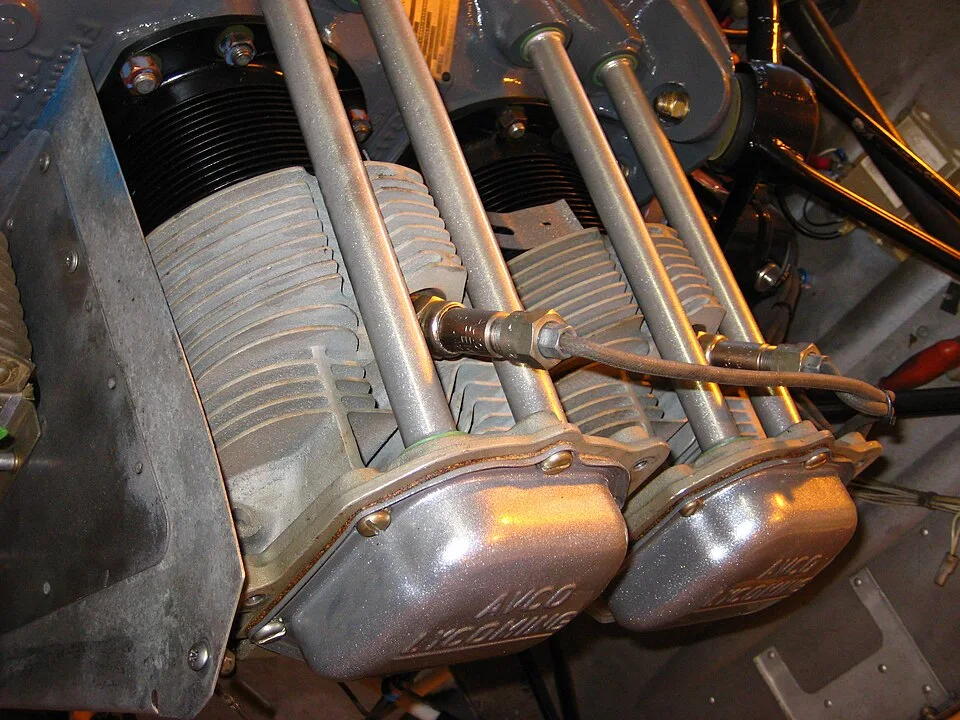
Two aircraft from the same production group may have different exhaust histories. One may retain a documented original arrangement; another may have a later approved replacement. Compare the installation evidence and maintenance continuity rather than inferring risk from age alone. The useful result is a clear account of the system present, the work recorded and the unresolved questions for inspection. A model-range match by itself establishes none of those aircraft-specific facts.