AD 79-10-14 R1: Cessna 150 and A150 Fuel Tank Venting
AD 79-10-14 R1 is the fuel-tank venting directive associated with specified Cessna 150 and A150 aircraft. The revision suffix is part of the directive identity. It should not be dropped when connecting a logbook entry with the source being reviewed.
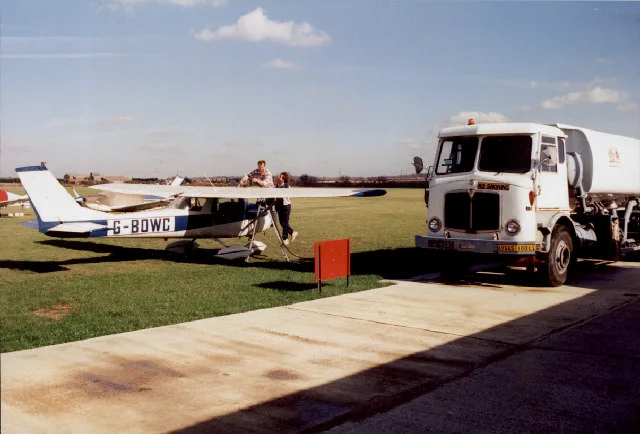

What the source record establishes
The table retains the directive's recorded title, scope, action summary and status fields. Its verification date is a source snapshot, not a live search of every subsequent authority action. Read the controlling current text and applicability before making a compliance determination.
| AD Number | Title | historical status | Effective Date | C150/152 Applicability | Required Action Summary | Recurring / Event | Supersedes | Reference date | Reference |
|---|---|---|---|---|---|---|---|---|---|
| 79-10-14 R1 | Fuel Tank Venting | CURRENT LEGACY | 1988-05-30 | Specified U.S. 150/A150 serial groups through 1975 production; exact serials in controlling AD. | Install approved vented fuel-cap/venting configuration. | No | 79-10-14 | 2026-09-08 | [1] |
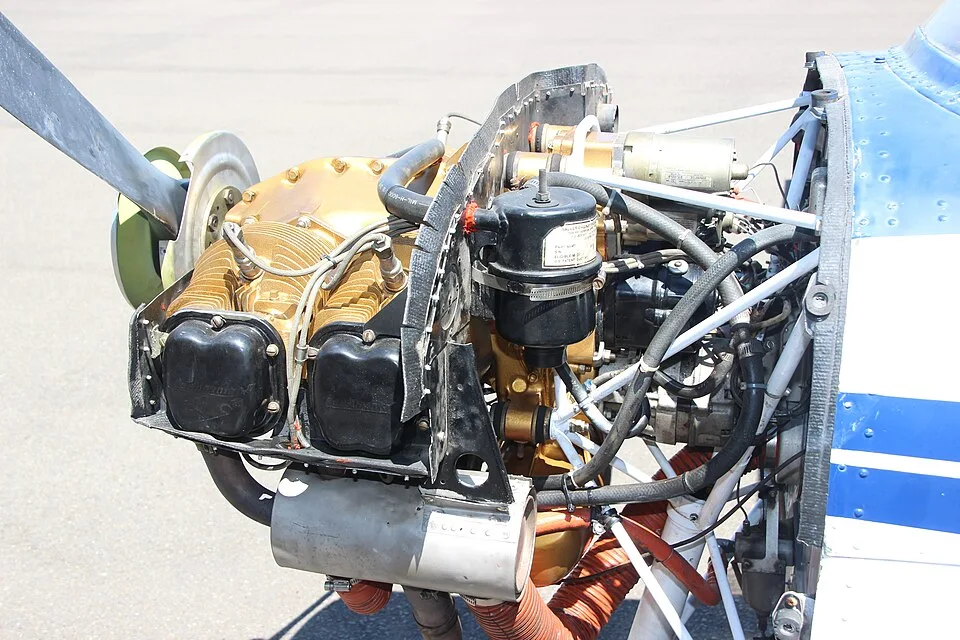

Model, serial and configuration
The associated venting issue identifies the U.S. serial-group context through 1975 production. Do not extend that summary automatically to Reims aircraft or every 152. The full directive and aircraft records are needed to establish the precise applicability and action relevant to a particular installation.
A cap or tank description in a sale listing cannot establish compliance. Confirm the installed configuration and the maintenance evidence supporting any claimed action. An eligibility match identifies a question to investigate; it does not answer whether the required action was completed.
Connect the directive to the system
The fuel-system reference separates venting from supply, drains and quantity indication. That context helps explain why a general fuel-system check may not address the directive's particular subject. Retain the specific directive number and action in the records review.
The logbook guide provides a way to record unresolved evidence. This article is an explanation of the reference, not a procedure for modifying fuel-system parts or a declaration of aircraft airworthiness. For an aircraft-specific question, retain the complete directive number, revision and applicable paragraph with the maintenance record being examined.

Retain revision identity in the record
When comparing a maintenance entry with a source reference, preserve the complete directive number including R1. If the entry cites a different revision or only a broad subject, have the reviewer establish how it relates to the controlling action. Do not silently rewrite the historical entry or assume that similar titles mean identical requirements. The evidence trail should make that relationship explicit.