AD 2026-17-10: Lycoming O-235 Piston-Pin Applicability
FAA AD 2026-17-10 creates a specific piston-pin research question for Lycoming O-235 installations, including engines used in the Cessna 152 family. It is not an airframe-serial directive and does not mean every 152 engine has the affected pins. As of 11 September 2026, its effective date of 14 September 2026 is still in the future; planning must preserve that distinction.
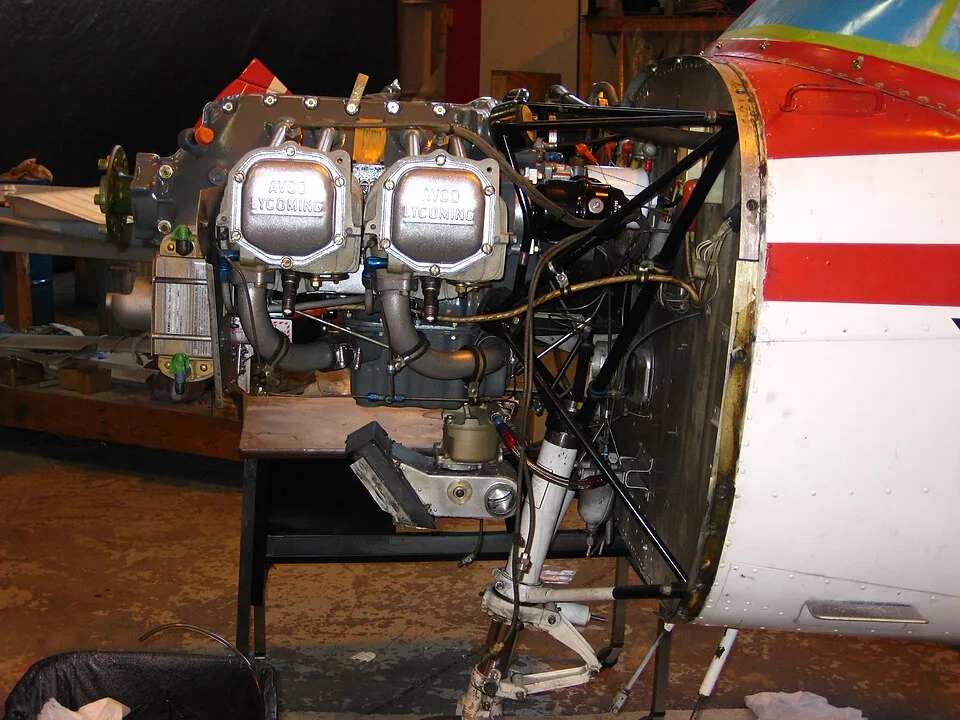

Match the engine and the installed pins
The FAA directive includes O-235-L2C and O-235-N2C in paragraph (c), together with engine serials in MSB 667A Tables 2 or 3 and installed LW-13445 pins with the specified OEM Form 8130-3 production dates, 7 January 2021 through 15 December 2025. Its missing-date or unavailable-form provision must also be read; missing paperwork is not proof of exclusion. Paragraph (i) separately prohibits installation of affected pins on any engine after the effective date.
Make a private evidence bundle with the complete engine designation and serial, pin identification, relevant release document and installation record. Keep the airframe identity alongside it for traceability, but do not substitute the aircraft's production year for a pin's production evidence. Engine work performed decades after aircraft manufacture is precisely why those dates must remain separate.
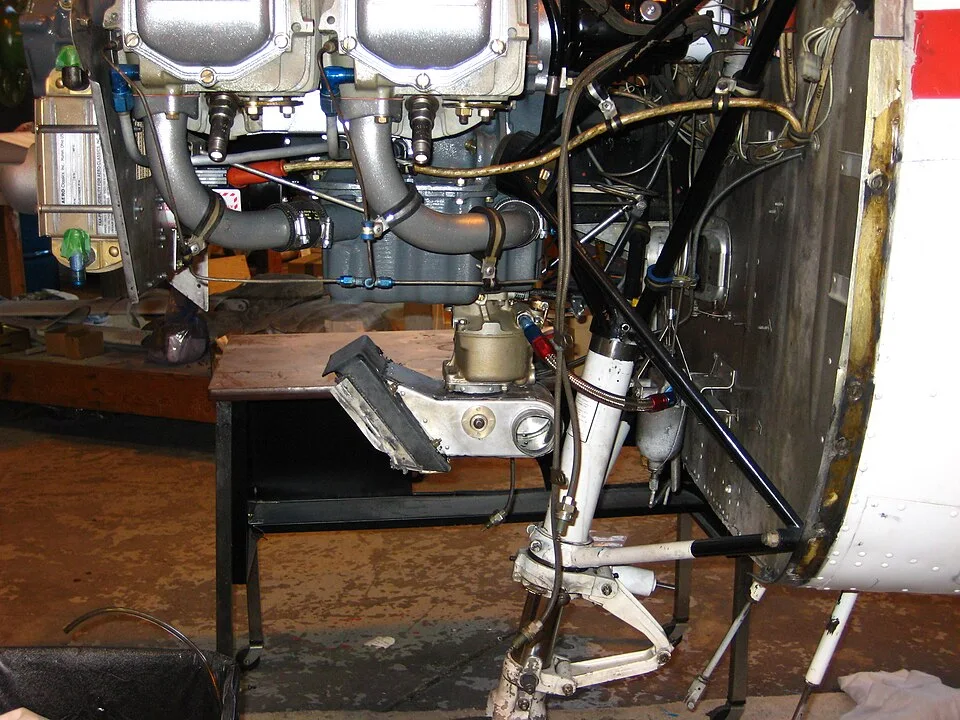

Use the exact bulletin table
Lycoming MSB 667A, dated 12 March 2026, separates the O-235 serial entries between Tables 2 and 3 on pages 4 and 5. Preserve prefixes and suffixes when comparing the actual engine number. The tables list individual entries; this article does not convert them into an inferred continuous range or add them to the airframe serial tool.
The bulletin also discusses spare pins and cylinder kits. A box label, an engine logbook and an OEM release form answer different parts of the research question. If they conflict, retain the conflicting evidence and identify the unresolved connection rather than selecting the most convenient date.
Read the action branches before setting a deadline
AD paragraph (h) separates actions by table group, pin time in service and inspection findings. Some branches require action before further flight. Its Table 2 replacement provision names SI 1009BE, dated 24 April 2020; a newer general TBO schedule is not automatically a substitute. These are reasons to use the full directive for the maintenance plan, not a universal countdown supplied by this article.
Write the applicable paragraph next to each proposed action and deadline in the AD status record. Have the maintenance reviewer resolve the actual branch using the aircraft evidence before relying on a scheduling summary.
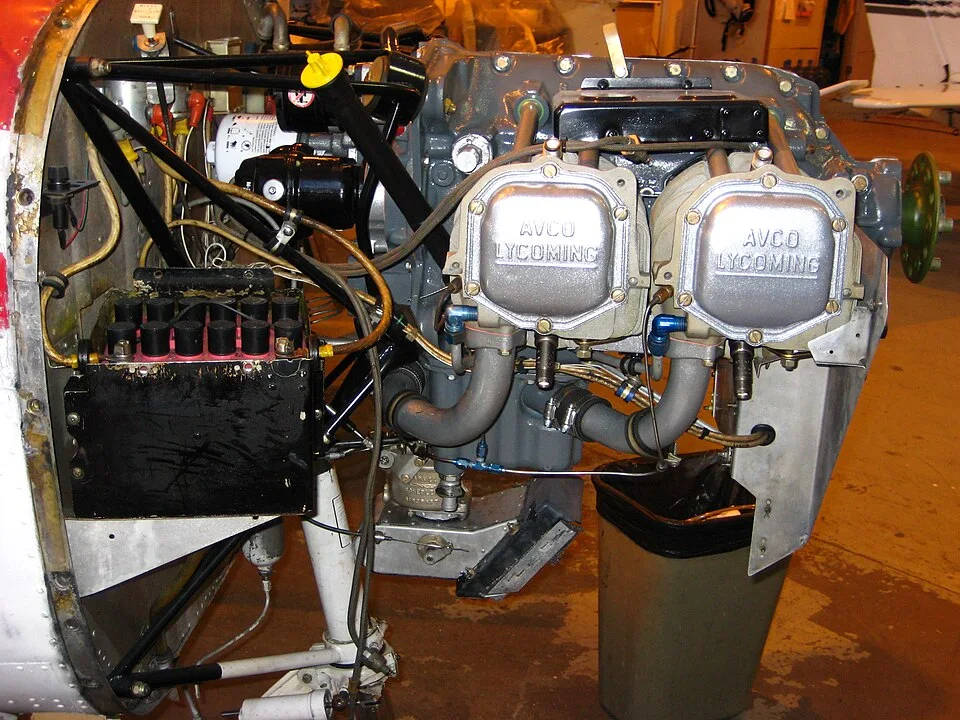

Distinguish the rule from the service instructions
The AD and MSB are related documents with differences; the AD/service-document guide explains how to read that relationship. Check for later revisions, corrections and applicable approved alternatives before using these documents.
The O-235 variant comparison helps identify the engine branch, while the TBO guide explains the broader overhaul context. Neither engine variant nor a general overhaul figure alone settles the installed pin's applicability.