AD 2011-10-09: Cessna Seat Rails, Rollers and Locking Pins
AD 2011-10-09 concerns seat rails, rollers and locking pins on its listed Cessna models. The directive calls for repetitive detailed seat-system inspections and replacement of worn or defective components. Potential applicability comes from the directive's model list and scope; an aircraft's actual compliance can be determined only from the controlling requirements, inspections and records. The historical status is dated 8 September 2026; check current authority requirements before assessing compliance.
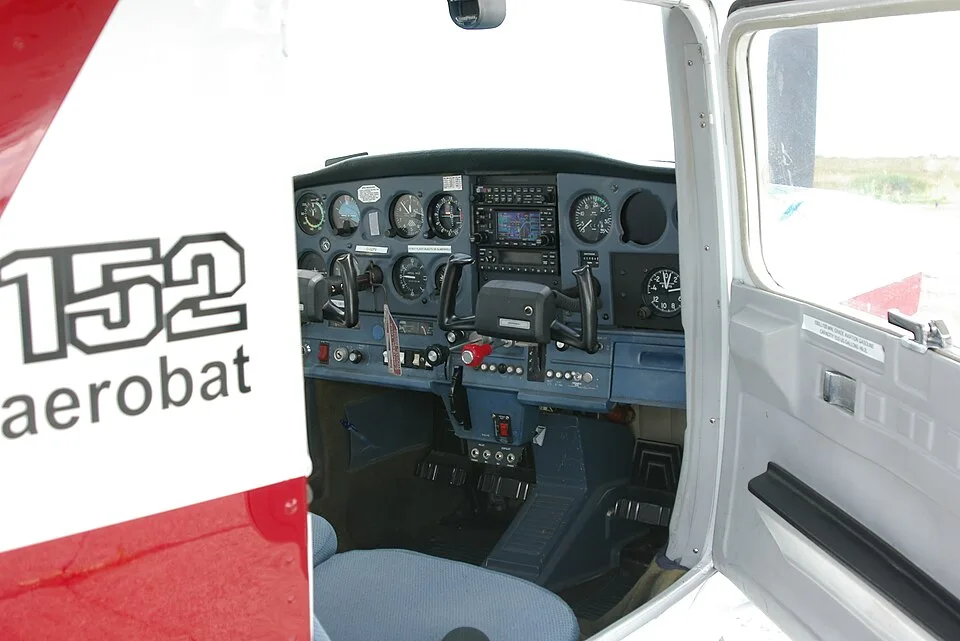

The seat system, not just the rail
An account that reduces this subject to “check the seat tracks” misses the connected components. The issue evidence names rail holes, rollers, housings, pins and springs because wear, damage or inadequate engagement can allow the seat to move unexpectedly. The practical concern is maintaining occupant position and access to the controls, not merely whether a seat can be adjusted normally while parked.
The seat-rail issue guide separates that locking/wear concern from corrosion of the supporting structure. Both can be relevant during an aircraft investigation, but a satisfactory result for one is not evidence about the other. The directive record supplies the regulatory subject; the issue record helps explain why owners and buyers encounter it in maintenance history.
| AD Number | Title | historical status | Effective Date | C150/152 Applicability | Required Action Summary | Recurring / Event | Supersedes | Superseded By | Reference date | Reference |
|---|---|---|---|---|---|---|---|---|---|---|
| 2011-10-09 | Seat Rails, Rollers and Pins | CURRENT | 2011-06-17 | All serials of listed models 150A-M, A150K-M, F150F-M, FA150K-M, FRA150L/M, 152/A152/F152/FA152. | Repetitive detailed seat-system inspections and replacement of worn/defective components. | Yes | 87-20-03 R2 | - | 2026-09-08 | [1] |
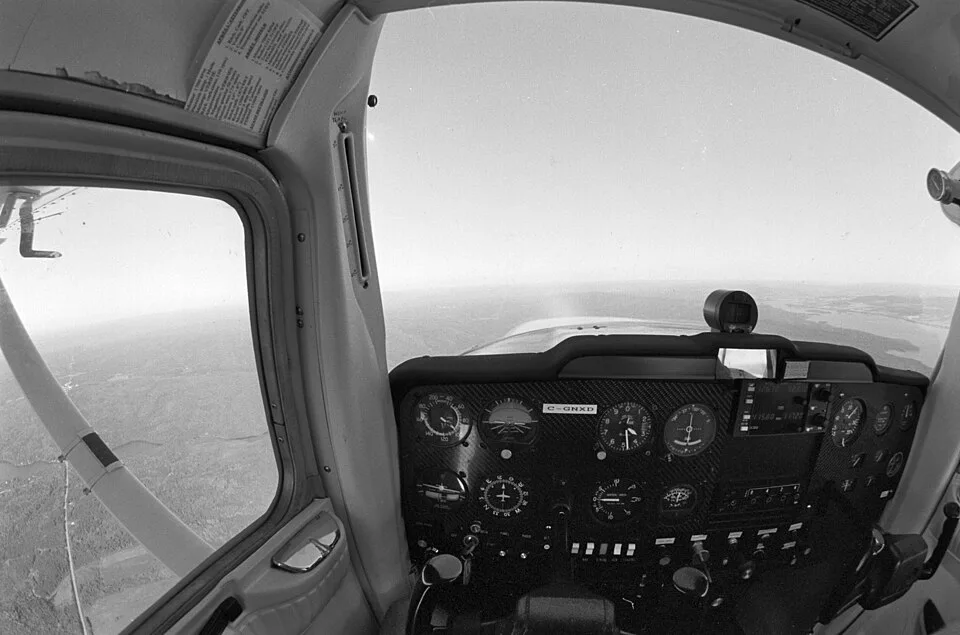

Read the listed models precisely
the scope names 150A-M, A150K-M, F150F-M, FA150K-M, FRA150L/M and the 152/A152/F152/FA152 identities. It does not follow that every aircraft informally called a “150” has been established as included. In particular, the original unsuffixed 150 should not be added merely because its name resembles the later model designations. Exact identity comes first; use the model directory and the appropriate serial guide to resolve that question.
There is also a useful evidence boundary around Argentine identities. The known-issue record names Argentine models in its wider affected-scope text, while the displayed AD summary uses its own abbreviated model list. Do not silently merge those descriptions into a newly asserted legal list. Recover the controlling directive and aircraft identity before resolving an individual case. The Argentine A-150L guide explains why local and Cessna-assigned designations require care.
Repetition and older records
The recorded superseded directive is 87-20-03 R2. Finding that number in an older logbook can explain the history, but does not by itself establish the later directive's requirements or present compliance. Similarly, the word “recurring” does not supply an inspection interval, acceptance dimension or terminating action. Those details must come from the applicable regulatory text and referenced instructions, not from an abbreviated summary.
This page intentionally does not reproduce a workshop procedure. The table describes the recorded action at research level; qualified personnel need the controlling documents to decide what must be inspected, measured, replaced and recorded. A recent general inspection entry is not automatically equivalent to evidence that a particular repetitive requirement has been satisfied.
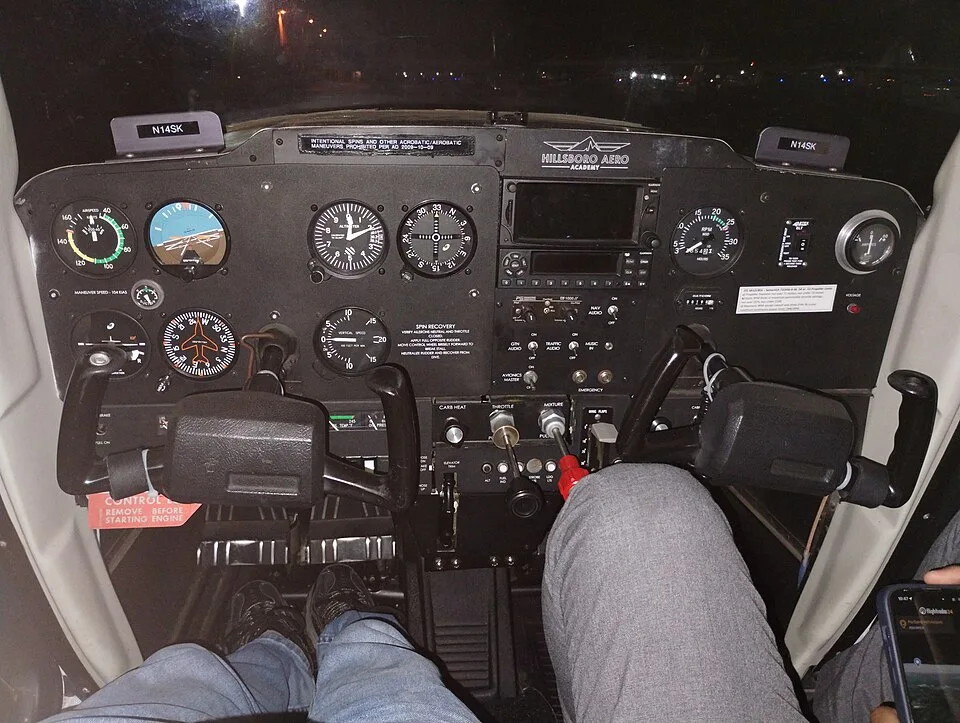

Prebuy and continued ownership
During a prebuy investigation, reconcile the aircraft model with the applicable requirements and the actual maintenance records. Questions include whether the record identifies the relevant directive and work, whether replacement components are documented, and whether the history supports the next required action. Those are evidence questions; an internet reference cannot answer them from a serial number alone.
The Cessna 150 AD guide and Cessna 152 AD guide place the seat directive among other airframe and installed-component subjects. For Reims or another jurisdiction, the applicable regulatory framework also has to be established. The presence of a U.S. directive in the reference is not a blanket conclusion about every aircraft's State-of-Registry treatment.
Source and status limitations
Apply each directive under its stated jurisdiction and aircraft conditions. Use the directive’s complete model list and conditions, then consult the Technical Documents for the corresponding publication details. These references support an informed research path without certifying the condition, installation or compliance of an individual aircraft.