Cessna 150/152 Prebuy vs Annual Inspection: Different Questions
A Cessna 150/152 annual-inspection record and a prebuy investigation answer different questions. The annual belongs to the aircraft's inspection and maintenance record; a prebuy is organized around the buyer's proposed transaction and the unresolved questions about that particular aircraft. A recent annual is relevant evidence, but its date alone does not answer every question a buyer may need resolved.
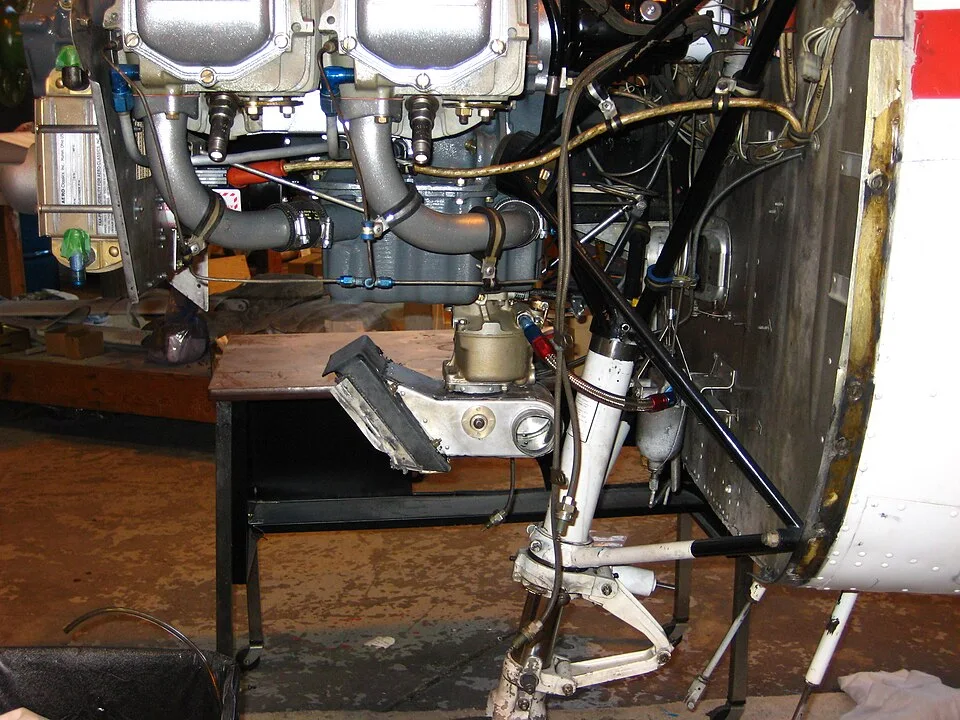

Start with the actual inspection entry
The annual-inspection guide explains the U.S. annual and specified 100-hour inspection framework. Read the entry and its date, not merely “annual complete” in an advertisement. Keep the inspection record alongside subsequent maintenance and any later change to the aircraft. A previous inspection cannot establish that a later alteration or newly identified discrepancy has already been assessed.
The distinction also avoids treating a prebuy label as an annual-inspection approval. If inspection work and purchase research are arranged together, clarify what work is being performed, what record will be produced and what questions remain outside that scope. The maintenance-release records guide separates a description of work from the broader claims sometimes attached to it.
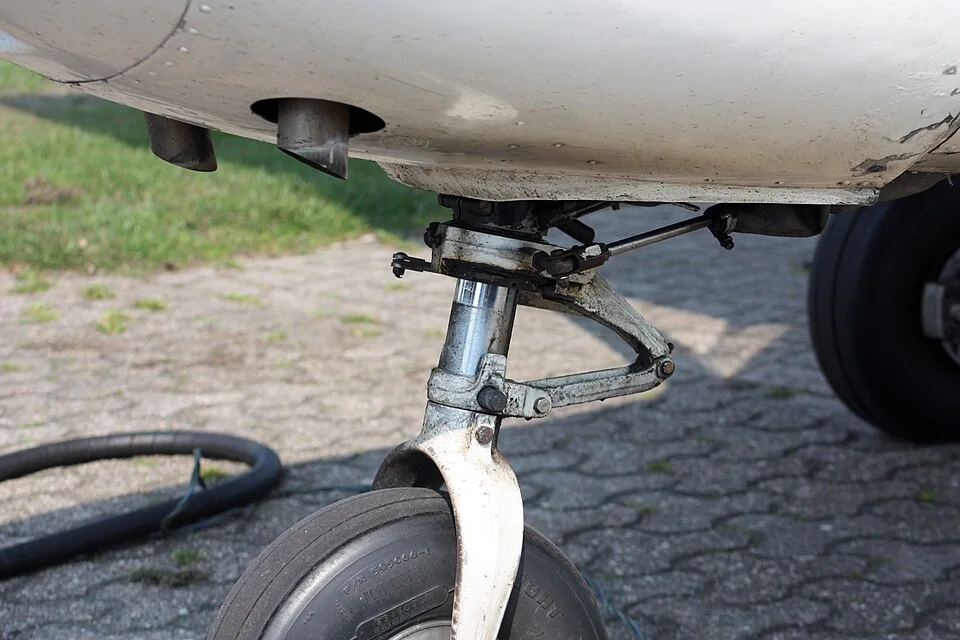

Define the buyer's questions before the visit
For a buyer, useful questions include whether the model and serial are consistent, whether the installed engine and propeller have a traceable history, and whether alterations are supported by the aircraft file. The prebuy guide organizes the model-specific structural and system enquiries. Use it to select relevant subjects rather than assuming every listed issue applies to every aircraft.
A comparison between a standard model and an Aerobat may require different identity and operating-document research. A Reims aircraft adds its own manual and approval context. These are reasons to define the aircraft before commissioning the investigation; they are not reasons to assume that one origin or category is inherently a worse purchase.
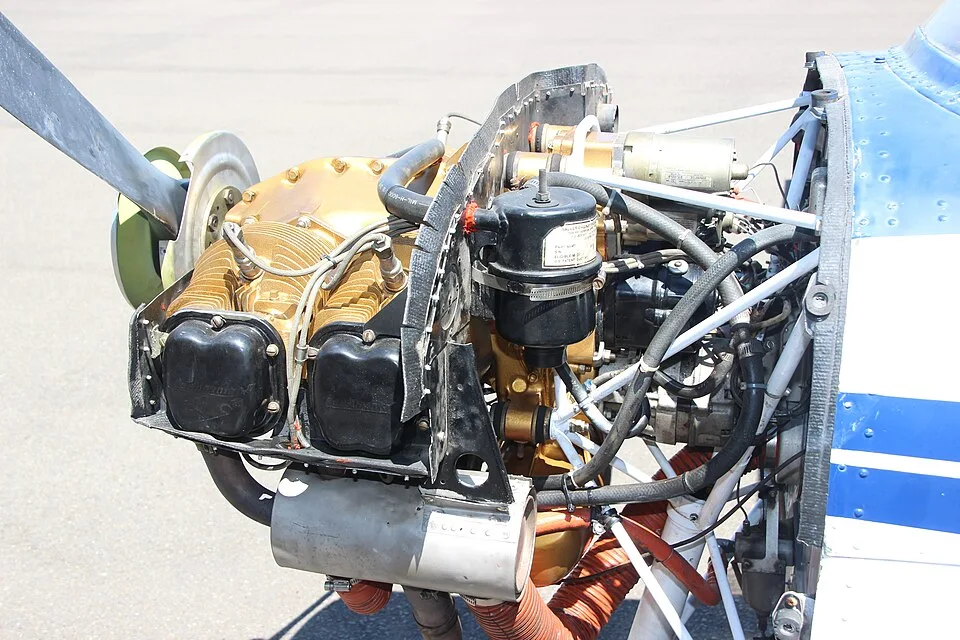

Records can reveal work still to investigate
The damage-history guide follows a reported repair through the underlying records. A clean-looking surface does not identify the work performed, while a recorded repair is not by itself a conclusion about present condition. Connect the historical entry, supporting data and current aircraft findings.
Likewise, a public STC record can identify an approval but cannot prove that it was installed on the aircraft. The Form 337 and STC guide explains the distinct evidence. This is a purchase question even when the aircraft's annual record is available: the buyer needs to understand which configuration is actually being acquired and which documents support it.
Make the outcome specific
Ask for findings tied to the inspected aircraft, records reviewed and unresolved items. Separate an observed discrepancy from a missing document and from a request for specialist investigation. Those categories lead to different next steps and are more useful than a broad statement that the aircraft “passed a prebuy.”
The sale file also contains questions beyond maintenance, such as title and liens; the title-records guide treats those separately. A prebuy can help organize a purchase decision, but neither its label nor an annual date replaces the evidence needed for each technical and transaction question. Decide what further work is needed from the actual findings and agreed scope, not from the name attached to the visit.