Cessna 150 and 152 Form 337 and STCs: Alteration Evidence
An STC identifies an approved design change; FAA Form 337 records major repair or alteration work and its approvals. For a modified Cessna 150 or 152, finding one document does not answer all the questions about the other. The useful buying question is how the approval, aircraft identity and recorded installation fit together.
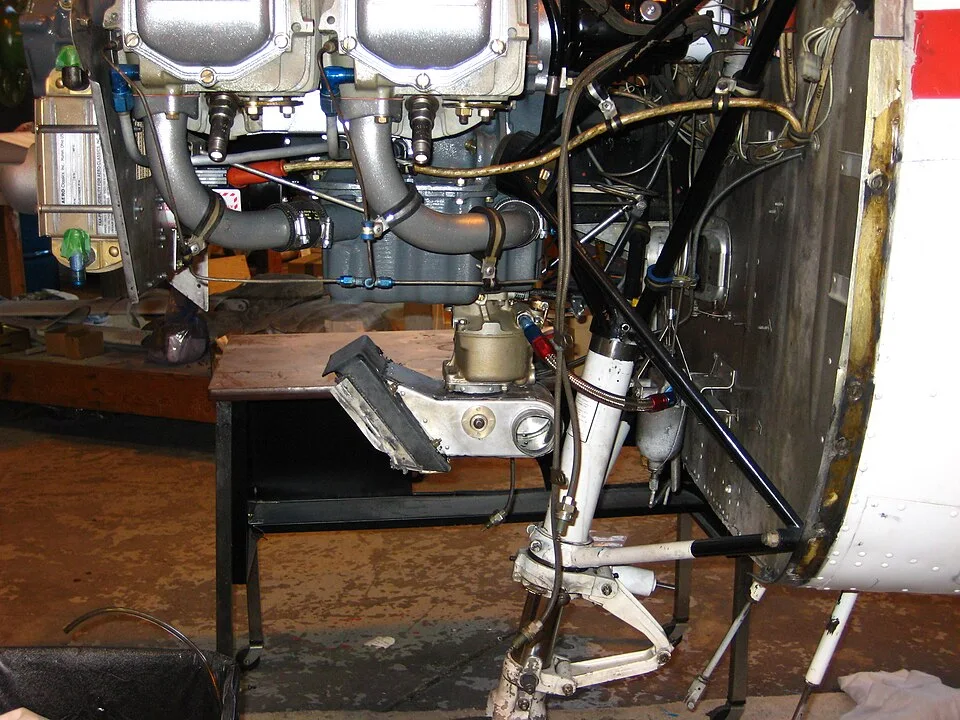

Three parts of the evidence trail
FAA guidance on STC installation permission distinguishes a public approval search from permission to use the holder's information. The holder's drawings and specifications are not simply available for anyone to reuse because an STC number appears in a reference. Ask for the applicable approval and supporting installation documentation as part of the aircraft's records review.
The diagram connects design approval, permission and aircraft work records. Its arrows do not certify eligibility, authorize installation or show that a particular aircraft has been inspected. A missing connection is a question to resolve, not a reason to infer the answer from the next box.
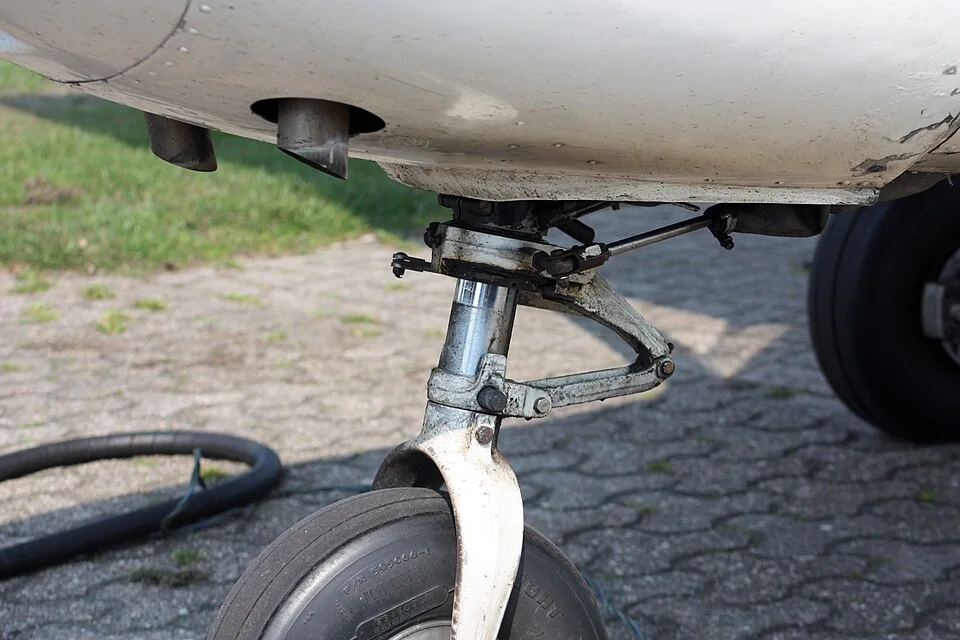

What the form can help you identify
AC 43.9-1G explains the form's role in documenting major work and compatibility assessment. It directs users to the aircraft identification plate for make, model and serial information. Read the aircraft identity, the description of work, referenced technical material and the approval entries together. A description that names a modification should lead to its applicable data and associated aircraft records.
Consider an aircraft advertised with an engine conversion. The approval may identify eligible airframes while the installation records identify what was actually fitted. The propeller, equipment list and weight-and-balance history can raise additional questions. This is why the engine-conversion guide treats the complete configuration as the research subject.
Reims approval scope needs its own check
For French-built aircraft, follow the Reims modification reference before assuming that an approval naming a U.S. model also names its Reims counterpart. Similar airframe appearance is not a substitute for the approval's scope. Keep the exact prefix and any configuration conditions visible in your notes.
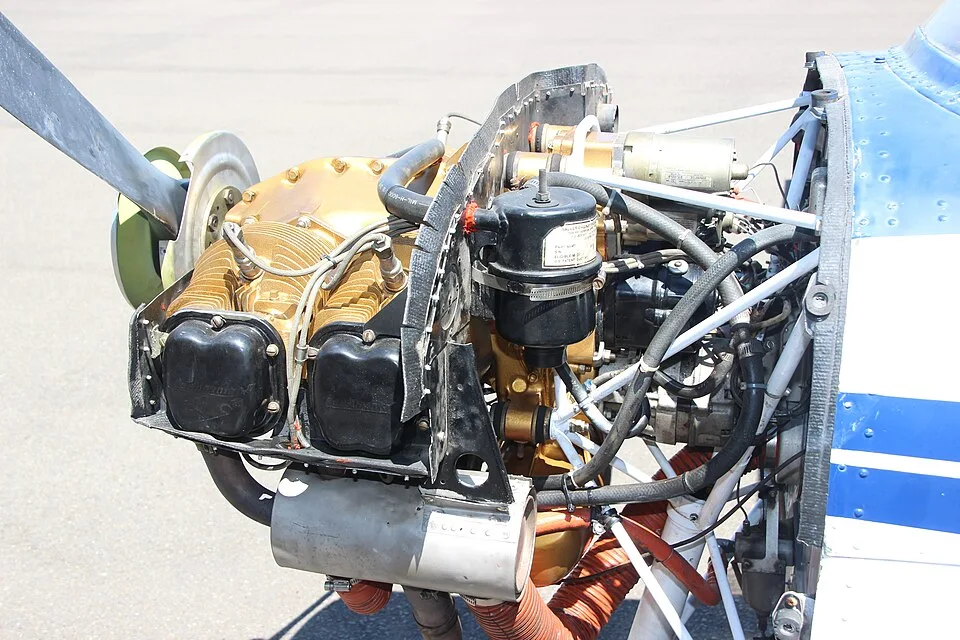

Build a reviewable purchase file
A useful file groups each significant alteration with its approval reference, work record and any resulting equipment or loading changes. Mark unavailable items explicitly so the reviewer can distinguish missing evidence from evidence that was examined and did not answer the question. The FAA aircraft-records guide provides a separate retrieval path; it complements the seller's documents and the physical prebuy examination.