Cessna 150 and 152 Engine Time: Reading Overhaul and Installation History
An engine-time figure is meaningful only when its definition and supporting records are clear. Time since overhaul, time since installation and total time answer different questions. None of them alone establishes the present condition of a Continental O-200 or Lycoming O-235 installation.
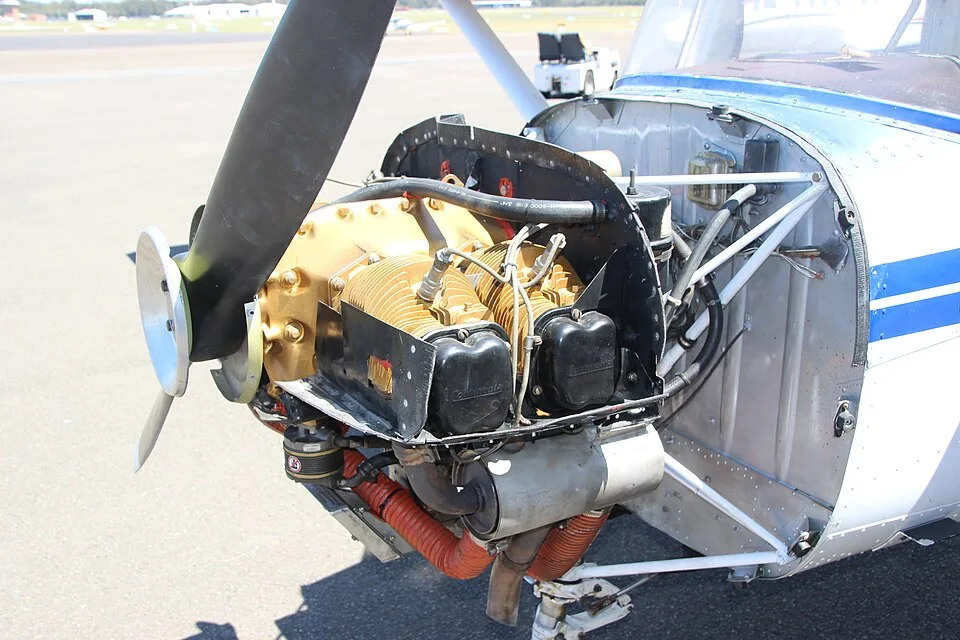

Identify the engine before comparing time
Confirm the model and serial of the installed engine and connect them with the aircraft records. The O-200-A reference and the O-235 variant comparison describe factory application evidence. Eligibility is useful context, but it is not proof that the original engine remains fitted.
Trace the event behind the number
When a listing states time since overhaul, ask for the records describing that overhaul and the subsequent service history. Distinguish it from a repair or component replacement that may have a different scope. An abbreviated sales description should not determine how the work is characterized.
Installation history can matter even when the engine has a documented overhaul. Establish which aircraft it came from, when it was installed and what approval and configuration records support the present application. For a conversion, include the associated supplements and equipment changes.
Keep condition assessment separate
Have the appropriate mechanic assess the engine and records in the context of the prebuy. A low number of hours does not remove the need for that review. Conversely, a higher time figure does not by itself establish a particular defect or predict a specific date for overhaul.
This page intentionally gives no universal TBO or calendar limit. Such a statement requires reliable, current, exact-engine and application evidence. The maintenance guide explains how publication applicability fits into the research.
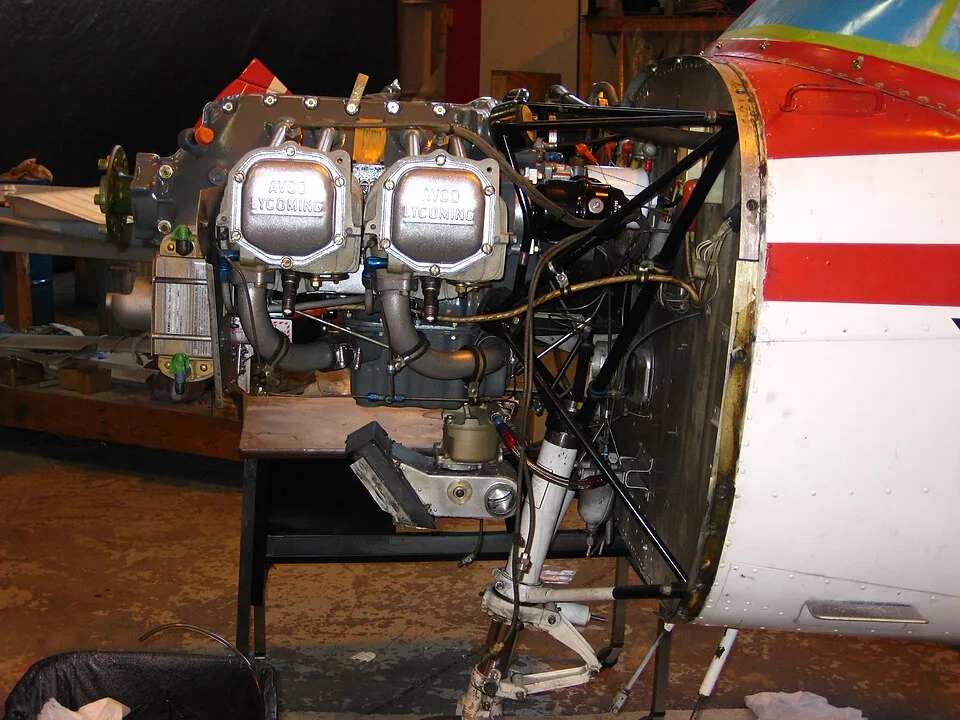

Compare complete evidence packages
For two candidate aircraft, list the same time definitions and the quality of their supporting history. Record unresolved identity or maintenance questions separately from the numerical comparison. The logbook guide provides the surrounding structure so a single attractive engine-time figure does not replace the broader assessment.
Avoid mixing time categories
A comparison table should have separate columns for total time, the claimed overhaul or repair event, and time since that event where documented. Do not populate an unknown field with the value from a different category. The underlying work description belongs alongside the figures so that two similarly labeled advertisements can be checked against what their records actually establish.
Accessory histories deserve their own review: starting and ignition and Brackett filter configuration are not established by engine hours alone.
Which overhaul publication was used?
Lycoming identifies SI 1009BF as a July 2026 revision. Older records may refer to an earlier instruction; keep that historical reference rather than silently relabeling it. The TBO guide explains why publication identity, engine eligibility and an advertised hour total are separate parts of the inquiry.
Ask the seller to distinguish overhaul date from installation date and to identify the supporting work records. That request produces a more useful starting point than asking for a single "remaining hours" figure. A prospective buyer can then give the reviewer both the historical evidence and the precise question that still needs answering.
A comparison note can use three separate entries: total time with its supporting record; the claimed overhaul or repair with its work description and date; and installation on this aircraft with its dated entry. Leave an unknown entry unresolved. Time since one event must not be copied into another category merely to complete the comparison.
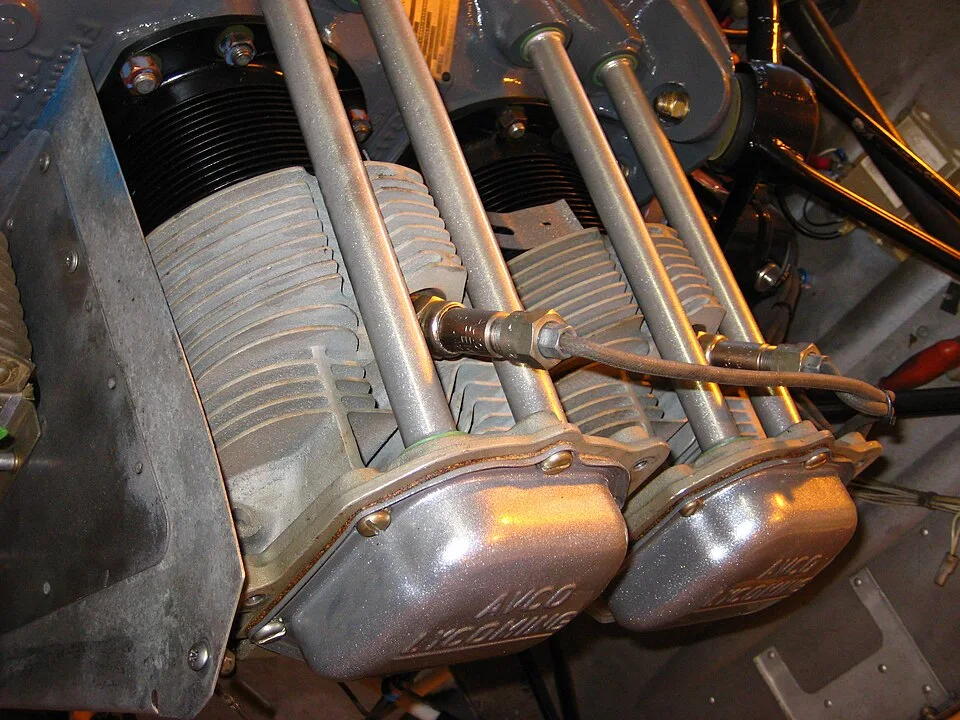

Keep cylinder work in its own chronology
The cylinder-work records guide follows the parts, installation evidence and subsequent history behind a limited engine-work entry. It helps separate time since that event from the engine’s total time and any independently documented overhaul. A shorthand “top end” description does not identify every part changed or the scope of the approving entry.
When two advertisements use different time labels, bring the underlying work descriptions into the comparison. Leave an unknown overhaul or installation date unresolved instead of copying a cylinder-work date into the missing field.
Keep the airframe and engine totals separate
The airframe-time reference follows the aircraft’s own chronology, including meter changes and gaps. An engine exchange, cylinder event or overhaul description belongs to a different record sequence. Keep both identities visible when comparing aircraft rather than allowing the most recent engine event to stand in for the whole airframe history. For a comparison between factory engine families, the O-200-versus-O-235 guide separates installation ratings and source applicability before maintenance intervals are discussed.
Decode the advertisement before comparing time
TT, TTAF and SMOH describe different histories. Total time must identify the component being discussed; TTAF normally refers to airframe total time, while SMOH refers to time since major overhaul of the stated engine or component. The glossary connects the abbreviations to those definitions. An overhaul entry does not reset the airframe's accumulated time, and a single advertisement number does not establish either component's full history.
Reconcile the figure with dated logbook entries and the installed engine's identity. Time since overhaul, calendar time, work scope and subsequent use answer separate condition questions. A low SMOH figure cannot substitute for understanding what work was performed or whether the records belong to the engine now installed.