Cessna 150/152 Replacement Parts: Checking Applicability
A replacement part described as suitable for a Cessna 150 or 152 still needs an aircraft-specific applicability check. The family name can hide model, serial, engine, propeller and modification differences. Before requesting a part or evaluating an invoice, assemble the identity and installation evidence that lets the maintenance reviewer answer the actual compatibility question.

Start with the aircraft that exists now
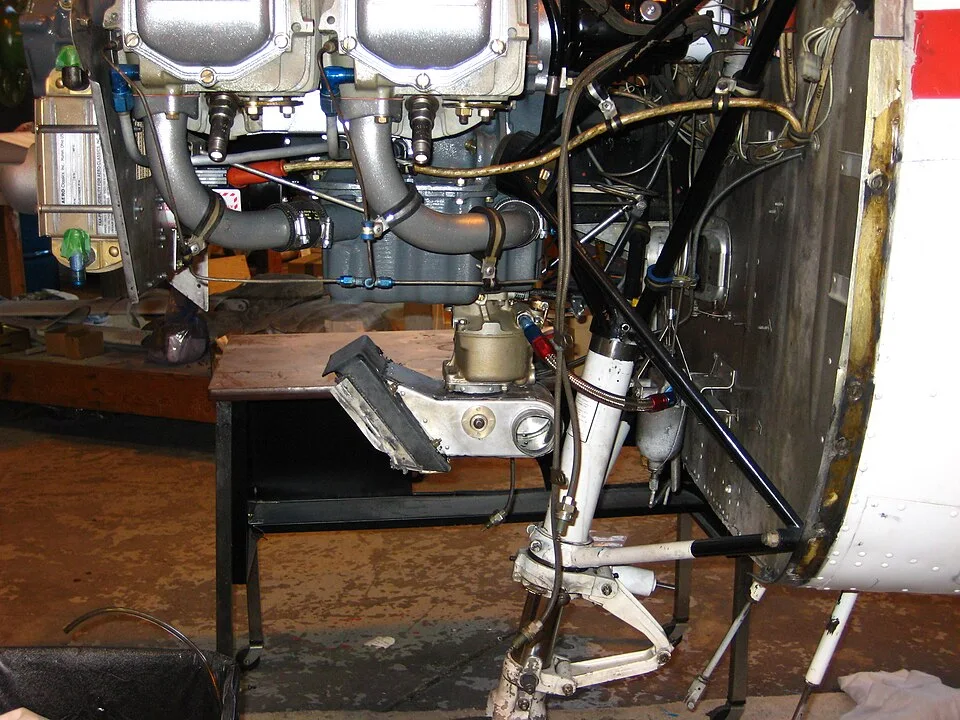
Record the legal model and full serial, then the relevant installed component designation. Use the serial lookup to locate model references, but confirm the installed equipment separately. A factory application identifies a research path; it cannot prove that decades of later work left the original arrangement intact.
For an engine-converted aircraft, follow the conversion evidence and its supporting installation records. For French-built models, the Reims modifications guide explains why an approval naming a U.S. Cessna model should not automatically be applied to a similarly named Reims aircraft.

Separate catalog suitability from approval evidence
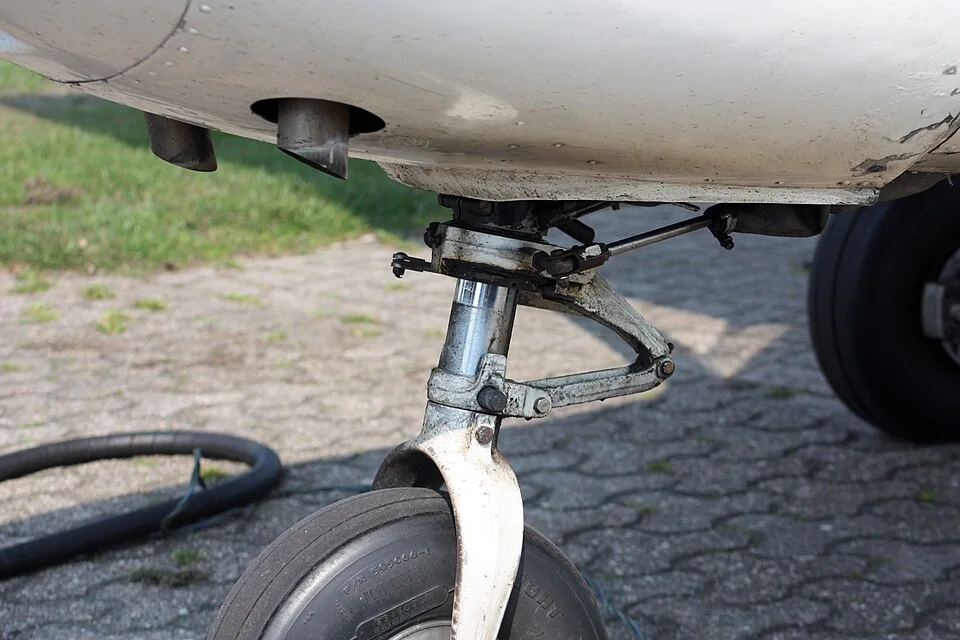
the Sensenich installation list states its reference role relative to type certificates, STCs, ADs and service information. That is a useful example of why finding a catalog row does not complete an installation enquiry. Preserve its exact application designation and conditions, then identify the controlling approval and instructions for the aircraft.
FAA STC installation guidance also distinguishes finding an approval from obtaining the required holder permission for its use. A public approval identifier, an available part and an installed-aircraft record answer different questions. Keep each with its own evidence rather than treating them as interchangeable assurances from a supplier.

Ask a question a reviewer can resolve
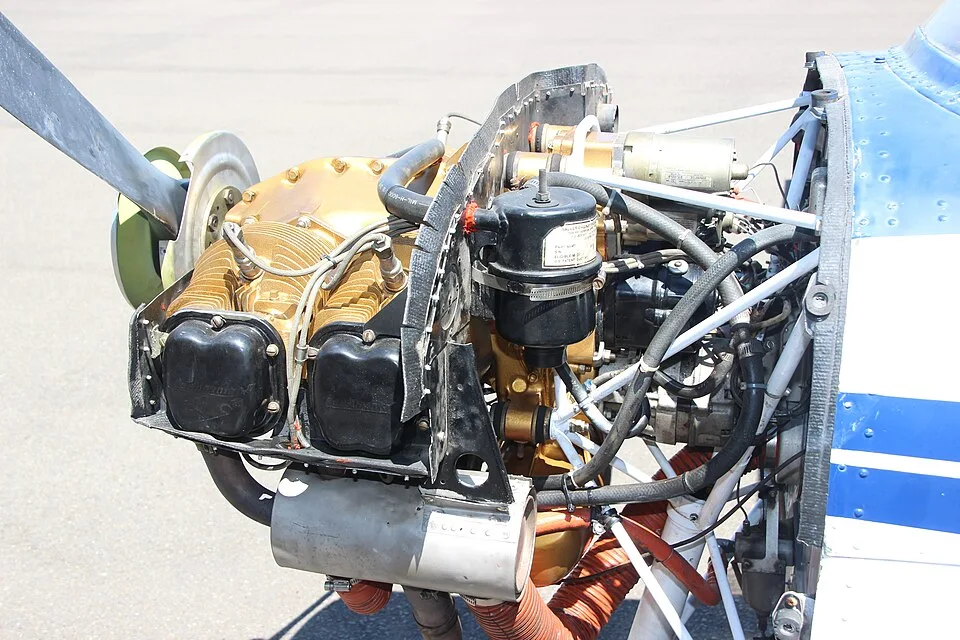
A useful enquiry gives the aircraft identity, installed component, proposed replacement designation, reason for the change and the supporting reference being used. Add the exact unresolved question: whether a suffix matters, whether a serial condition covers the aircraft, or which installation document applies. Avoid asking only whether the part “fits a 152.”
If the supplier offers a substitution, retain the offered designation and supporting documentation for review. Do not erase the original part description or infer interchangeability from similar dimensions, appearance or price. This guide does not establish an alternate-parts approval process for every component category.
Keep the installation record connected
After authorized work, the record should make it possible to follow what was installed and the work performed. The maintenance-entry guide explains the scope of an ordinary work entry, while weight-and-balance records address the separate configuration history when equipment changes affect it.
The underlying maintenance methods must be established for the actual work; 14 CFR 43.13 provides the U.S. performance-rule context. Neither this enquiry checklist nor a catalog description authorizes the owner to perform a replacement. Use the evidence bundle to obtain a precise technical answer, with any unresolved applicability still visible.