Cessna 150 and 152 Damage History: Repairs, Structure and Evidence
Damage history is a question about events, repairs and present evidence, not simply a yes-or-no label in an advertisement. A documented repair and an unexplained structural finding are different situations. Neither should be judged solely from a seller's brief description or the absence of a particular word in a listing.


Identify what happened and where
Ask which structure was affected, what work was performed and what records support the repair. Connect the description with the aircraft's model, serial and configuration at the time. Changes in registration or ownership can make a casual search less useful than a coherent aircraft-record review.
The logbook guide explains how to organize the evidence chain. Gaps should be recorded as specific unanswered questions rather than silently filled with favorable or unfavorable assumptions.
Match the history to present inspection
The inspecting mechanic needs the records and access necessary to assess the relevant areas. Wing, tail and landing-gear structures have different research paths. The wing-corrosion reference, tail-attachment reference and gear concerns show why a general airframe-inspected statement may be insufficiently precise.
A historical repair entry does not establish current condition. Equally, a prior event does not tell you the quality or completeness of the repair without supporting evidence. Keep the findings, documentation and remaining limitations separate in the prebuy report.
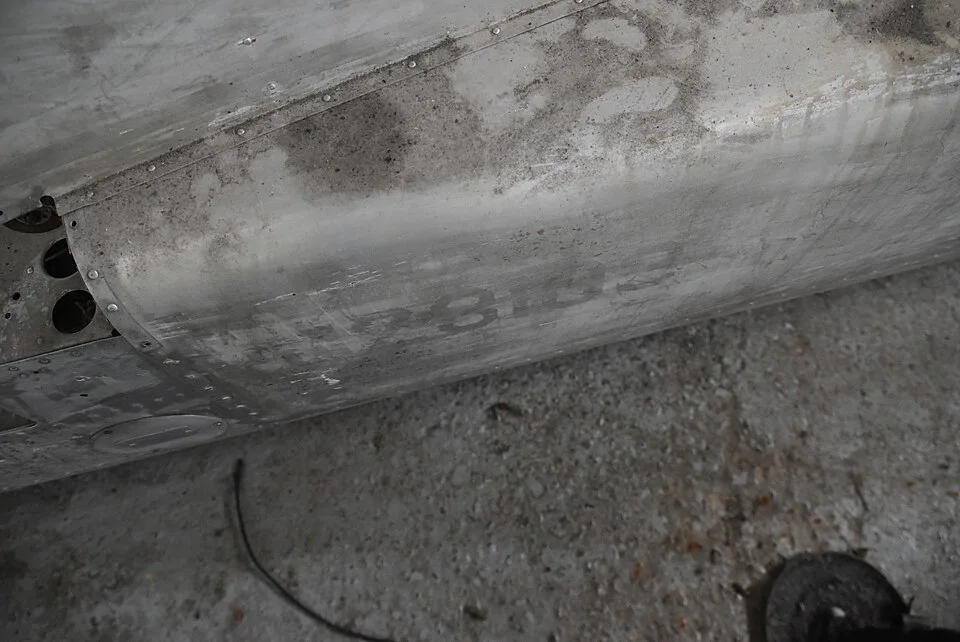

Configuration after repair or alteration
Determine whether equipment, weight-and-balance data or operating supplements changed. The current aircraft should be assessed against its actual approved configuration. Factory specifications are background information, not a substitute for the records of subsequent work.
This page does not estimate a market-value discount or approve a repair. Those conclusions require aircraft-specific expertise and evidence. Its purpose is to help a buyer ask concrete questions, understand why access and documentation matter, and avoid making a purchase judgment from a short damage-history label alone.
Keep uncertainty specific
Distinguish an event whose details are missing from a repair whose documentation is available but needs technical assessment. Those situations call for different follow-up. Record the affected area, available evidence and remaining question together. This allows the prebuy conclusion to reflect the actual limitations of the review, rather than treating all reported history as equivalent or assuming an undocumented history is necessarily clean.
For an illustrative records comparison, an advertisement might say repaired wing while the supplied entry names only a particular rib. Record the advertised event, the actual work description and the question still unresolved: whether other affected areas were assessed. This hypothetical example neither alleges undisclosed damage nor approves a repair; it makes the discrepancy specific enough to investigate.
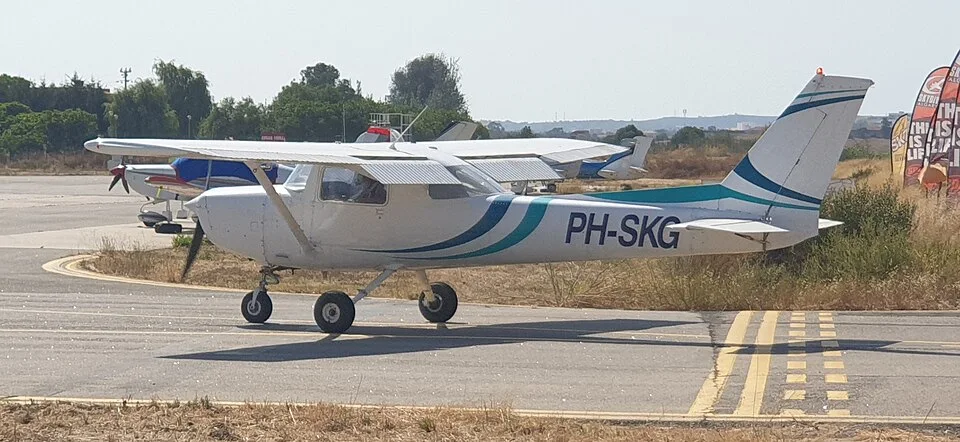

Propeller damage can involve another record set
A propeller repair may have a separate engine consequence. The Lycoming propeller-strike guide explains why the incident definition and engine work matter even where an informal account says the engine was not running. Identify the engine installed at the time and trace its subsequent work separately from the propeller shop record.
If the engine was later exchanged, keep the removed engine history distinct from the current installation. This lets the prebuy reviewer follow what happened without treating a repair record for one component as a statement about every component now on the aircraft.