Cessna 150/152 Owner Preventive Maintenance: Permission and Records
Owning a Cessna 150 or 152 does not confer permission to perform every small maintenance job. For a U.S.-registered aircraft, start with the person, the operation and the task, then establish how the completed work will be recorded. A familiar component or an inexpensive replacement can still involve work outside a pilot owner's privileges.
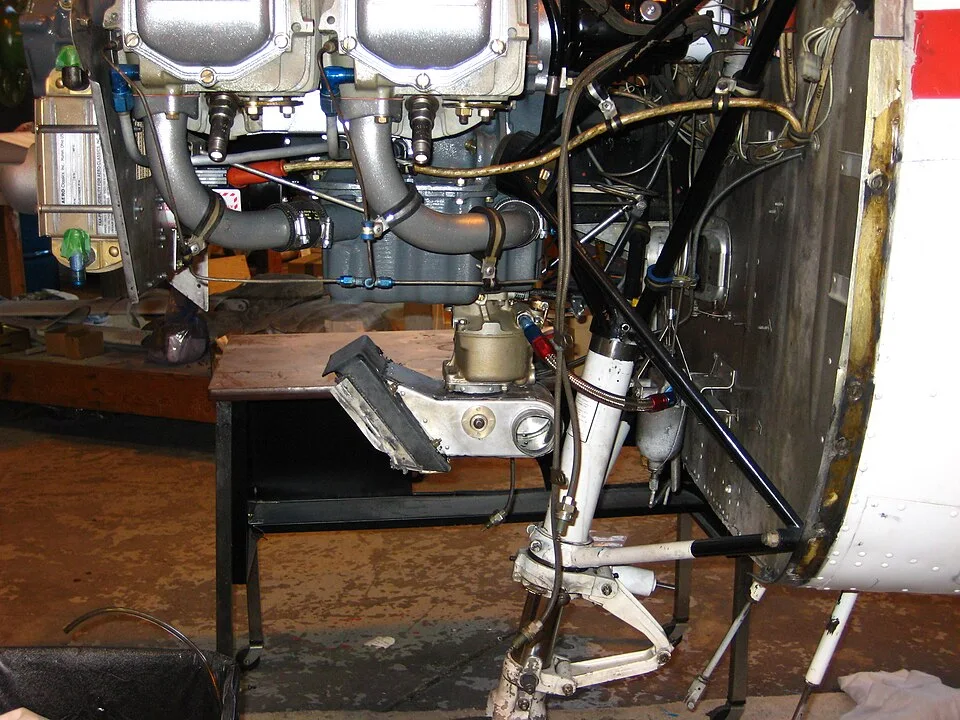

Establish who may do the work
14 CFR 43.3(g) permits qualifying Part 61 pilots to perform preventive maintenance on aircraft they own or operate, subject to its operating restrictions; the sport-pilot provision is limited to the specified light-sport certificate case. Do not apply that exception to an ordinary standard-category 150 or 152 merely because it is small. Supervised work under paragraph (d) is a different authorization with its own conditions.
For a club or school aircraft, write down the actual operating arrangement before applying the rule. Ownership, pilot certificate, operating rules and maintenance authority are separate questions. French construction does not make an FAA pilot privilege a rule for an aircraft registered elsewhere; establish the jurisdiction first.
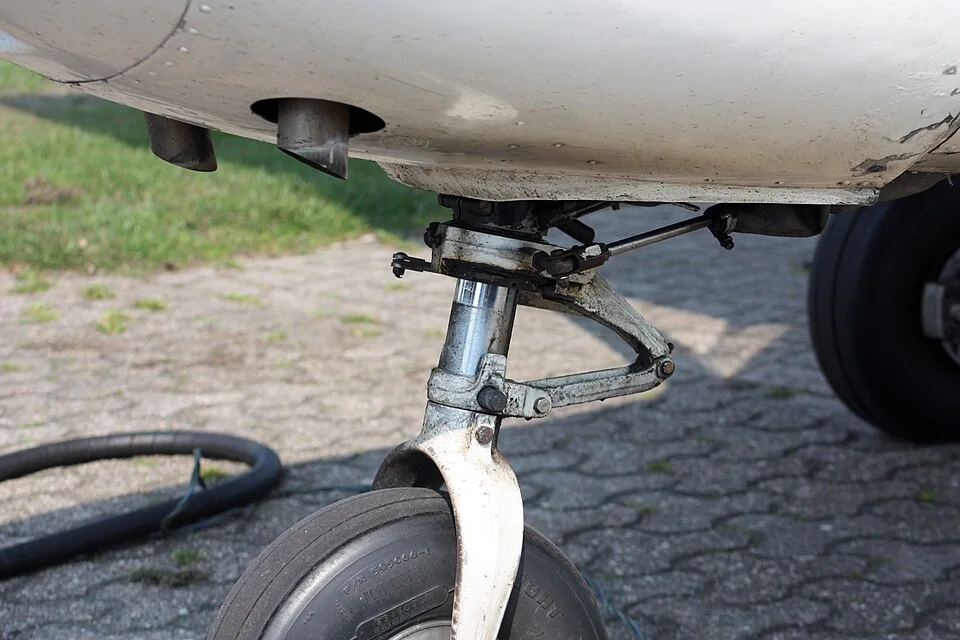

Match the exact task to the list
Part 43 Appendix A(c) limits preventive maintenance to its listed work without complex assembly operations. Examples include specified tire work, lubrication, spark-plug servicing and battery replacement. A task's name alone is insufficient: removing nearby equipment, disturbing controls or performing additional repairs can change the proposed scope.
Describe the job before buying parts. “Service spark plugs” and “investigate an ignition fault” are different descriptions; the second may involve work beyond the listed servicing task. If inspection reveals another defect, pause the original plan and establish authority and instructions for that additional work. This is a planning boundary, not a procedure for diagnosing the engine.
Instructions and completion are separate gates
Section 43.13 requires appropriate maintenance methods, tools and workmanship. Pilot permission does not replace the applicable maintenance instructions or make a generic internet demonstration suitable for the installed component. Match the aircraft, component and configuration before following a procedure.
Section 43.7(f) addresses approval for return to service after pilot preventive maintenance. The work also needs the applicable maintenance entry. Retain what was actually accomplished, rather than writing a broad assurance about systems that were not worked on.
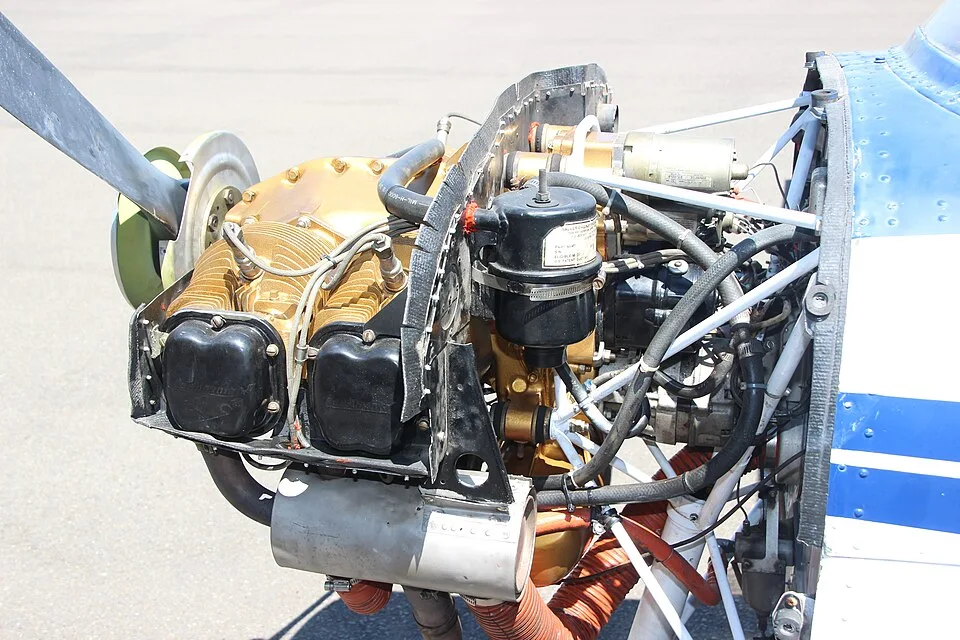

Prepare a useful maintenance discussion
Bring a short description of the intended task, the installed component identification and the proposed instructions to the mechanic who knows the aircraft. Ask where the task ends and what findings would require additional maintenance. That makes the conversation concrete without asking the mechanic to endorse an undefined project.
Use the maintenance guide to locate the publication trail and the annual-inspection guide for inspection scheduling. Preventive-maintenance privileges do not turn an owner's task list into an annual inspection or authorize every AD action. Where a directive contains special permission, read that provision within the directive's exact scope.