Cessna 150/152 Maintenance Planning: Organizing Due Items and Evidence
Maintenance planning for a Cessna 150 or 152 begins with the aircraft's actual configuration and recorded status, not a generic list of intervals copied from another example. A useful planning record connects each item with its source, applicability, last recorded action and the basis for the next review. This guide organizes that evidence; it does not create an approved maintenance program or assign new maintenance intervals.

Establish the aircraft being planned for
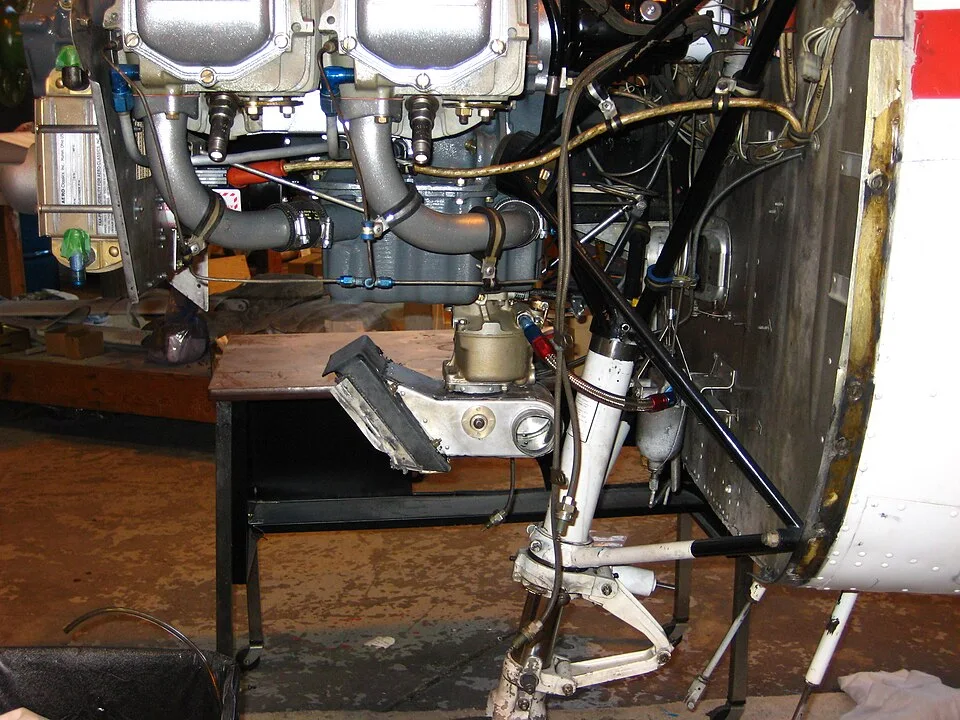
Record the full model and serial, installed engine and propeller, and significant alterations. The aircraft-identity guide provides the starting point. Keep Reims origin, Aerobat identity and kit-dependent configurations explicit. A source that covers a related aircraft may not cover the actual installation.
Collect the current inspection entry and continuing-status records before building a list of due items. The annual-inspection guide describes the U.S. inspection framework and its distinctions. Do not assume the same inspection trigger applies to every operating arrangement or use an annual date as a substitute for all other continuing requirements.

Keep each reason for action visible
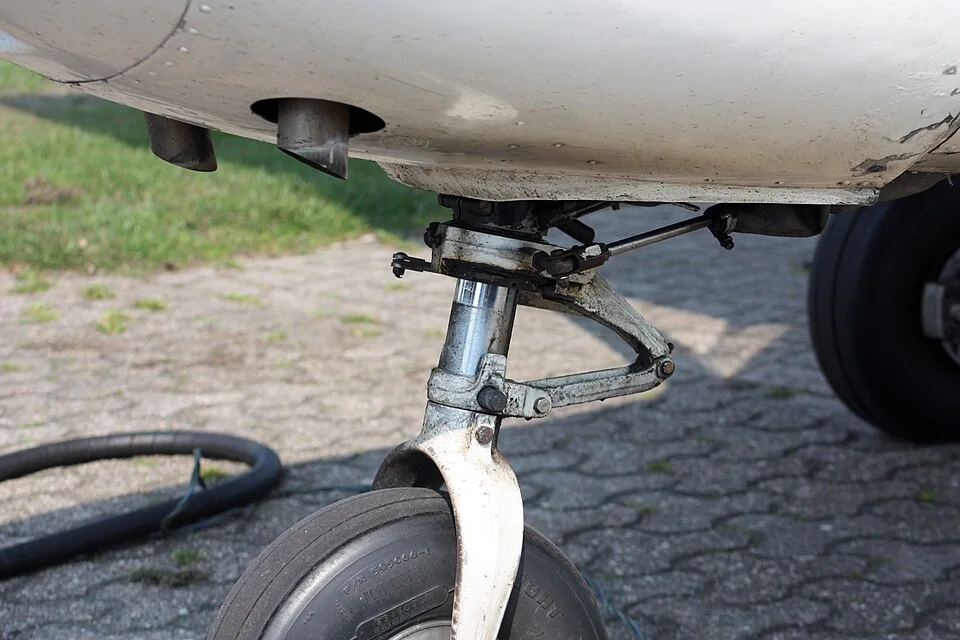
An AD item, a manufacturer recommendation and an unresolved maintenance finding have different bases. The service-bulletin and AD comparison explains why their titles should not be flattened into one class of mandatory deadline. Record which document or finding creates the question and the scope under which it applies.
For an AD, the compliance-record guide separates applicability, method and recurring status. For a component item, preserve the component identity and installation evidence. A family-level source list can help discovery, but it cannot decide the due status of a particular aircraft without the corresponding records.

A planning worksheet should expose missing evidence
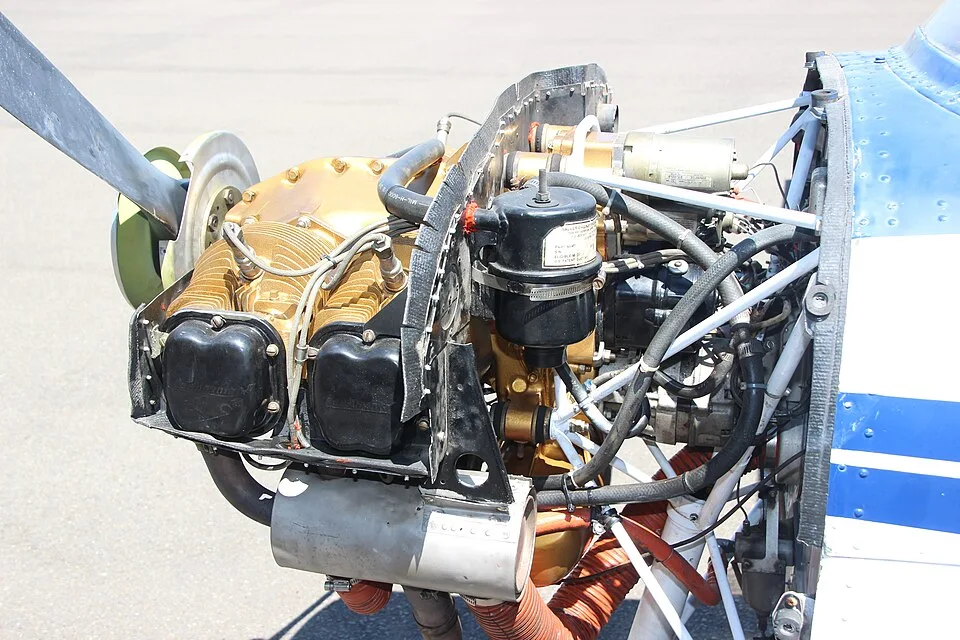
Useful fields include the item, affected assembly, source reference, applicability basis, last supported action, next-action basis and unresolved question. A blank next-action field can honestly mean that the necessary information has not yet been established. Do not turn a missing date into an invented deadline simply to complete the worksheet.
Keep calendar, usage and condition-based descriptions in the form supplied by the applicable evidence. The TBO guide illustrates why qualifications and calendar provisions belong with a published engine schedule. It cannot supply a universal interval for every installed engine, accessory or operating context.
Update the plan after work or configuration changes
A component replacement can change which source applies. After work is recorded, connect the new component identity and the maintenance entry to the planning item it affects. The propeller-records guide shows why continuity matters when a component has a history separate from the airframe.
Retain open questions for the maintenance professional rather than treating a neatly formatted list as an airworthiness decision. Before a handover, reconcile the planning aid with the actual records described in the aircraft-records handover guide. The practical outcome is a traceable set of questions and supporting entries, with uncertainty visible wherever exact applicability, currency or prior work remains unresolved.