Cessna 150 and 152 Takeoff Distance: Ground Roll and 50-Foot Figures
Takeoff ground roll and takeoff distance over a 50-foot obstacle are two different measurements. The first stops when the aircraft leaves the surface; the second includes the additional distance associated with clearing the stated obstacle. They must not occupy the same comparison column without identifying which measurement is being used.
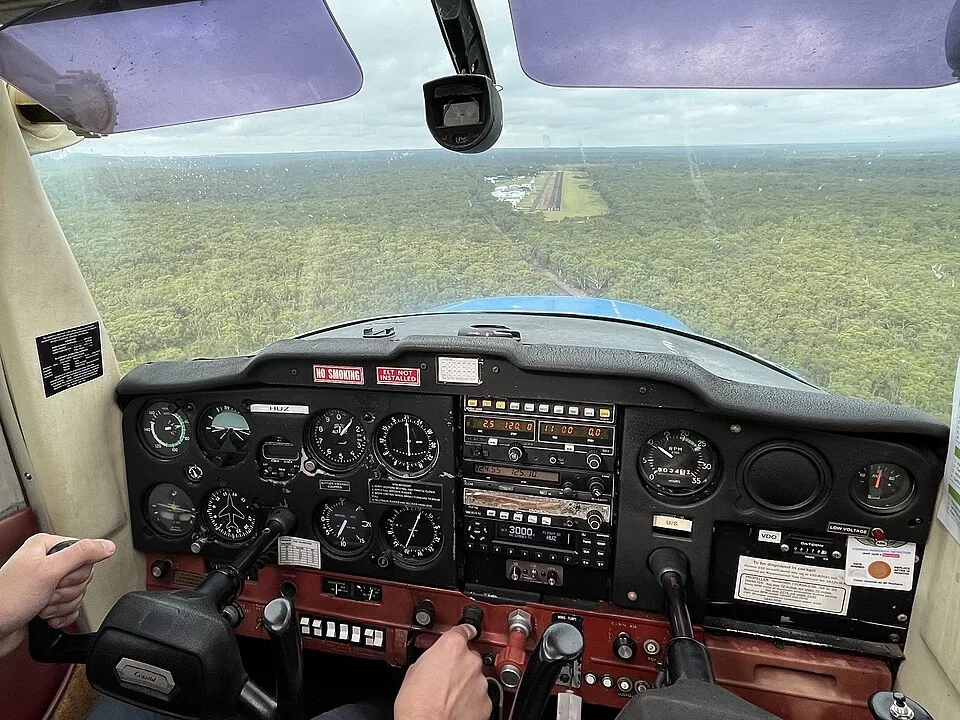

Keep the obstacle basis visible
The records below retain both metric names and the obstacle field when supplied. A short ground-roll figure does not establish that the aircraft can clear an obstacle in that distance. Nor does a published obstacle figure establish suitability for a particular strip when the aircraft, runway or atmospheric conditions differ from the publication.
Takeoff ground roll and obstacle-distance records (42 records)
| Reference family | Year | Model | Metric | Value | Units | Obstacle ft | Source |
|---|---|---|---|---|---|---|---|
| Cessna 150 | 1960 | 150 | Takeoff ground roll | 680 | ft | - | [1] |
| Cessna 150 | 1960 | 150 | Takeoff over 50 ft | 1205 | ft | 50 | [1] |
| Cessna 150 | 1961 | 150A | Takeoff ground roll | 680 | ft | - | [2] |
| Cessna 150 | 1961 | 150A | Takeoff over 50 ft | 1205 | ft | 50 | [2] |
| Cessna 150 | 1962 | 150B | Takeoff ground roll | 680 | ft | - | [3] |
| Cessna 150 | 1962 | 150B | Takeoff over 50 ft | 1205 | ft | 50 | [3] |
| Cessna 150 | 1963 | 150C | Takeoff ground roll | 680 | ft | - | [4] |
| Cessna 150 | 1963 | 150C | Takeoff over 50 ft | 1205 | ft | 50 | [4] |
| Cessna 150 | 1964 | 150D | Takeoff ground roll | 735 | ft | - | [5] |
| Cessna 150 | 1964 | 150D | Takeoff over 50 ft | 1385 | ft | 50 | [5] |
| Cessna 150 | 1965 | 150E | Takeoff ground roll | 735 | ft | - | [6] |
| Cessna 150 | 1965 | 150E | Takeoff over 50 ft | 1385 | ft | 50 | [6] |
| Cessna 150 | 1966 | 150F | Takeoff ground roll | 735 | ft | - | [7] |
| Cessna 150 | 1966 | 150F | Takeoff over 50 ft | 1385 | ft | 50 | [7] |
| Cessna 150 | 1967 | 150G | Takeoff ground roll | 735 | ft | - | [8] |
| Cessna 150 | 1967 | 150G | Takeoff over 50 ft | 1385 | ft | 50 | [8] |
| Cessna 150 | 1969 | 150J | Takeoff ground roll | 735 | ft | - | [9] |
| Cessna 150 | 1969 | 150J | Takeoff over 50 ft | 1385 | ft | 50 | [9] |
| Cessna 150 | 1970 | 150K | Takeoff ground roll | 735 | ft | - | [10] |
| Cessna 150 | 1970 | 150K | Takeoff over 50 ft | 1385 | ft | 50 | [10] |
| Cessna 150 | 1971 | 150L | Takeoff ground roll | 735 | ft | - | [11] |
| Cessna 150 | 1971 | 150L | Takeoff over 50 ft | 1385 | ft | 50 | [11] |
| Cessna 150 | 1972 | 150L | Takeoff ground roll | 735 | ft | - | [12] |
| Cessna 150 | 1972 | 150L | Takeoff over 50 ft | 1385 | ft | 50 | [12] |
| Cessna 150 | 1973 | 150L | Takeoff ground roll | 735 | ft | - | [13] |
| Cessna 150 | 1973 | 150L | Takeoff over 50 ft | 1385 | ft | 50 | [13] |
| Cessna 150 | 1974 | 150L | Takeoff ground roll | 735 | ft | - | [14] |
| Cessna 150 | 1974 | 150L | Takeoff over 50 ft | 1385 | ft | 50 | [14] |
| Cessna 150 | 1977 | 150M | Takeoff ground roll | 735 | ft | - | [15] |
| Cessna 150 | 1977 | 150M | Takeoff over 50 ft | 1385 | ft | 50 | [15] |
| Cessna 152 | 1978 | 152 | Takeoff ground roll | 725 | ft | - | [16] |
| Cessna 152 | 1978 | 152 | Takeoff over 50 ft | 1340 | ft | 50 | [16] |
| Cessna 152 | 1979 | 152 | Takeoff ground roll | 725 | ft | - | [17] |
| Cessna 152 | 1979 | 152 | Takeoff over 50 ft | 1340 | ft | 50 | [17] |
| Cessna 152 | 1980 | 152 | Takeoff ground roll | 725 | ft | - | [18] |
| Cessna 152 | 1980 | 152 | Takeoff over 50 ft | 1340 | ft | 50 | [18] |
| Cessna 152 | 1981 | 152 | Takeoff ground roll | 725 | ft | - | [19] |
| Cessna 152 | 1981 | 152 | Takeoff over 50 ft | 1340 | ft | 50 | [19] |
| Cessna 152 | 1982 | 152 | Takeoff ground roll | 725 | ft | - | [20] |
| Cessna 152 | 1982 | 152 | Takeoff over 50 ft | 1340 | ft | 50 | [20] |
| Cessna 152 | 1985 | 152 | Takeoff ground roll | 725 | ft | - | [21] |
| Cessna 152 | 1985 | 152 | Takeoff over 50 ft | 1340 | ft | 50 | [21] |
- [1] 1960 model-year specification page
- [2] 1961 model-year specification page
- [3] 1962 model-year specification page
- [4] 1963 model-year specification page
- [5] 1964 model-year specification page
- [6] 1965 model-year specification page
- [7] 1966 model-year specification page
- [8] 1967 model-year specification page
- [9] 1969 model-year specification page
- [10] 1970 model-year specification page
- [11] 1971 model-year specification page
- [12] 1972 model-year specification page
- [13] 1973 model-year specification page
- [14] 1974 model-year specification page
- [15] 1977 model-year specification page
- [16] 1978 model-year specification page
- [17] 1979 model-year specification page
- [18] 1980 model-year specification page
- [19] 1981 model-year specification page
- [20] 1982 model-year specification page
- [21] 1985 model-year specification page
Historical specification versus takeoff planning
These records support model-year research. They are not a takeoff calculator and do not contain every correction needed for flight planning. Use the correct handbook or flight manual to account for the conditions it specifies, including aircraft weight and the relevant runway and atmospheric inputs. Do not silently substitute a missing field with a favorable assumption.
For a purchase comparison, use the same intended mission and comparable documented conditions on both sides. A lighter advertised empty weight is not the loading weight of the aircraft being offered for sale. Its actual equipment and latest weight-and-balance records matter, as explained in the weight reference.
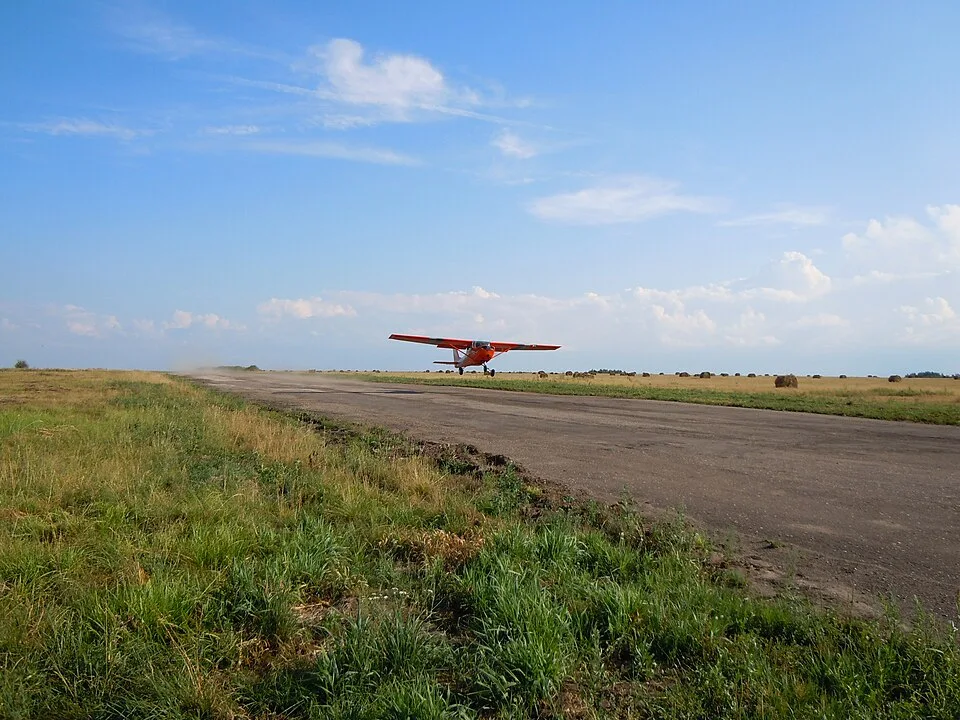

Configuration can change the answer
The approved engine and propeller combination, landing-gear configuration and any performance-related supplements belong in the research. A stock 150 row cannot be made into a floatplane or higher-power conversion estimate by applying an informal multiplier. The propeller references help identify why an application is more specific than a general engine-family name.
Keep the departure's subsequent climb requirement in view as well. Clearing the publication's reference obstacle and meeting the real route's terrain requirement are separate questions that need their own applicable evidence.
Make comparisons reproducible
Keep the exact source row and its publication reference with a comparison note. If a runway surface or atmospheric condition is absent from the normalized record, identify the missing input explicitly. Do not interpret the absence as a statement that the published distance applies to every surface or temperature. A reproducible comparison should allow another reader to find the same chart and understand why its conditions were selected.
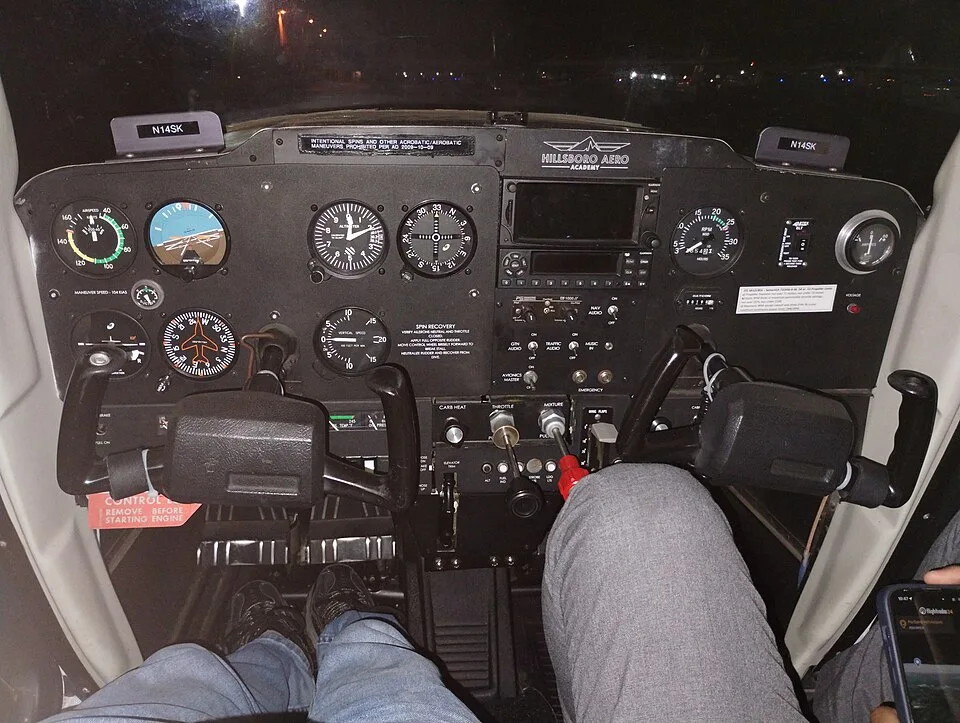

Why airport elevation is not the whole altitude question
A runway's elevation is fixed, but the atmosphere encountered on a particular day is not. The density-altitude explanation connects pressure and temperature to the aircraft's takeoff and climb questions. Establish the inputs required by the applicable handbook, along with loading, wind and runway conditions. Do not apply an invented family-wide percentage penalty to a historical ground-roll figure.
Read ground roll and obstacle distance separately, then assess the departure beyond the initial obstacle. A takeoff-distance result cannot by itself establish continued climb capability over terrain. The installed engine and propeller configuration also remain part of the aircraft application; an increased nominal horsepower does not supply a revised takeoff chart.