Cessna 150 and 152 Range: Tanks, Power and Reserve Basis
Range figures for the Cessna 150 and 152 are meaningful only when the fuel configuration and reserve assumptions accompany the distance. Cruise range, optimum range and maximum range describe different published conditions. Sorting them into one longest-to-shortest list would conceal the choices that produced the result.
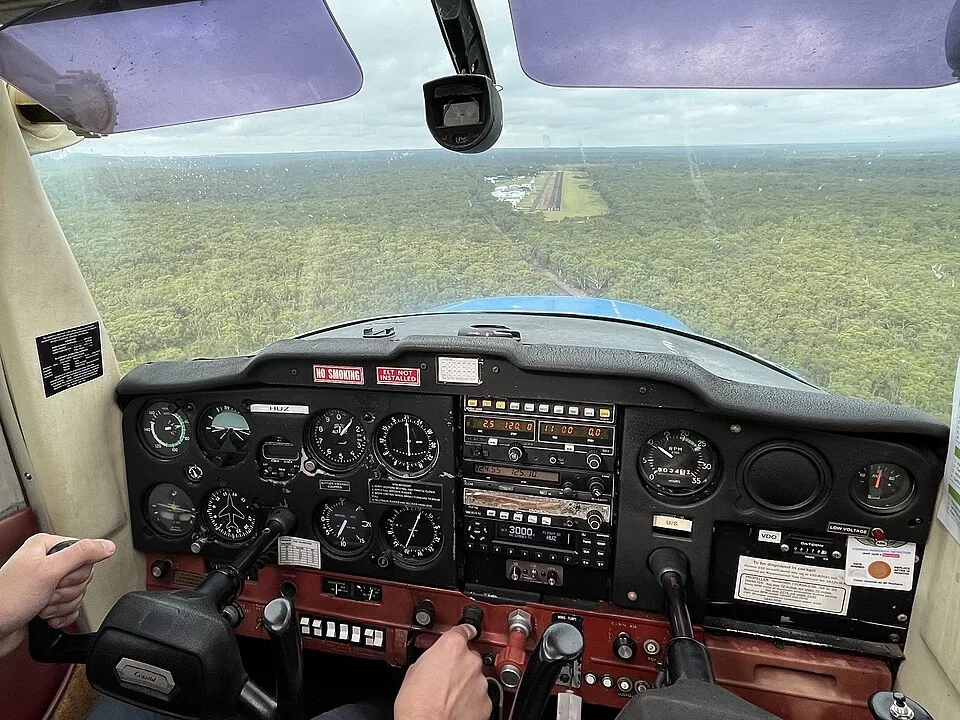

Standard and long-range fuel are separate cases
The source records distinguish standard-tank figures from long-tank figures and retain usable fuel where supplied. More tank capacity creates another loading choice; it does not prove that full fuel and the same passenger load fit within the aircraft's limits. The useful-load guide connects fuel carried with the remaining payload.
Published range cases, including separate tank and reserve assumptions (40 records)
| Reference family | Year | Model | Metric | Value | Units | Power % | Altitude ft | Fuel Usable gal | Reserve Basis | Condition Note | Source |
|---|---|---|---|---|---|---|---|---|---|---|---|
| Cessna 150 | 1960 | 150 | Cruise range | 520 | mi | 70 | 9000 | 22.5 | No reserve | Condition-preserved published range | [1] |
| Cessna 150 | 1960 | 150 | Cruise range long tanks | 810 | mi | 70 | 9000 | 35 | No reserve | Condition-preserved published range | [1] |
| Cessna 150 | 1960 | 150 | Maximum range | 630 | mi | - | 10000 | 22.5 | No reserve | Condition-preserved published range | [1] |
| Cessna 150 | 1960 | 150 | Maximum range long tanks | 980 | mi | - | 10000 | 35 | No reserve | Condition-preserved published range | [1] |
| Cessna 150 | 1963 | 150C | Cruise range | 500 | mi | 75 | 7500 | 22.5 | No reserve | Condition-preserved published range | [2] |
| Cessna 150 | 1963 | 150C | Cruise range long tanks | 775 | mi | 75 | 7500 | 35 | No reserve | Condition-preserved published range | [2] |
| Cessna 150 | 1963 | 150C | Optimum range | 610 | mi | - | 10000 | 22.5 | No reserve | Condition-preserved published range | [2] |
| Cessna 150 | 1963 | 150C | Optimum range long tanks | 945 | mi | - | 10000 | 35 | No reserve | Condition-preserved published range | [2] |
| Cessna 150 | 1964 | 150D | Cruise range | 490 | mi | 75 | 7500 | 22.5 | No reserve | Condition-preserved published range | [3] |
| Cessna 150 | 1964 | 150D | Cruise range long tanks | 760 | mi | 75 | 7500 | 35 | No reserve | Condition-preserved published range | [3] |
| Cessna 150 | 1964 | 150D | Optimum range | 565 | mi | - | 10000 | 22.5 | No reserve | Condition-preserved published range | [3] |
| Cessna 150 | 1964 | 150D | Optimum range long tanks | 885 | mi | - | 10000 | 35 | No reserve | Condition-preserved published range | [3] |
| Cessna 150 | 1966 | 150F | Cruise range | 480 | mi | 75 | 7500 | 22.5 | No reserve | Condition-preserved published range | [4] |
| Cessna 150 | 1966 | 150F | Cruise range long tanks | 745 | mi | 75 | 7500 | 35 | No reserve | Condition-preserved published range | [4] |
| Cessna 150 | 1966 | 150F | Optimum range | 560 | mi | - | 10000 | 22.5 | No reserve | Condition-preserved published range | [4] |
| Cessna 150 | 1966 | 150F | Optimum range long tanks | 870 | mi | - | 10000 | 35 | No reserve | Condition-preserved published range | [4] |
| Cessna 150 | 1969 | 150J | Cruise range | 475 | mi | 75 | 7000 | 22.5 | No reserve | Condition-preserved published range | [5] |
| Cessna 150 | 1969 | 150J | Cruise range long tanks | 726 | mi | 75 | 7000 | 35 | No reserve | Condition-preserved published range | [5] |
| Cessna 150 | 1969 | 150J | Optimum range | 565 | mi | - | 10000 | 22.5 | No reserve | Condition-preserved published range | [5] |
| Cessna 150 | 1969 | 150J | Optimum range long tanks | 880 | mi | - | 10000 | 35 | No reserve | Condition-preserved published range | [5] |
| Cessna 150 | 1973 | 150L | Cruise range | 475 | mi | 75 | 7000 | 22.5 | No reserve | Condition-preserved published range | [6] |
| Cessna 150 | 1973 | 150L | Cruise range long tanks | 725 | mi | 75 | 7000 | 35 | No reserve | Condition-preserved published range | [6] |
| Cessna 150 | 1973 | 150L | Optimum range | 565 | mi | - | 10000 | 22.5 | No reserve | Condition-preserved published range | [6] |
| Cessna 150 | 1973 | 150L | Optimum range long tanks | 889 | mi | - | 10000 | 35 | No reserve | Condition-preserved published range | [6] |
| Cessna 150 | 1977 | 150M | Cruise range | 340 | nm | 75 | 7000 | 22.5 | 45 min @45% power | Condition-preserved published range | [7] |
| Cessna 150 | 1977 | 150M | Cruise range long tanks | 580 | nm | 75 | 7000 | 35 | 45 min @45% power | Condition-preserved published range | [7] |
| Cessna 150 | 1977 | 150M | Maximum range | 420 | nm | - | 10000 | 22.5 | 45 min @45% power | Condition-preserved published range | [7] |
| Cessna 150 | 1977 | 150M | Maximum range long tanks | 735 | nm | - | 10000 | 35 | 45 min @45% power | Condition-preserved published range | [7] |
| Cessna 152 | 1978 | 152 | Cruise range | 350 | nm | 75 | 8000 | 24.5 | 45 min @45% power | Condition-preserved published range | [8] |
| Cessna 152 | 1978 | 152 | Cruise range long tanks | 580 | nm | 75 | 8000 | 37.5 | 45 min @45% power | Condition-preserved published range | [8] |
| Cessna 152 | 1978 | 152 | Optimum range | 415 | nm | - | 10000 | 24.5 | 45 min @45% power | Condition-preserved published range | [8] |
| Cessna 152 | 1978 | 152 | Optimum range long tanks | 698 | nm | - | 10000 | 37.5 | 45 min @45% power | Condition-preserved published range | [8] |
| Cessna 152 | 1981 | 152 | Cruise range | 320 | nm | 75 | 8000 | 24.5 | Start/taxi/takeoff/climb + 45 min reserve | Condition-preserved published range | [9] |
| Cessna 152 | 1981 | 152 | Cruise range long tanks | 545 | nm | 75 | 8000 | 37.5 | Start/taxi/takeoff/climb + 45 min reserve | Condition-preserved published range | [9] |
| Cessna 152 | 1981 | 152 | Maximum range | 415 | nm | - | 10000 | 24.5 | Start/taxi/takeoff/climb + 45 min reserve | Condition-preserved published range | [9] |
| Cessna 152 | 1981 | 152 | Maximum range long tanks | 690 | nm | - | 10000 | 37.5 | Start/taxi/takeoff/climb + 45 min reserve | Condition-preserved published range | [9] |
| Cessna 152 | 1985 | 152 | Cruise range | 315 | nm | 75 | 8500 | 24.5 | Start/taxi/takeoff/climb + 45 min reserve | Condition-preserved published range | [10] |
| Cessna 152 | 1985 | 152 | Cruise range long tanks | 540 | nm | 75 | 8500 | 37.5 | Start/taxi/takeoff/climb + 45 min reserve | Condition-preserved published range | [10] |
| Cessna 152 | 1985 | 152 | Maximum range | 370 | nm | - | 10000 | 24.5 | Start/taxi/takeoff/climb + 45 min reserve | Condition-preserved published range | [10] |
| Cessna 152 | 1985 | 152 | Maximum range long tanks | 625 | nm | - | 10000 | 37.5 | Start/taxi/takeoff/climb + 45 min reserve | Condition-preserved published range | [10] |
- [1] 1960 model-year specification page
- [2] 1963 model-year specification page
- [3] 1964 150 Owner's Manual
- [4] 1966 model-year specification page
- [5] 1969 model-year specification page
- [6] 1973 model-year specification page
- [7] 1977 model-year specification page
- [8] 1978 model-year specification page
- [9] Supporting source for model year specifications
- [10] Supporting source for model year specifications
Why reserve changes a comparison
Some early 150 published records use a no-reserve basis. Later records describe a reserve condition, including the later 150M reference to 45 minutes at 45 percent power. A later number can therefore be lower without showing a proportionate loss of cruise efficiency. Read each row's reserve field rather than applying one reserve convention to the entire family.
The published condition is historical evidence, not a statement that its reserve allowance satisfies today's intended flight. Determine the applicable operating requirements separately, then use the aircraft's handbook to build the actual plan. This page deliberately preserves the source wording instead of silently recomputing distances under an assumed common reserve.

Turn range research into a useful buying question
Ask whether the intended route can be flown with the desired occupants, equipment, fuel stops and weather allowance. Wind, climb, routing and contingency choices can change the outcome even if two aircraft have similar brochure figures. The cruise-speed page helps explain the power and altitude side of that question.
For an altered aircraft, establish the installed tanks and engine and obtain the relevant supplements. A stock U.S. specification row is not evidence for a Reims aircraft or a converted engine installation merely because the airframe looks similar.
Range records and missing evidence
The table groups several named range measures because the distinction between them is the subject of this page. It does not imply that their values were measured under one common setup. Before calculating a difference, identify both rows and ask whether the aircraft configuration, speed condition and fuel reserve agree. If they do not, describe the difference in assumptions before attempting to interpret the distance.

Endurance is time; range is distance
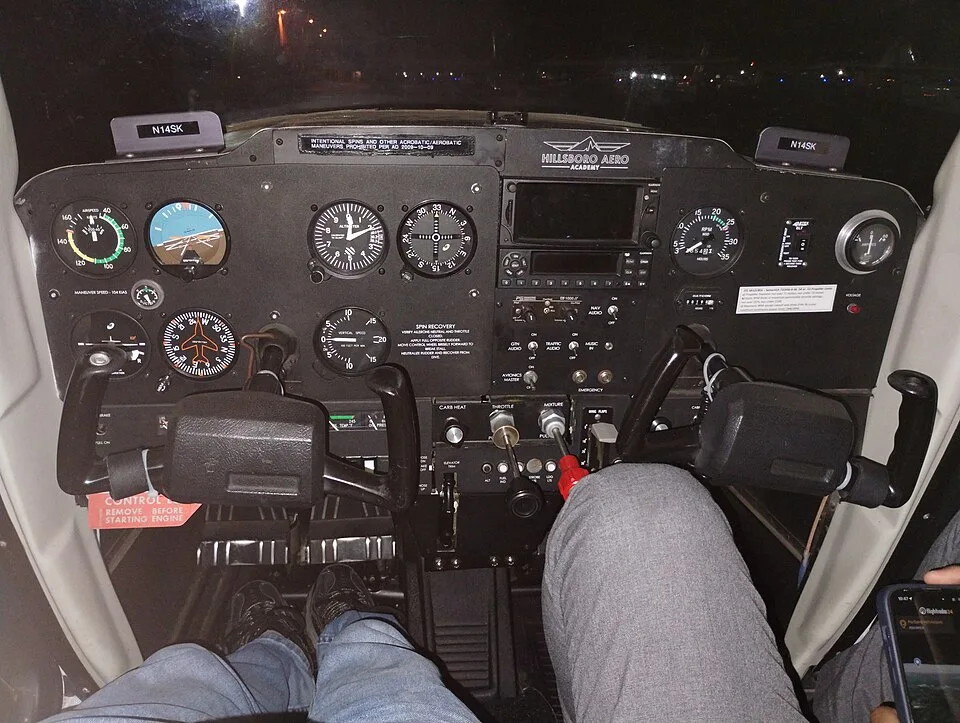
Fuel available and fuel use contribute to an endurance calculation, while progress over the ground determines how far that time can carry the aircraft along a route. The airspeed and groundspeed guide explains the wind distinction. More tank capacity does not establish a proportional increase in practical range if the load, reserve, routing or climb assumptions also change. Use the applicable aircraft data and a complete fuel plan rather than treating a maximum published distance as a destination guarantee.