Cessna 150 and 152 Climb Rate: Sea-Level Reference Figures
The published sea-level rate of climb is a reference point for comparing Cessna 150 and 152 model years. It is not a guaranteed climb rate at another elevation, weight or temperature. The table preserves the model, year and units rather than presenting a single family-wide figure.


What a sea-level figure answers
A rate in feet per minute describes vertical progress with time under the publication's conditions. It does not by itself describe obstacle clearance along a departure path. That question also depends on forward progress and the conditions governing the takeoff and climb. Keep takeoff distance and climb-rate research connected, while treating them as separate quantities.
Published sea-level climb rates (21 records)
| Reference family | Year | Model | Metric | Value | Units | Source |
|---|---|---|---|---|---|---|
| Cessna 150 | 1960 | 150 | Sea-level rate of climb | 740 | fpm | [1] |
| Cessna 150 | 1961 | 150A | Sea-level rate of climb | 740 | fpm | [2] |
| Cessna 150 | 1962 | 150B | Sea-level rate of climb | 760 | fpm | [3] |
| Cessna 150 | 1963 | 150C | Sea-level rate of climb | 760 | fpm | [4] |
| Cessna 150 | 1964 | 150D | Sea-level rate of climb | 670 | fpm | [5] |
| Cessna 150 | 1965 | 150E | Sea-level rate of climb | 670 | fpm | [6] |
| Cessna 150 | 1966 | 150F | Sea-level rate of climb | 670 | fpm | [7] |
| Cessna 150 | 1967 | 150G | Sea-level rate of climb | 670 | fpm | [8] |
| Cessna 150 | 1969 | 150J | Sea-level rate of climb | 670 | fpm | [9] |
| Cessna 150 | 1970 | 150K | Sea-level rate of climb | 670 | fpm | [10] |
| Cessna 150 | 1971 | 150L | Sea-level rate of climb | 670 | fpm | [11] |
| Cessna 150 | 1972 | 150L | Sea-level rate of climb | 670 | fpm | [12] |
| Cessna 150 | 1973 | 150L | Sea-level rate of climb | 670 | fpm | [13] |
| Cessna 150 | 1974 | 150L | Sea-level rate of climb | 670 | fpm | [14] |
| Cessna 150 | 1977 | 150M | Sea-level rate of climb | 670 | fpm | [15] |
| Cessna 152 | 1978 | 152 | Sea-level rate of climb | 715 | fpm | [16] |
| Cessna 152 | 1979 | 152 | Sea-level rate of climb | 715 | fpm | [17] |
| Cessna 152 | 1980 | 152 | Sea-level rate of climb | 715 | fpm | [18] |
| Cessna 152 | 1981 | 152 | Sea-level rate of climb | 715 | fpm | [19] |
| Cessna 152 | 1982 | 152 | Sea-level rate of climb | 715 | fpm | [20] |
| Cessna 152 | 1985 | 152 | Sea-level rate of climb | 715 | fpm | [21] |
- [1] 1960 model-year specification page
- [2] 1961 model-year specification page
- [3] 1962 model-year specification page
- [4] 1963 model-year specification page
- [5] 1964 model-year specification page
- [6] 1965 model-year specification page
- [7] 1966 model-year specification page
- [8] 1967 model-year specification page
- [9] 1969 model-year specification page
- [10] 1970 model-year specification page
- [11] 1971 model-year specification page
- [12] 1972 model-year specification page
- [13] 1973 model-year specification page
- [14] 1974 model-year specification page
- [15] 1977 model-year specification page
- [16] 1978 model-year specification page
- [17] 1979 model-year specification page
- [18] 1980 model-year specification page
- [19] 1981 model-year specification page
- [20] 1982 model-year specification page
- [21] 1985 model-year specification page
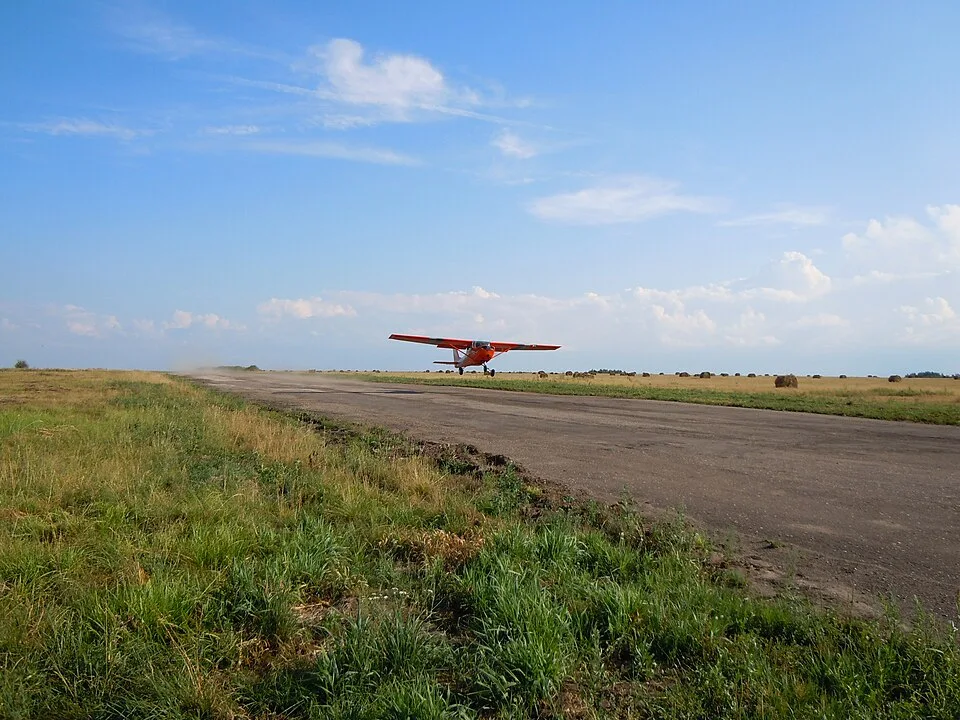

Missing conditions remain missing
Several normalized headline records have no detailed condition note. Their absence should not be filled by assuming that every year used an identical test weight, temperature or technique. The historical figures are useful for locating relevant publications and understanding the broad model sequence. For a controlled comparison, find the matching performance charts and retain every stated condition.
Changes in engine rating do not justify scaling climb rate by the percentage increase in horsepower. Aircraft weight, propeller application and other configuration differences also matter. Compare the O-200-A and the O-235-L2C as complete installations instead of treating their nameplate ratings as a climb calculator.
Researching a particular aircraft
Start with its legal model and the current weight-and-balance record. Identify any modification that changes the applicable flight-manual information. Then use the approved performance material for the actual departure conditions. A factory eligibility record is useful background, but it cannot prove that the original engine or propeller remains installed.
The service-ceiling reference addresses another often-confused headline: a published altitude limit on climb capability is not the same thing as the climb rate available near the ground.
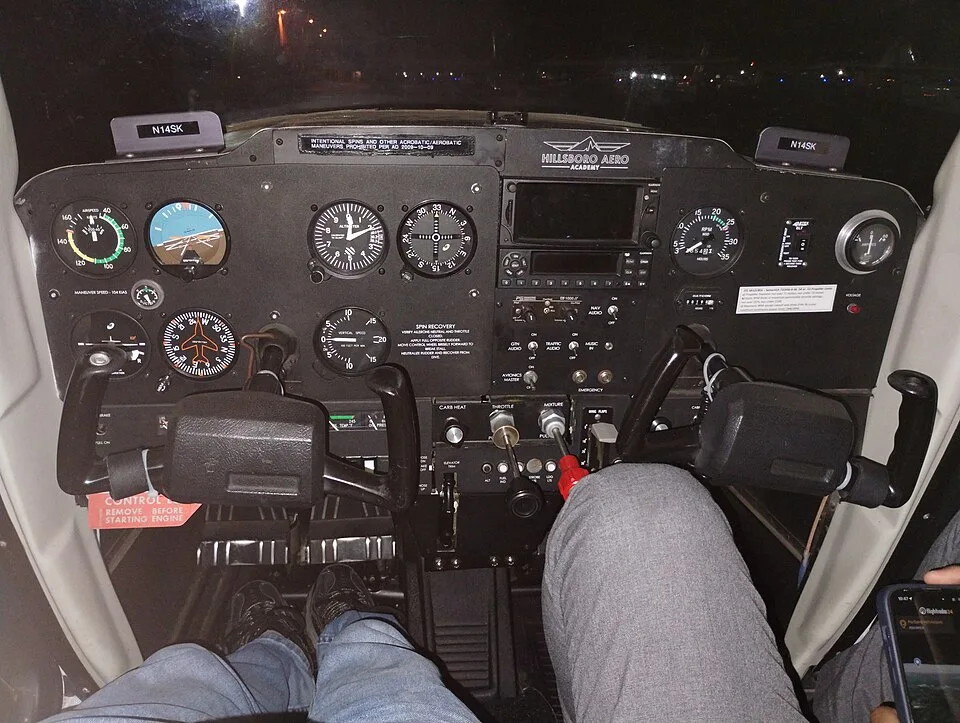

A useful comparison record
Write down the source year, legal model and the publication behind the climb figure. Then record the conditions still needed to make the comparison operationally meaningful. This separates a missing chart input from an actual aircraft limitation. It also gives the reviewing pilot or mechanic a precise question to resolve, instead of asking whether a model generally climbs well without stating the mission.