Cessna 150 and 152 Cruise Speed: Power, Altitude and Units
Cruise speed is a condition-dependent figure, not one number for every Cessna 150 or 152. The useful comparison combines the model year, speed units, power setting and altitude. A published maximum speed answers a different question and should not replace the cruise figure when comparing aircraft.
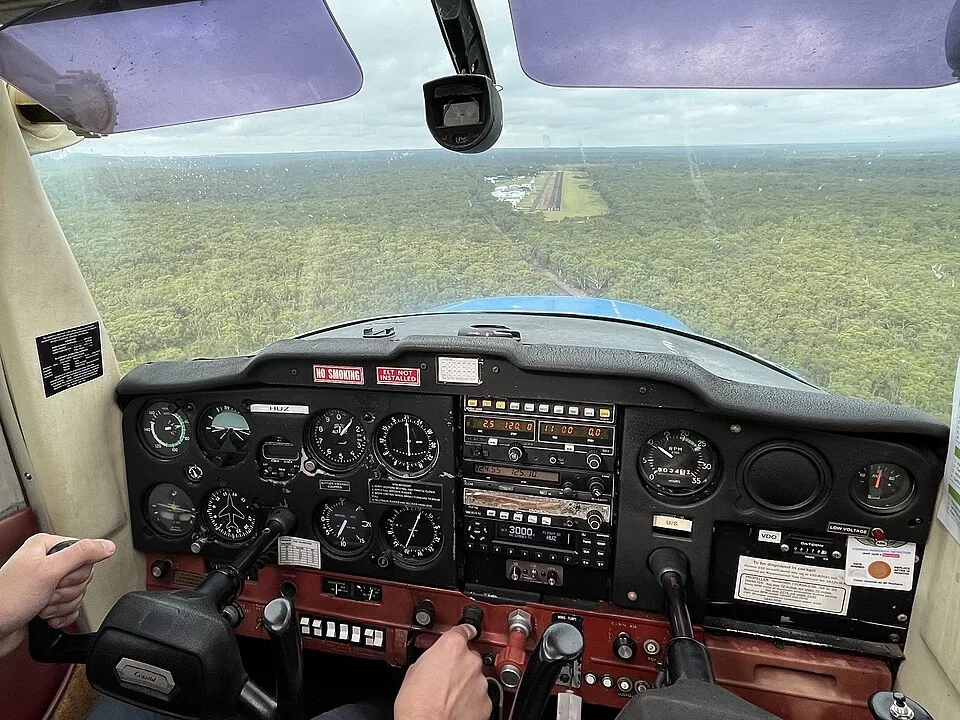

Read the conditions before the number
The 1960 Cessna 150 record describes 121 mph at 70 percent power and 9,000 feet. The 1963 150C record describes 125 mph at 75 percent and 7,500 feet. These are useful historical reference points, but they do not isolate the effect of the model change: power and altitude changed as well. A blank condition in the table means that the normalized record does not establish it.
Published cruise records with retained conditions (21 records)
| Reference family | Year | Model | Metric | Value | Units | Power % | Altitude ft | Condition Note | Source |
|---|---|---|---|---|---|---|---|---|---|
| Cessna 150 | 1960 | 150 | Cruise speed | 121 | mph | 70 | 9000 | Published headline condition | [1] |
| Cessna 150 | 1961 | 150A | Cruise speed | 121 | mph | 70 | 9000 | Published headline condition | [2] |
| Cessna 150 | 1962 | 150B | Cruise speed | 125 | mph | - | - | Published headline condition | [3] |
| Cessna 150 | 1963 | 150C | Cruise speed | 125 | mph | 75 | 7500 | Published headline condition | [4] |
| Cessna 150 | 1964 | 150D | Cruise speed | 122 | mph | 75 | 7500 | Published headline condition | [5] |
| Cessna 150 | 1965 | 150E | Cruise speed | 125 | mph | 75 | 7500 | Published headline condition | [6] |
| Cessna 150 | 1966 | 150F | Cruise speed | 120 | mph | 75 | 7500 | Published headline condition | [7] |
| Cessna 150 | 1967 | 150G | Cruise speed | 120 | mph | 75 | 7500 | Published headline condition | [8] |
| Cessna 150 | 1969 | 150J | Cruise speed | 117 | mph | 75 | 7000 | Published headline condition | [9] |
| Cessna 150 | 1970 | 150K | Cruise speed | 117 | mph | 75 | 7000 | Published headline condition | [10] |
| Cessna 150 | 1971 | 150L | Cruise speed | 117 | mph | 75 | 7000 | Published headline condition | [11] |
| Cessna 150 | 1972 | 150L | Cruise speed | 117 | mph | 75 | 7000 | Published headline condition | [12] |
| Cessna 150 | 1973 | 150L | Cruise speed | 117 | mph | 75 | 7000 | Published headline condition | [13] |
| Cessna 150 | 1974 | 150L | Cruise speed | 117 | mph | 75 | 7000 | Published headline condition | [14] |
| Cessna 150 | 1977 | 150M | Cruise speed | 106 | kt | 75 | 7000 | Published headline condition | [15] |
| Cessna 152 | 1978 | 152 | Cruise speed | 107 | kt | 75 | 8000 | Published headline condition | [16] |
| Cessna 152 | 1979 | 152 | Cruise speed | 107 | kt | 75 | 7000 | Published headline condition | [17] |
| Cessna 152 | 1980 | 152 | Cruise speed | 107 | kt | 75 | 7000 | Published headline condition | [18] |
| Cessna 152 | 1981 | 152 | Cruise speed | 107 | kt | 75 | 8000 | Published headline condition | [19] |
| Cessna 152 | 1982 | 152 | Cruise speed | 107 | kt | 75 | 7000 | Published headline condition | [20] |
| Cessna 152 | 1985 | 152 | Cruise speed | 106 | kt | 75 | 8500 | Published headline condition | [21] |
- [1] 1960 model-year specification page
- [2] 1961 model-year specification page
- [3] 1962 model-year specification page
- [4] 1963 model-year specification page
- [5] 1964 model-year specification page
- [6] 1965 model-year specification page
- [7] 1966 model-year specification page
- [8] 1967 model-year specification page
- [9] 1969 model-year specification page
- [10] 1970 model-year specification page
- [11] 1971 model-year specification page
- [12] 1972 model-year specification page
- [13] 1973 model-year specification page
- [14] 1974 model-year specification page
- [15] 1977 model-year specification page
- [16] 1978 model-year specification page
- [17] 1979 model-year specification page
- [18] 1980 model-year specification page
- [19] 1981 model-year specification page
- [20] 1982 model-year specification page
- [21] 1985 model-year specification page
Compare a mission, not a brochure headline
For a buying decision, first identify the cruise condition that resembles the intended use. Then examine an applicable handbook chart for each aircraft at comparable weight, pressure altitude, temperature and power. Preserve the distinction between indicated, calibrated and true airspeed wherever the publication states it. The table's units are retained; an mph figure should never be read as knots.
Wind changes the ground covered in an hour without making the airplane's airspeed the same thing as groundspeed. A faster advertised figure therefore does not establish a shorter trip under different weather, routing or fuel-stop requirements. The range reference explains why reserve and tank configuration belong in that comparison.
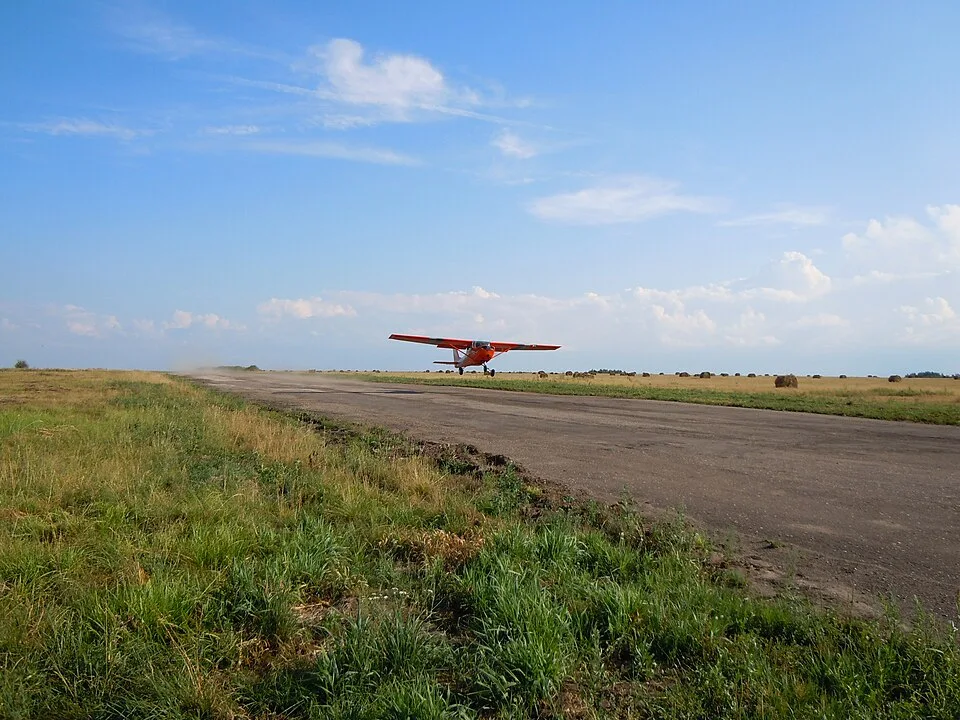

Which aircraft does the evidence describe?
Use the Cessna 150 model guide or Cessna 152 model guide to resolve the exact identity. These historical specification records do not establish performance for an engine conversion, alternate propeller, float installation or an unspecified Reims variant. Check the individual aircraft's approved documents and supplements before using a number operationally.
A comparison worksheet
Record the candidate aircraft, handbook edition, chart location, airspeed definition, power, altitude and weight together. Leave a field unresolved when the publication does not establish it. That worksheet makes a later correction traceable and prevents a rounded sales figure from becoming the technical basis of the comparison. Keep any measured experience separate from the historical published value; the aircraft and conditions behind the observation may differ.
Before ranking models from the table, use the published-performance interpretation guide to separate matched conditions from missing information.
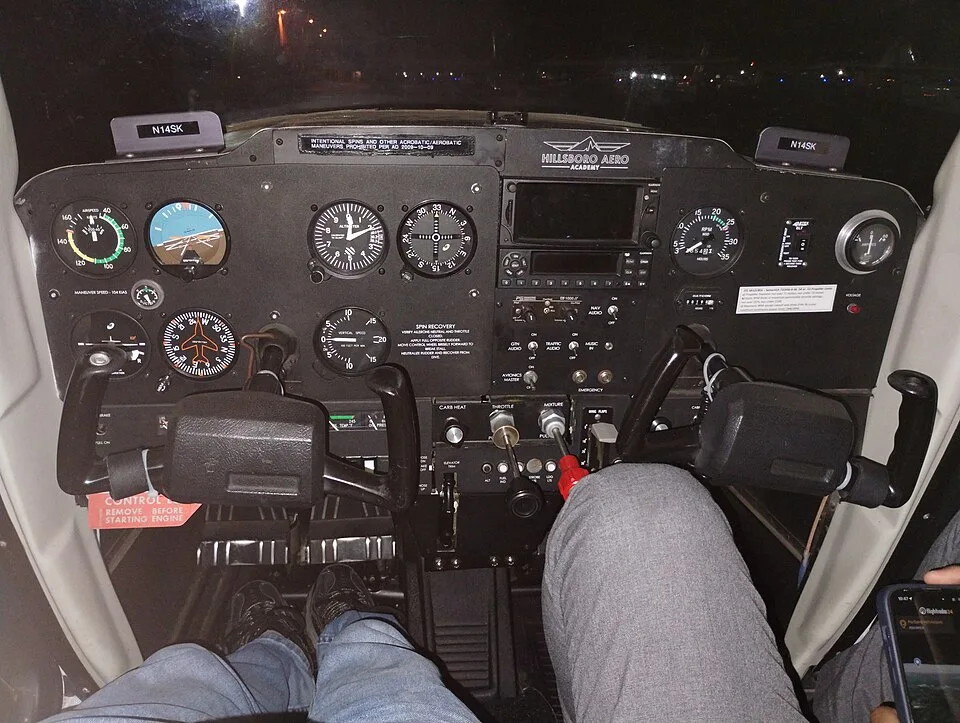

An instrument reading and a trip speed are different comparisons
The airspeed types guide distinguishes the cockpit indication, calibrated airspeed, true airspeed and groundspeed. That distinction prevents a GPS observation in a tailwind from becoming an apparent improvement over a still-air cruise figure. For an aircraft comparison, preserve the publication's speed basis and conditions; for a trip comparison, add the route's wind and fuel-stop consequences.