Reims F150 and F152 Modifications: Exact Model and Approval Evidence
A modification advertised for a Cessna 150 or 152 should not automatically be treated as approved for a Reims F150, FA150, FRA150, F152 or FA152. The existing certification evidence explicitly preserves that distinction. The practical question is whether the approval and its installation conditions cover the exact aircraft, not whether the two aircraft share a familiar silhouette or engine family.


Begin with the full designation
Record the aircraft's complete model and serial identity before searching an approval. Omitting the Reims prefix can change the model being researched. Omitting the Aerobat or FRA distinction can also lose a category or engine-configuration relationship. The Reims serial guide is the starting point when the paperwork uses inconsistent shorthand.
| Reference family | Topic | Authoritative Finding | Reference |
|---|---|---|---|
| Cessna 150 | Reims FAA TC A13EU | A13EU covers F150F/G/H/J/K/L/M, FA150K/L/M, FRA150L/M, F152 and FA152. | [1] |
| Cessna 150 | Reims European context | EASA describes Reims-Cessna as a French company manufacturing Cessna aircraft under license and notes that U.S. Cessna approvals cannot automatically be assumed to cover French-built examples. | [2] |
The retained authority context is enough to establish why a separate approval check is necessary. It is not a complete list of accepted alterations or a determination that a particular STC is unavailable for Reims aircraft. Absence from a short local list is not evidence of prohibition.
An approval document and an installed alteration
An eligible-model list answers whether a described aircraft may fall within an approval's scope. An installation entry and its associated records answer what was actually fitted. Keep those questions separate. A seller providing an STC document may have useful supporting material, but that document alone does not demonstrate installation on the aircraft being offered.
For a proposed or existing engine change, connect the exact engine, propeller and associated aircraft limitations with the approval material. The engine-conversion guide explains why horsepower is only one attribute of the resulting configuration. Loading information, operating supplements and installation instructions may belong to that same evidence trail.


Do not borrow missing U.S. figures
A Reims aircraft with incomplete numerical data should not acquire the equivalent-looking U.S. aircraft's performance or loading numbers by default. The missing information is a document-applicability problem. Resolve it through the correct flight manual and any relevant supplements, using the Reims manuals guide to distinguish publication roles.
The same principle applies to component eligibility. A part appearing in a manufacturer's general application guide is a useful research lead. It does not eliminate the need to identify the exact aircraft approval and installation conditions.
A practical document comparison
Put the model plate information, approval model list, installation entry and current equipment/loading records side by side. Mark whether each uses the same designation and configuration. Preserve any mismatch explicitly: a shortened model name, an unexplained engine suffix or a supplement for another aircraft can be more significant than the apparent completeness of a document bundle.
The certification guide supplies the historical background for these distinctions. This page does not make a present jurisdiction-specific approval decision; it helps an owner or buyer assemble the evidence needed to obtain one without turning similarity into authorization.
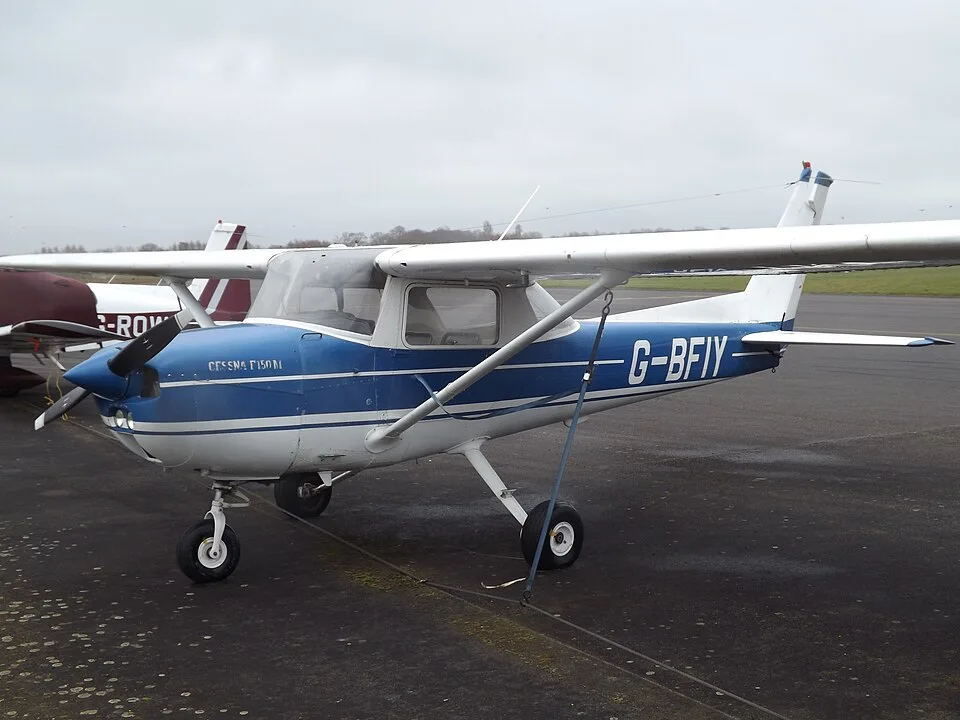

Why a U.S. STC listing is not the whole answer
EASA FAQ 19374 explains that approvals for U.S.-built Cessnas do not formally apply to Reims counterparts without the relevant extension being legally recorded. Its dated guidance describes the minor-change mechanism for extending a grandfathered approval. This is evidence about the approval process, not proof that a particular F150 or F152 has that approval.
There is another search limitation: EASA describes exclusions from its published STC list, including grandfathered approvals. A missing search result is therefore not conclusive evidence that an approval never existed. Keep the holder, original approval and validation or extension records together. The Form 337 and STC guide separates that approval trail from a U.S. aircraft work record.
Connect modification records to later directive research
An installed modification may create another applicability question after its original approval. The Reims directive guide explains how to keep kit conditions and product authority visible in that research. Approval of the modification, accomplishment of required work and the present condition of the modified parts are separate evidence questions.
For a concrete example, earlier rudder-stop kits and corrosion information lead to later service publications. Obtain the actual installed-kit identity before comparing that information with the aircraft file; the FA/FRA designation or an abbreviated “rudder AD done” entry does not identify every later component change.