Cessna 150 and 152 Seat Rails: Locking Wear and Structural Corrosion
Seat-rail research on a Cessna 150 or 152 involves two distinct concerns: locking-system wear and corrosion of the rail's supporting structure. The first can involve worn rail holes, rollers, housings, pins or springs; the second concerns the structure carrying the assembly. A record addressing one does not establish the condition of the other. Both deserve attention in an aircraft investigation, with their separate model scope and regulatory or manufacturer basis preserved.
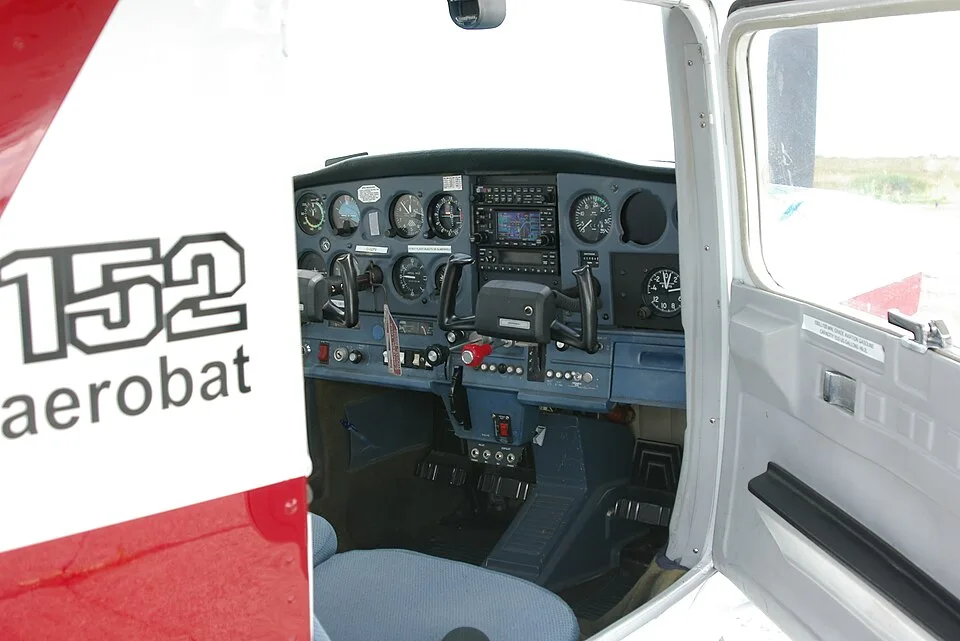

Why an apparently normal seat is not the whole answer
The recorded locking-system failure mode is unexpected seat movement or departure from the rail following wear or damage. Normal adjustment during a casual viewing does not reproduce a detailed inspection or establish that every relevant component is within its applicable limits. The useful question is what the maintenance evidence establishes about the assembly, rather than whether the seat seemed to move and stop normally once.
The primary regulatory research path is AD 2011-10-09. It addresses a connected seat system, not only the visible track. This topic page explains the ownership implications and the separate corrosion concern; the directive page preserves the model-list, recurrence and supersession context. Neither page supplies a replacement inspection procedure or claims aircraft compliance.
| Issue ID | Title | Affected Scope | Failure Mode | Detection / Prebuy Clues | Legal / OEM Status | Conditional Applicability Rule | Reference |
|---|---|---|---|---|---|---|---|
| KI-001 | Seat rail, locking pin and roller wear | Cessna 150A-M, A150, A-150/A-A150, Reims F/FA/FRA150, 152/A152/F152/FA152; all serials in AD applicability. | Seat rail holes, rollers, housings, pins or springs can wear/damage so the seat may slip or leave the rail. | AD inspection of rail holes, dirt/debris, roller/housing/tang dimensions, lock-pin engagement and springs; review repetitive compliance records. | FAA AD - mandatory | None | [1] |
| KI-009 | Seat rail and supporting structure corrosion | SID-covered 150/152 families. | Seat rails/supporting structure can corrode in addition to the separate locking/wear problem. | Review SID 53-47-01; inspect rail/support structure for corrosion and prior repairs. | OEM SID/CPCP | Environment drives interval | [2] |
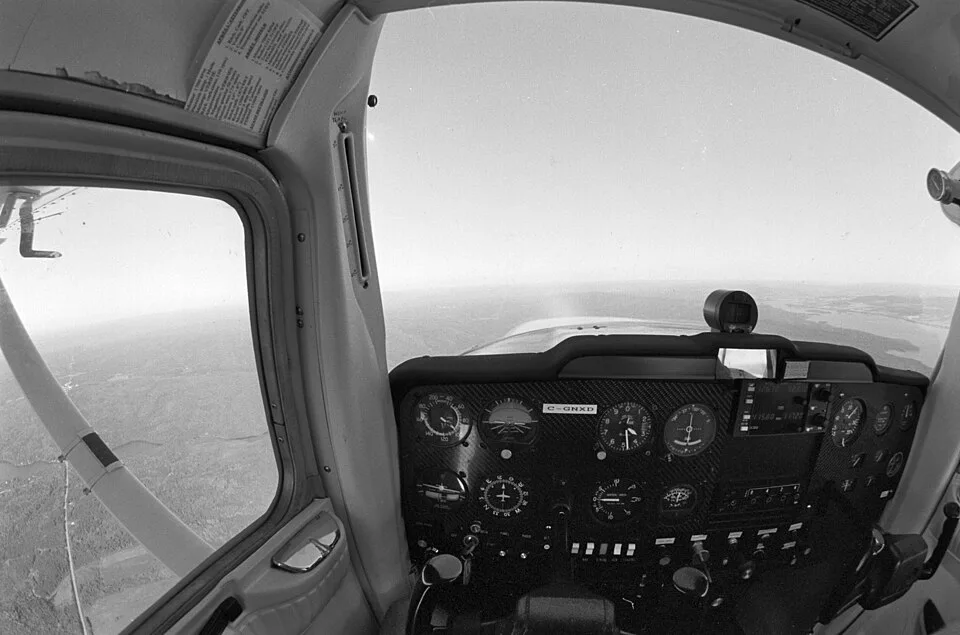

Locking wear and supporting-structure corrosion
The locking/wear record identifies the seat rail holes, dirt or debris, roller and housing dimensions, lock-pin engagement and springs as inspection subjects. Those details explain why a broad logbook phrase may be insufficient to understand what was examined. They are not dimensional acceptance criteria. The controlling AD and referenced instructions must supply the actual inspection and replacement requirements.
The corrosion record instead points to SID 53-47-01 for the seat rail and supporting structure. Structural deterioration is not resolved simply by fitting a new locking pin or demonstrating engagement. Nor should the SID be described as identical in legal status to an AD. Applicable maintenance-program and jurisdiction requirements need their own review. The structural corrosion guide places this subject among the aircraft's other location-specific inspection concerns.
Model scope and evidence disagreements
The issue record's affected scope covers named U.S., Reims and Argentine branches and qualifies the AD relationship by its applicability. That is a research description, not a substitute for the directive's exact model list. An unsuffixed early 150, an Argentine identity or an aircraft described only by a registration requires the actual identification evidence before a legal applicability conclusion is drawn.
Where the issue summary and directive summary use different levels of detail, preserve both and return to the controlling text. The model directory and 150 serial guide explain designation and mapping issues. For the later family, the 152 serial guide prevents exceptional notations from being interpreted as ordinary production prefixes.
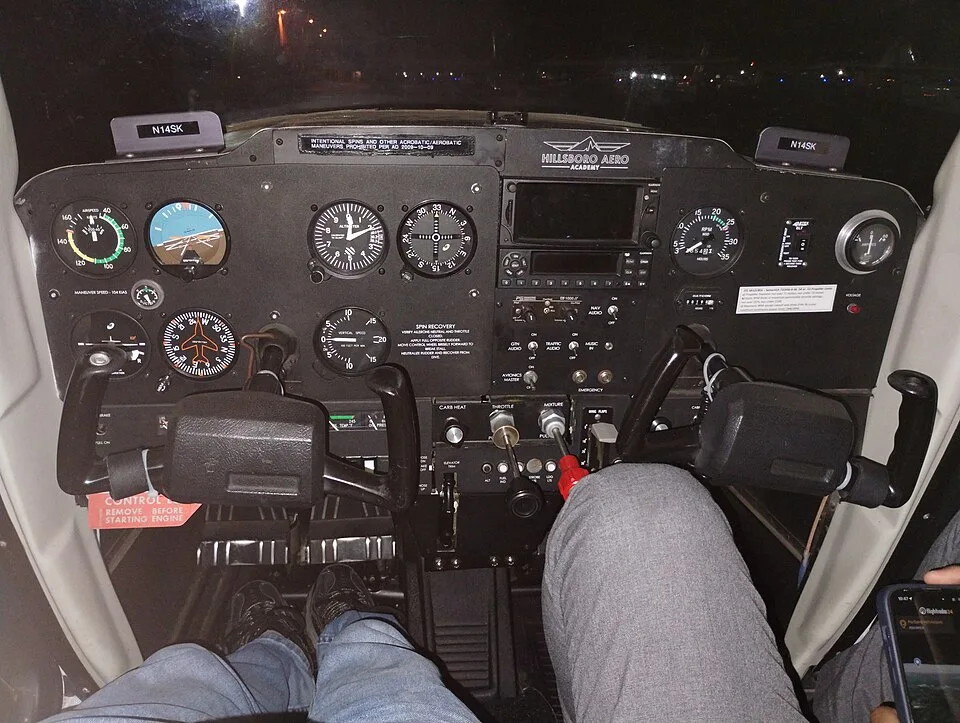

What a buyer should ask the records to establish
A productive prebuy review connects the exact aircraft with the applicable seat-system requirements, repetitive inspection history and any documented repairs or replacements. It also distinguishes work on the seat mechanism from work on the structure beneath it. A recently replaced rail may be useful evidence, but it does not automatically settle the condition of rollers, pins, springs or support structure.
The aircraft's environment and maintenance history matter when investigating corrosion, but neither age nor storage description proves a finding. Photographs can reveal a concern or show access limitations; they cannot establish the internal condition of areas that were not inspected. An unresolved record is a reason to investigate with qualified support, not a basis to declare either a defect or a clean bill of health.
Keeping maintenance decisions tied to sources
The 150 manuals and 152 manuals references help identify the correct service-manual family and revision layers. Later structural inspection material may be separate from the base manual, so possession of an old PDF does not establish a complete inspection basis. Check the actual manual’s page and amendment lists before relying on its inspection instructions.
This article is a research aid for owners and buyers. It does not recommend improvised restraints, repairs, component substitutions or adjustments. The outcome of the investigation belongs in the aircraft's inspection and maintenance records. Technical decisions should follow the applicable documentation and qualified assessment, with commercial equipment choices kept separate from the seat system's required condition.