Cessna 150 and 152 Engine TBO: Model, Calendar Time and Overhaul Evidence
The evidence here supports a qualified Lycoming O-235 TBO discussion for the Cessna 152; it does not establish an O-200-A overhaul interval for the Cessna 150. Neither aircraft has one universal engine TBO independent of its installed engine, history and applicable publications. Time between overhaul also differs from present condition or remaining component life.
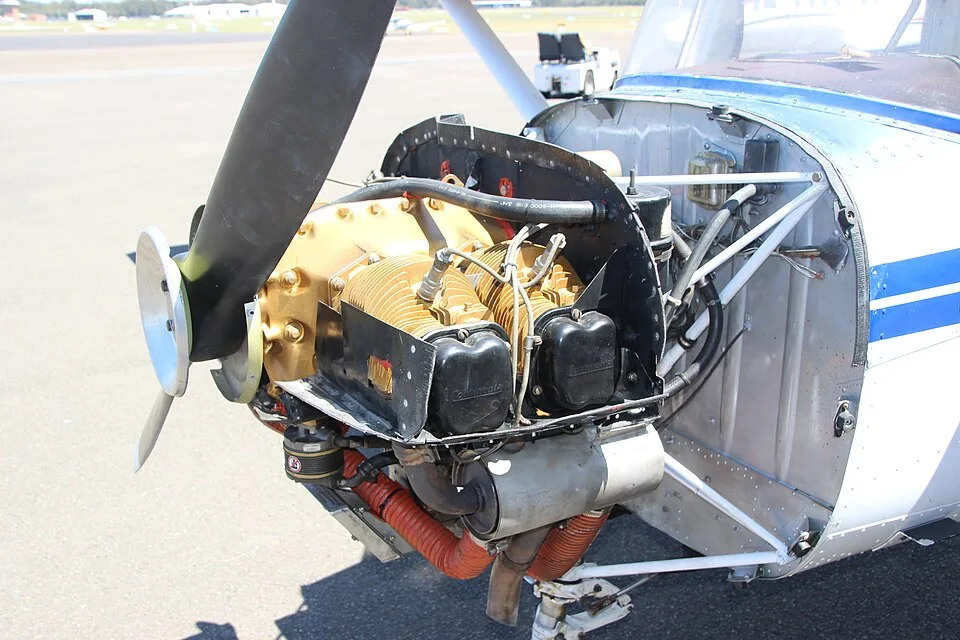

Read the O-235 instruction with its qualifications
Lycoming's SI 1009BF publication page identifies a revision dated 20 July 2026. The instruction itself lists 2,400 hours for the O-235 group excluding F, G and J, but includes configuration, parts, maintenance and operating qualifications. Note 12 concerns increased-strength pistons in high-compression O-235 engines. Its separate 12-year calendar provision and conditions for exceeding that period need their own review; an hour figure alone is incomplete.
This finding gives an owner a specific publication to discuss with the person reviewing the engine. It does not establish that an installed L2C or N2C qualifies, or decide how the instruction interacts with the aircraft's controlling maintenance requirements. the copy also excludes engines affected by and not compliant with AD 2012-19-01 from its tabulated eligibility.
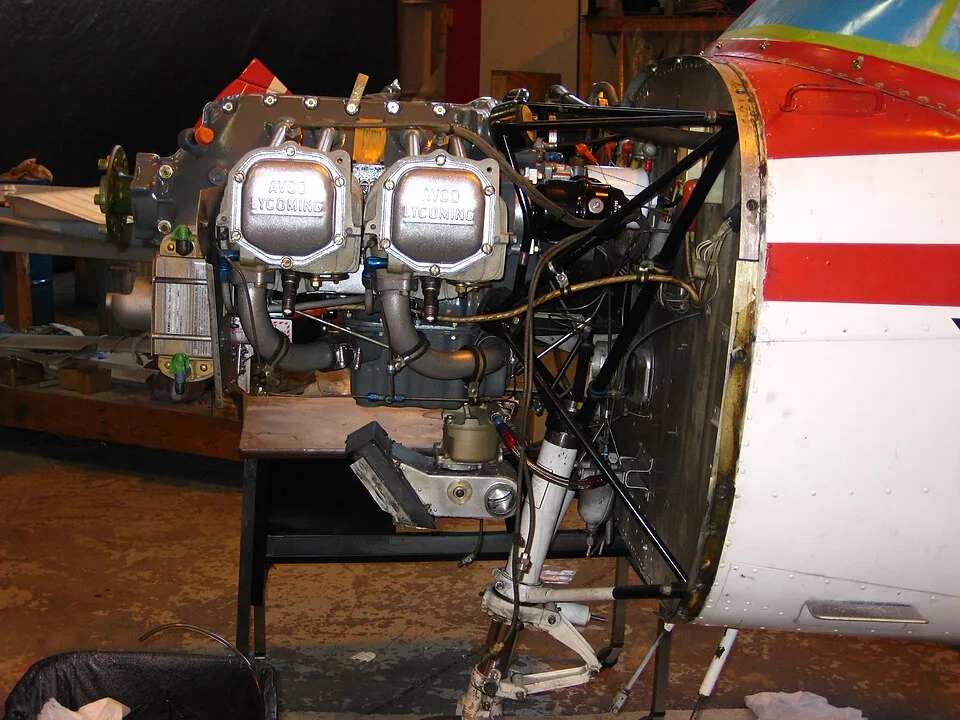

Keep Continental engine variants separate
The Continental 200-series sheet contains separate O-200-A, O-200-D and IO-240-B entries. It is useful for distinguishing engine products, but a family brochure is insufficient to settle an individual O-200-A's overhaul eligibility. Do not borrow a different variant's published interval or use the IO-240 row for a Rolls-Royce O-240 installation.
Start the aircraft inquiry with the O-200-A reference or the O-235 model comparison. A replacement engine can change the research path even though the airframe model stays the same. Photographing or transcribing the engine plate for your own records is more useful than relying on an advertisement's abbreviated engine name.
Turn an advertised hour total into questions
Keep total engine time, time since overhaul, overhaul date and installation date in separate fields. Ask which shop performed the work and which supporting records identify its scope. A low hour total with a long calendar gap presents a different question from frequent operation after a recent documented overhaul.
The engine-time buying guide explains how to follow that history. Use the result to request a focused records and condition review, rather than converting a manufacturer's interval into a guaranteed number of remaining hours or an invented repair budget.
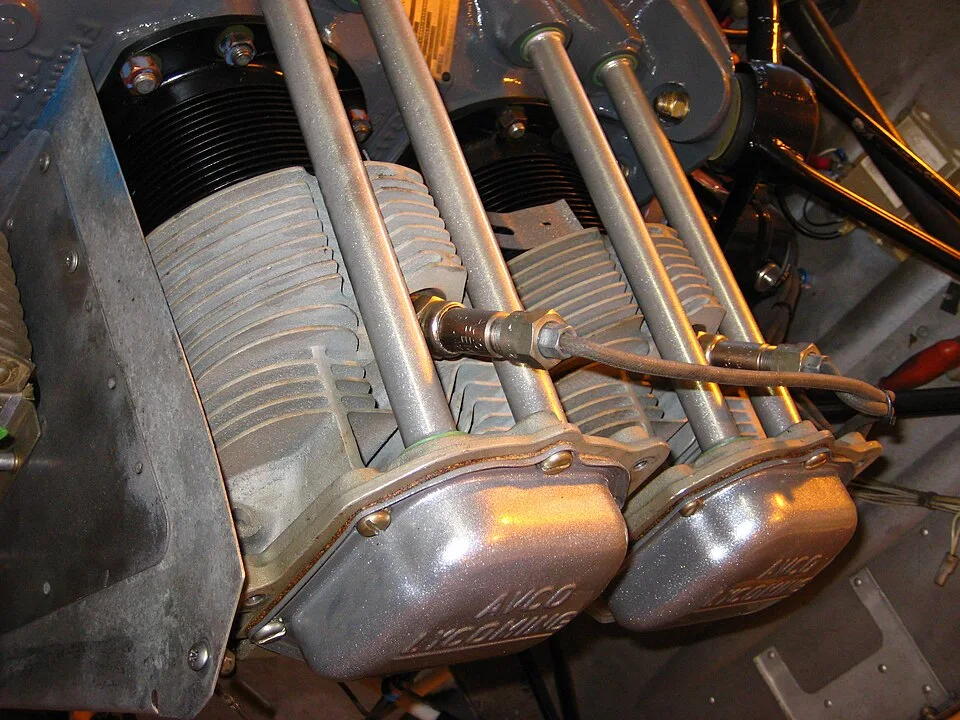

A directive can name a particular schedule revision
The piston-pin directive guide highlights a separate use of a TBO publication: an AD action branch can name a particular revision. Preserve the exact incorporated reference and the applicable directive paragraph when preparing the maintenance enquiry. A general discussion of the publisher’s later schedule cannot alone establish an approved substitute for that reference.
This keeps two questions visible: what the manufacturer’s published schedule says about the engine, and what a particular directive requires for an affected component. Neither the aircraft’s age nor a headline overhaul interval establishes the installed pin’s identity, production documentation or time in service.