Lycoming O-235-L2C vs O-235-N2C: Cessna 152 Ratings and Applicability
The O-235-L2C and O-235-N2C must be compared at the aircraft-installation rating as well as the engine's own rating. The Cessna 152 references record 110 hp at 2,550 rpm for the L2C installation and 108 hp at 2,550 rpm for the N2C installation. These are not the same as the higher-rpm engine ratings.
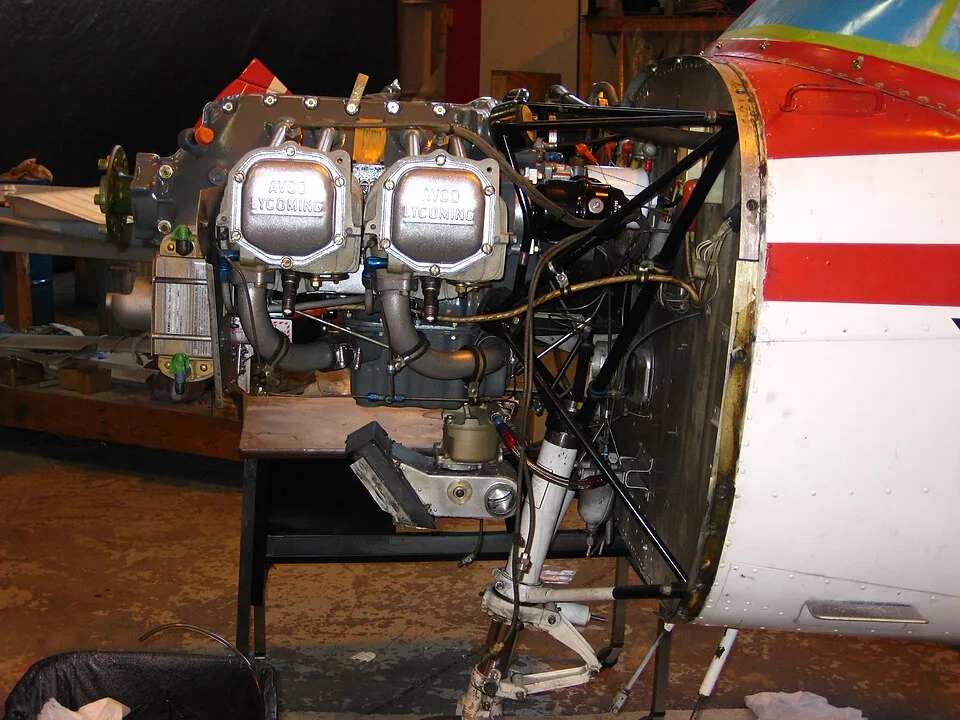

Compare the two layers of rating
The source rows preserve aircraft installed power and maximum rpm separately from engine-rated power and rpm. Reading across those fields prevents a common error: advertising the engine's standalone rating as if it were the approved aircraft power at the installation limit.
| Model | Aircraft installed hp | Aircraft max rpm | Engine TC / manufacturer rated hp | Engine rated rpm | Displacement cu in | Compression | Primary Source | Spec Source |
|---|---|---|---|---|---|---|---|---|
| O-235-L2C | 110 | 2550 | 118 | 2800 | 233.3 | 8.5:1 | [1] | [2] |
| O-235-N2C | 108 | 2550 | 116 | 2800 | 233.3 | 8.1:1 | [1] | [2] |
Serial sequence and approved rework
The N2C research includes later production boundaries and aircraft reworked under the relevant service-kit provisions. The individual N2C reference retains those installation groups, while the L2C reference covers the earlier engine context. A production eligibility row cannot prove which engine is currently installed after decades of maintenance.
The Reims F152 and FA152 paths have their own serial and configuration evidence. Do not substitute a U.S. serial boundary merely because the engine variant is shared. Use the actual legal model and applicable approval material.
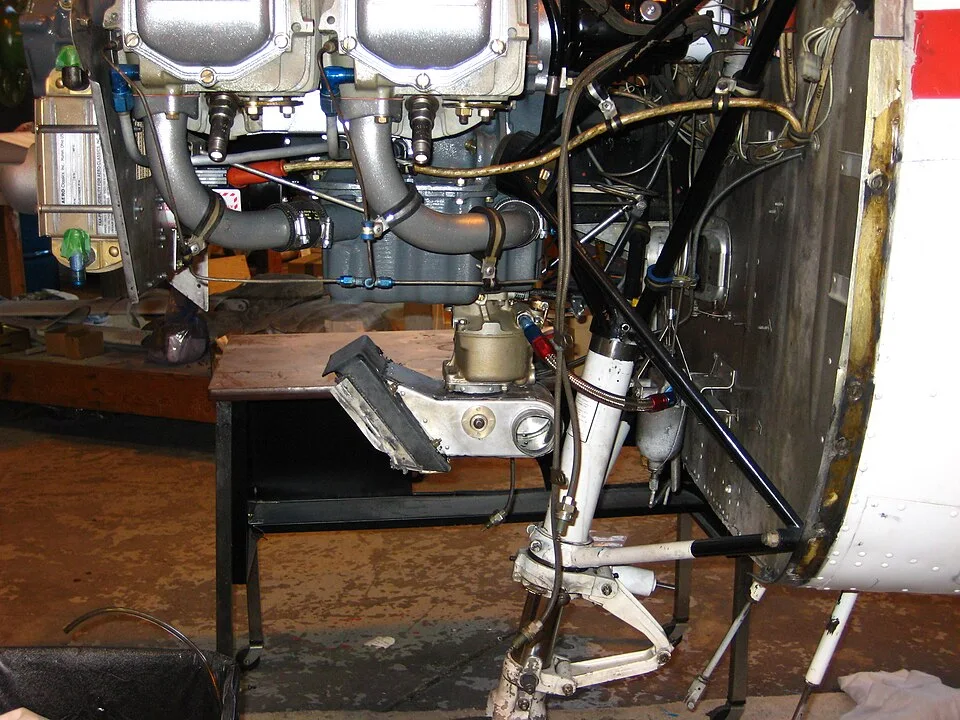

What the difference means for a buyer
Begin with the engine identification and records, then verify the applicable installation and any approved changes. Maintenance condition and record completeness are separate from the nominal rating comparison. A two-horsepower difference in recorded aircraft rating is not enough evidence to rank two individual aircraft's performance or value.
The engine-time guide explains the history questions that accompany engine identity. Conversion claims belong in the conversion reference and must not be merged into either factory variant's specification. This comparison makes no prediction of overhaul timing or current engine condition.
Record the comparison basis
When comparing two listings, record each engine model, claimed time definition, installation evidence and the aircraft rating separately. This exposes an advertisement that quotes engine-rated horsepower beside another that quotes aircraft-installed power. It also keeps a documented approved rework distinct from an assumption based on model year. The numerical comparison becomes useful only after those definitions agree.
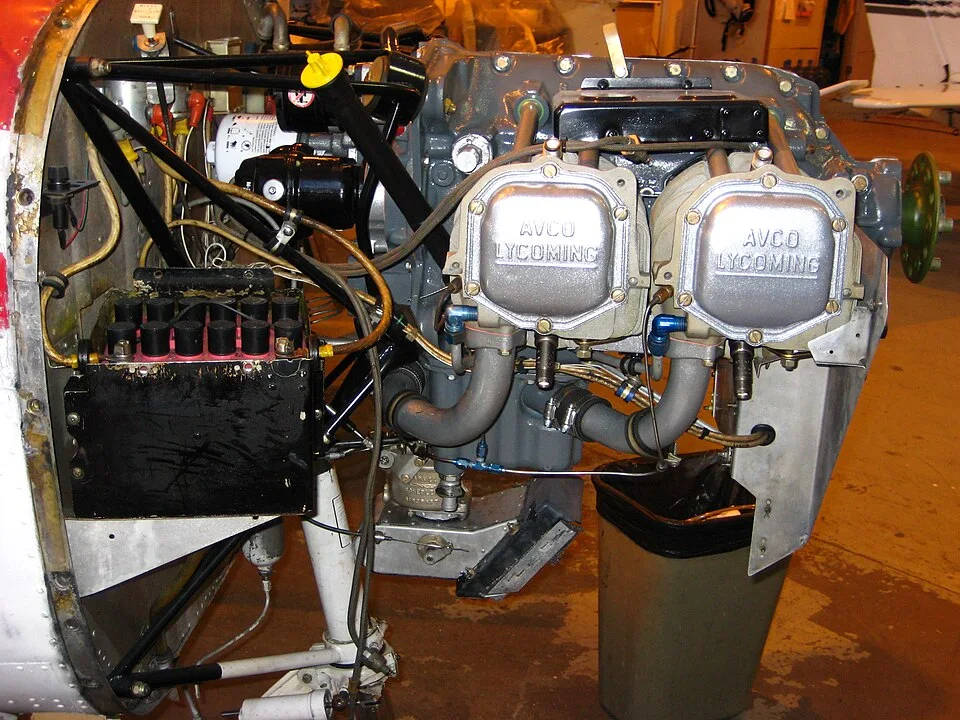

The engine manual has its own edition
The O-235/O-290 operator manual identifies fifth edition, January 2007, on its cover. Check the edition and amendments when selecting it for an engine-specific question. Its specifications index separately identifies the L2C and N2C model groupings, so a series-level reference still requires model-level reading.
An engine manual and an aircraft installation reference answer different questions. Preserve the aircraft rating and effectivity already shown above rather than replacing them with an engine-family headline. For overhaul questions, use the separate TBO research guide, which addresses the newer service instruction and its qualifications without assuming that every installed engine meets them.
Variant identification starts a component enquiry
Both O-235-L2C and O-235-N2C appear in the model scope of AD 2026-17-10 piston-pin research, which also requires the specified engine-serial and installed-pin conditions. The variant label is therefore a starting point, not a conclusion that every engine is affected. Keep the component release and installation evidence with the engine identification.
For a recorded impact, the Lycoming propeller-strike guide addresses a different trigger: the event and the resulting engine work. Do not combine a parts-production enquiry with an event-history enquiry merely because both concern the same O-235.
Place the variant comparison in the aircraft family
The O-200-versus-O-235 comparison addresses the larger 150-to-152 engine transition; the L2C/N2C distinction remains here rather than becoming two near-identical comparisons against Continental. The 152-versus-A152 guide shows why the standard and Aerobat engine boundaries need separate serials. For a French-built aircraft, retain the F152 effectivity and document context instead of importing the U.S. serial rule.