Cessna 150 and 152 Cabin Heat: Exhaust, Ventilation and Defrost
The cabin-heat records describe an exhaust heat exchanger or shroud, control valve and cabin ducting. Fresh-air ventilation and defrost are related cabin-air functions, but they are recorded separately. Understanding those distinctions helps connect a reported cabin-air problem to the appropriate maintenance research.
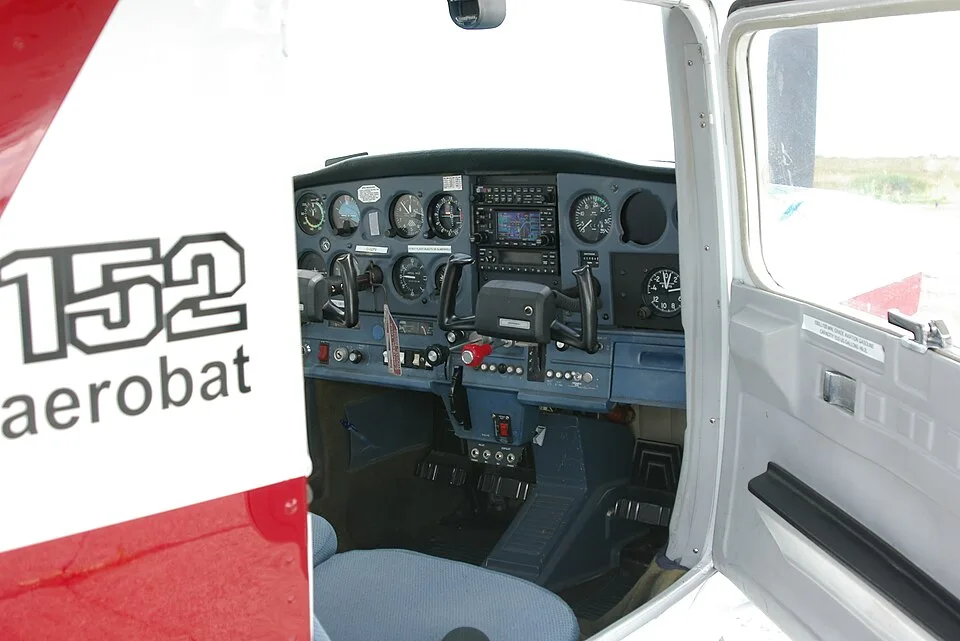

Heat and fresh-air paths
Cabin ventilation uses its own inlets, ducts, outlets and controls. The defrost description covers routing cabin heat or air to windshield outlets on the applicable later family. These overview records do not establish the exact arrangement or condition of a particular aircraft's hoses, controls or exchanger.
| Reference family | System ID | Subsystem | Factory Applicability | Architecture / Components | Operational Interface | Configuration Status | Primary Source |
|---|---|---|---|---|---|---|---|
| Cessna 150 | SYS-HEAT | Cabin heat | All | Exhaust heat exchanger/shroud, valve/control and cabin ducting. | Cabin heating / defrost source. | Exhaust integrity critical. | [1] |
| Cessna 150 | SYS-VENT | Cabin ventilation | All | Fresh-air inlets/ducts/outlets and controls. | Ventilation. | Cabin-era dependent. | [1] |
| Cessna 150 | SYS-DEF | Defrost | Later family | Cabin heat/air routed to windshield outlets. | Windshield defog/defrost. | Ducting varies. | [2] |
| Cessna 152 | SYS-HEAT | Cabin heat | All | Exhaust heat exchanger/shroud, valve/control and cabin ducting. | Cabin heating / defrost source. | Exhaust integrity critical. | [1] |
| Cessna 152 | SYS-VENT | Cabin ventilation | All | Fresh-air inlets/ducts/outlets and controls. | Ventilation. | Cabin-era dependent. | [1] |
| Cessna 152 | SYS-DEF | Defrost | Later family | Cabin heat/air routed to windshield outlets. | Windshield defog/defrost. | Ducting varies. | [2] |
Exhaust concerns are not all one issue
The known-issue evidence includes an early 150 cabin-heat exchanger concern with a stated serial scope, and a separate Avcon muffler concern conditional on an STC and affected muffler. The exhaust issue reference explains why one cannot be substituted for the other during an applicability review.
A satisfactory heater output does not by itself establish exchanger integrity. Have discrepancies assessed using the applicable maintenance information and the actual installation. This page does not offer a cockpit test as a substitute for inspection, nor does it make a finding about the safety of an aircraft from its model identity.
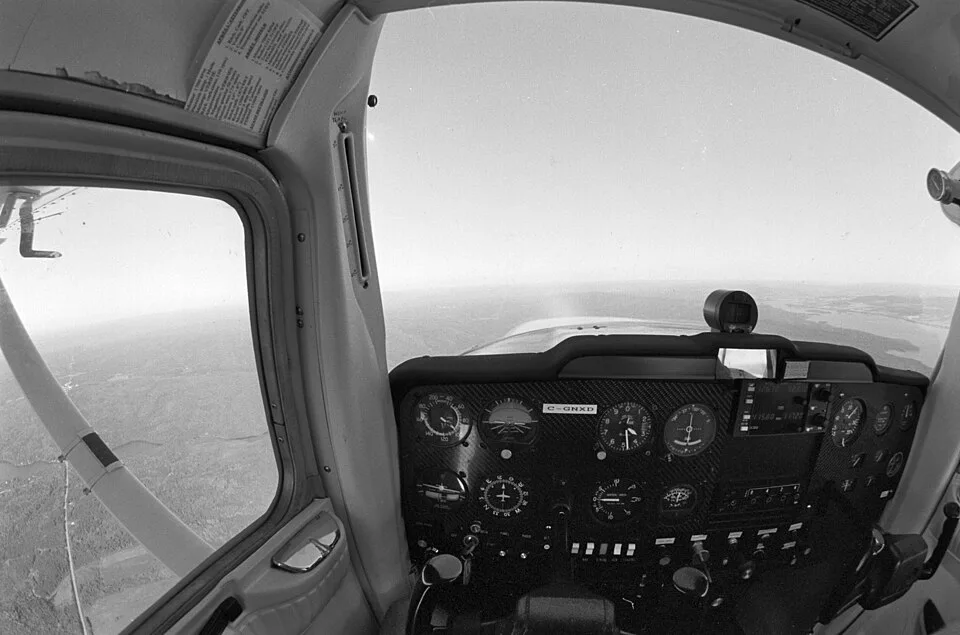

Records and buyer questions
Ask what exhaust and cabin-air components are installed, whether an engine conversion changed them, and what the maintenance records say about findings and replacements. A replacement invoice without component identity may leave a question unresolved. The engine-conversion reference helps separate approved configuration evidence from an advertised power increase.
Future photographs or an original airflow diagram could clarify these relationships, provided they identify the illustrated configuration. A generic image should not imply that every 150, 152 or Reims aircraft has the same detailed arrangement. The current source table keeps the broad system descriptions and their applicability qualifiers visible.
Keep the evidence attached to the finding
When reviewing an exhaust or cabin-air discrepancy, retain the component identity, source publication and any modification reference in the same note. This makes clear whether the question concerns a stock exchanger, a converted installation or ducting and controls. It also prevents a broad cabin-heat description from hiding the narrower component scope that a mechanic needs to investigate.
Early 152 exhaust research has a distinct reference in AD 79-02-06, including original-equipment and KMR muffler conditions. It should not be substituted for the older 150 heat-exchanger scope.
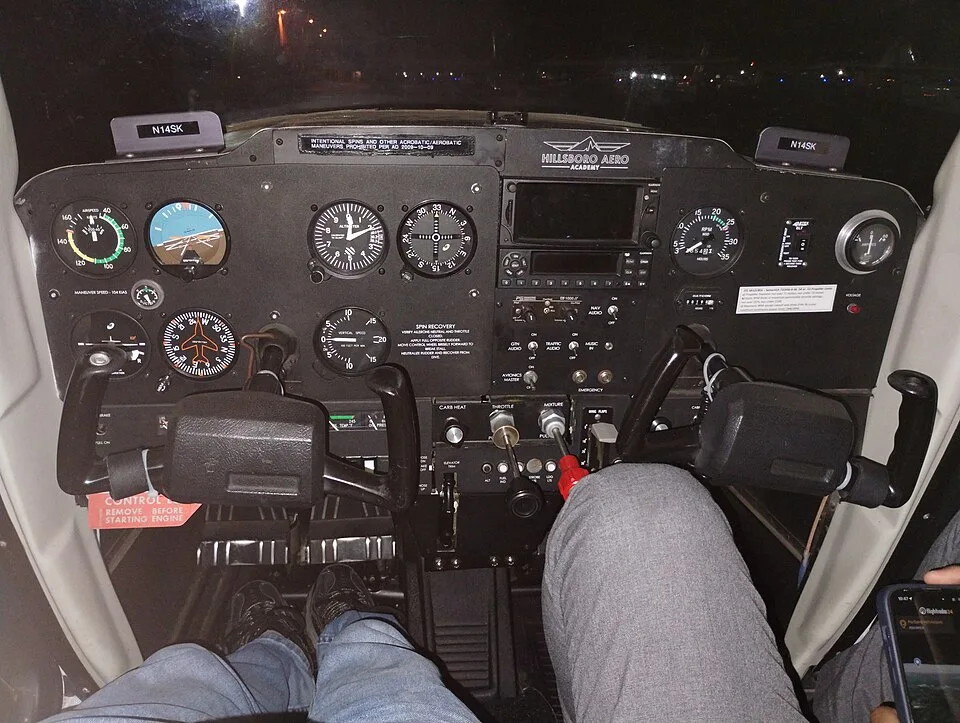

Cabin heat and carburetor heat answer different questions
The carburetor-heat guide concerns induction icing and the engine’s operating-document trail. Keep it separate from the cabin-air and exhaust-condition questions on this page. A shared word on the panel does not mean the controls serve the same purpose.
When reviewing maintenance history, identify the system named by each entry and any referenced work order. If an invoice simply says “heat checked,” ask what the work record actually describes before treating it as evidence about both cabin heating and induction-air operation.