Cessna 150 and 152 Flap Actuator Issues: Jack Screws, Ball Nuts and Stops
Electric-flap Cessna 150 and 152 aircraft do not share one undifferentiated actuator issue. The retained records distinguish early 150 jack-screw concerns, specific 150/A150 ball-nut assemblies, and a later 152-family travel-stop issue. A prebuy review should identify which assembly and serial group it is investigating before treating a general “flap AD done” entry as a complete answer.


Three different failure contexts
The jack-screw entry concerns wear, contamination and lubrication in specified 150F through 150L and related Aerobat/Reims groups. The ball-nut entry points to specific 150/A150 serial combinations. The 152-family entry concerns a mechanical stop nut or approved replacement actuator. These descriptions refer to different components or corrective contexts within the broader flap architecture.
| Reference family | Issue ID | Category | Title | Failure Mode | Affected Scope | Applicability Class | Severity | Operational Consequence | Detection / Prebuy Clues | Maintenance / Mitigation | Legal / OEM Status | Primary Source Ref | Reference | Prebuy Priority | Confidence | Notes |
|---|---|---|---|---|---|---|---|---|---|---|---|---|---|---|---|---|
| Cessna 150 | KI-012 | Flaps / Actuation | Flap jack screw wear, contamination and lubrication | Electric flap jack screw can wear/bind if not properly inspected, cleaned/lubricated or modified. | 150F/G/H/J/K/L and A150K/L specified serials; Reims F150/FA150 ranges per AD. | MODEL / SERIAL | HIGH | Flap malfunction/asymmetry or inability to obtain commanded flap position. | Verify recurring AD compliance, jack-screw condition/lubrication and snubber modification. | AD inspection/clean/lubricate plus snubber modification per approved service information. | FAA AD - mandatory | AD 72-03-03 R3 | [1] | HIGH | HIGH | France State-of-Design lineage must also be considered for Reims. |
| Cessna 150 | KI-019 | Flaps / Actuation | 150/A150 flap actuator ball-nut assembly | Affected actuator ball-nut assemblies can be defective. | Specific 150/A150 serial combinations in AD 77-02-09. | SERIAL / PART | HIGH | Flap actuator malfunction. | Check actuator date code/part records and AD terminating replacement. | Replace affected ball-nut assembly as required. | FAA AD - mandatory | AD 77-02-09 | [2] | HIGH | HIGH | Part/date-code controls final applicability. |
| Cessna 152 | KI-020 | Flaps / Actuation | 152/A152/F152/FA152 flap actuator travel-stop issue | Affected flap actuator assembly requires a mechanical stop nut or approved replacement. | 152 15279406-15284080; A152 0735-0919; F152 01429-01798; FA152 0337-0372. | SERIAL | HIGH | Overtravel/mechanical flap actuator failure. | Verify stop-nut/approved actuator installation and AD compliance. | Install mechanical stop nut or approved replacement actuator. | FAA AD - mandatory | AD 80-01-06 | [3] | HIGH | HIGH | Serial-specific. |
The table preserves affected scope and source references rather than merging the entries into a single all-family rule. Where a local summary says “specified serials,” it does not contain the complete controlling list. That missing detail must remain a research task; a nearby model-year range is not an acceptable substitute.

Identifying the 152-family stop issue
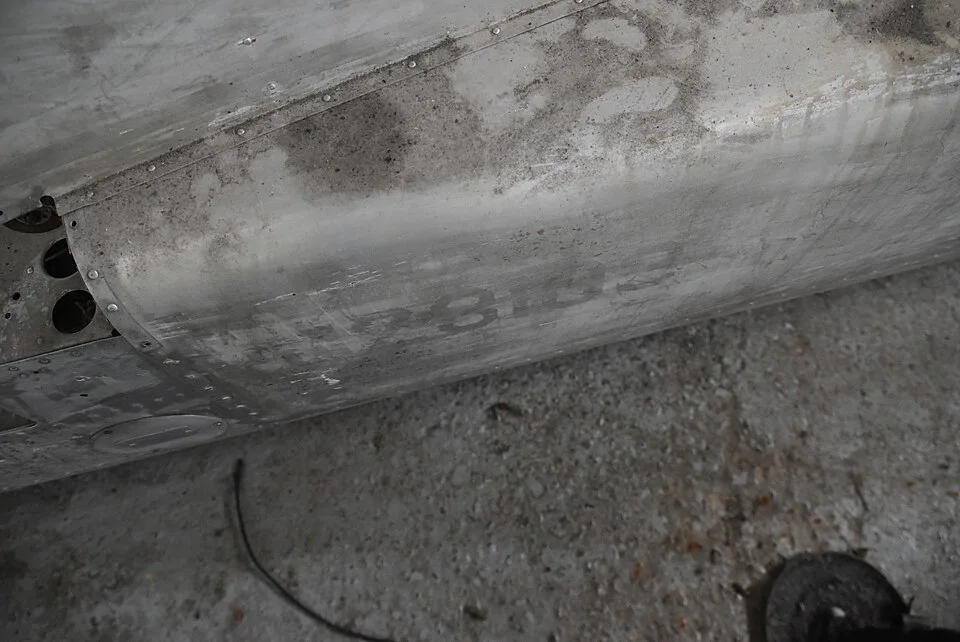
The retained KI-020 record lists 152 serials 15279406-15284080, A152 serials 0735-0919, F152 serials 01429-01798 and FA152 serials 0337-0372. Those abbreviated prefixes are shown as recorded. The entry points to AD 80-01-06 and describes a mechanical stop nut or approved replacement, rather than simply a recurring lubrication task.
An aircraft in an identified serial group still needs its own installation and maintenance evidence. A replacement actuator entry may be relevant, but its significance depends on identifying the assembly and connecting it to the applicable action. A seller's general statement that the flaps operate is a different kind of observation and does not document that history.
Keep cable-clamp research separate
A flap actuator is not the whole flap system. The AD 80-06-03 cable-clamp reference concerns another part of the installation and has its own serial applicability. An actuator repair should not be assumed to resolve that separate record. Conversely, a cable-clamp entry does not identify the condition of the jack screw or ball nut.

Preparing a focused inspection discussion
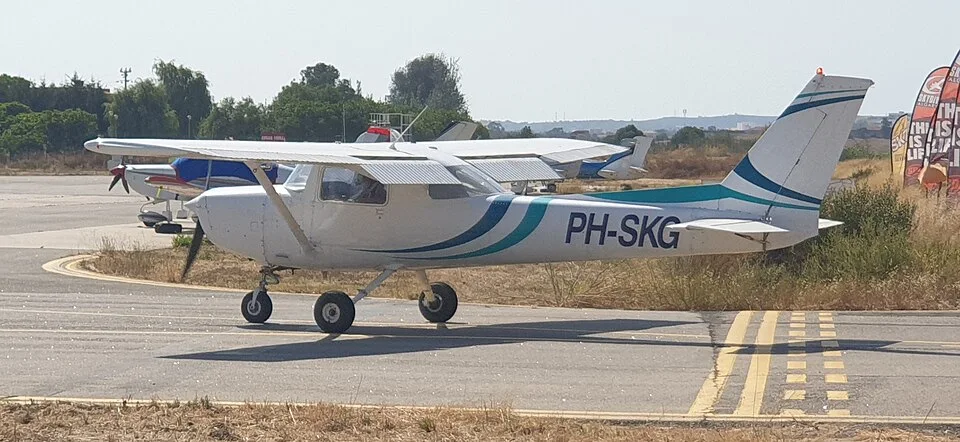
Collect the exact aircraft identity, available actuator identification, replacement entries and the AD references cited in the logs. Organize uncertainties by component: jack screw, ball-nut assembly, travel stop and cable installation. This lets the inspecting mechanic compare the records with the aircraft without being presented with an indiscriminate list of every family flap concern. The summaries here support that preparation; they are not inspection procedures, dimensional limits or a current regulatory-status determination.